
Santiago
Santiago sits in a bowl of tectonic drama, flanked by the colossal wall of the Andes to the east and the coastal range to the west.
Guests & rooms
The Santiago guide
An insider’s read on Santiago
SSantiago sits in a bowl of tectonic drama, flanked by the colossal wall of the Andes to the east and the coastal range to the west.
Founded in 1541 by Spanish conquistador Pedro de Valdivia on Mapuche territory, Santiago has been repeatedly leveled by earthquakes and rebuilt, resulting in a patchwork architectural identity. The city carries the heavy, visible scars of its 20th-century political turbulence, yet it has emerged as one of the most economically stable and modern metropolises in South America. Its character is earnest, hardworking, and increasingly cosmopolitan, driven by a culinary renaissance and a thriving contemporary art scene.

PLATE ISantiago, Chile

Guides & ideas
The Santiago reading list
Hand-written guides from our editors — itineraries, the best of after dark, where to eat, and what’s genuinely worth your time.
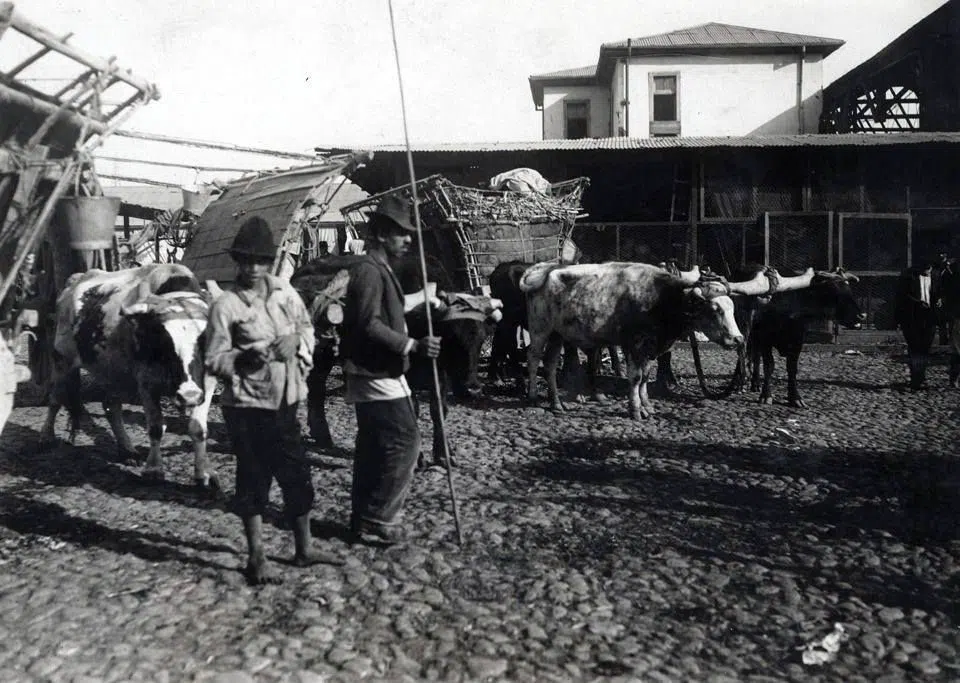
How Santiago Shops for Dinner, Market by Market
Wet tiles at La Vega before eleven, a Ñuñoa street feria at half past eight: this is where Santiago buys its food, with the days, hours and prices.
Where to Eat, Drink and Browse in Santiago's Barrio Italia
A slow, street-by-street plan for Barrio Italia: the courtyard bistros, the wine lists, the design arcades and the one tasting menu worth booking weeks out.
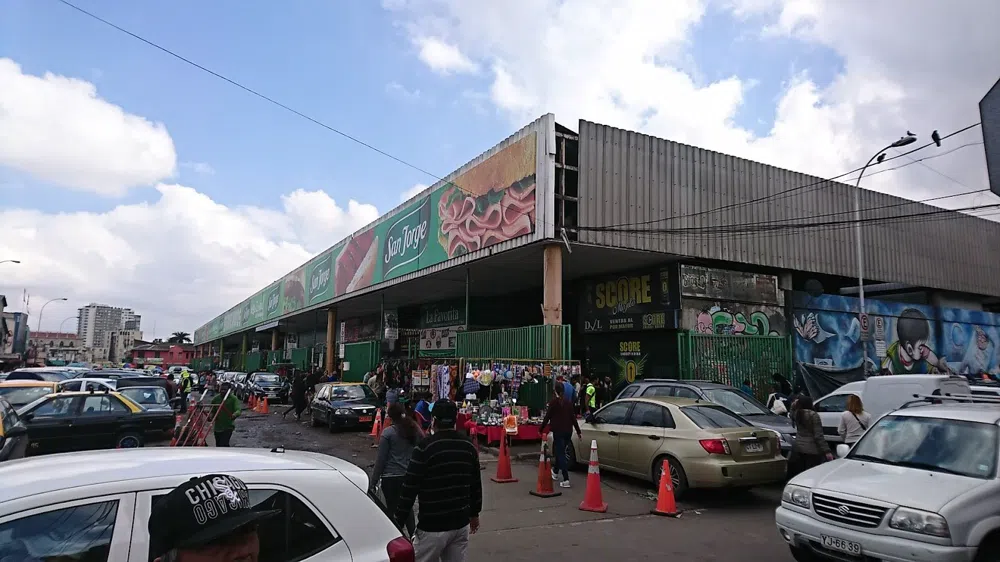
Ten Blocks of Santiago from La Vega to Mercado Central
A morning walk across the Mapocho that takes in Chile's biggest produce market, a Mapuche kitchen, the country's best empanada counter and a seafood hall full of touts, with prices, opening days and where to actually sit down.
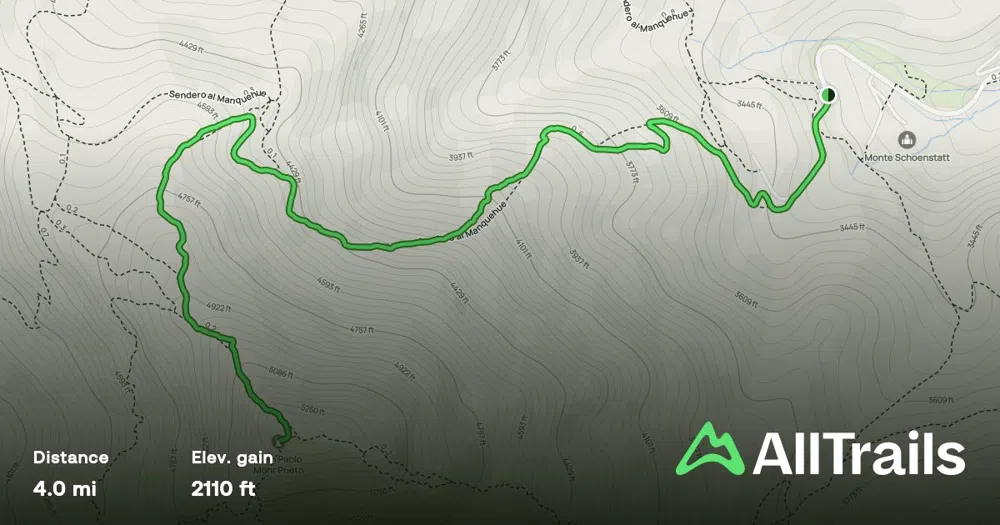
Where Santiago's Skyline Turns Into a Mountain Trail
A route-by-route guide to hikes from Santiago's rooftops into the Andes: a 90-minute sunset scramble up to a full-day glacier trek.
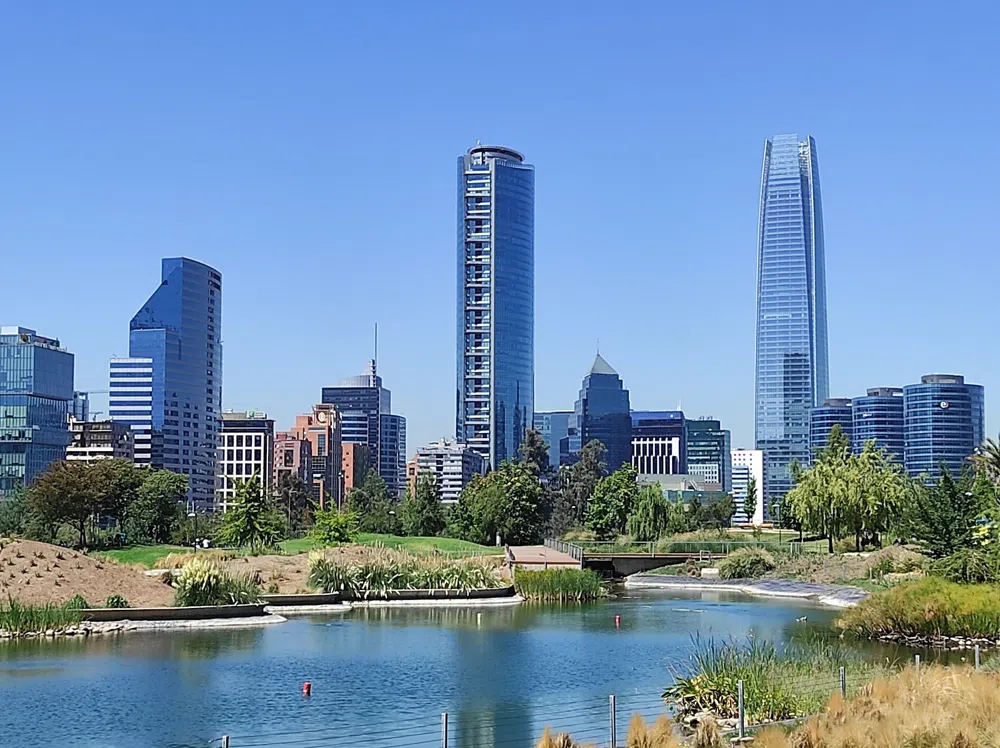
The Mapocho Trail: Santiago on Foot and by Bike
A river Santiago spent decades trying to hide turns out to be the best-organised walking and cycling route in the city, if you know which banks to follow.
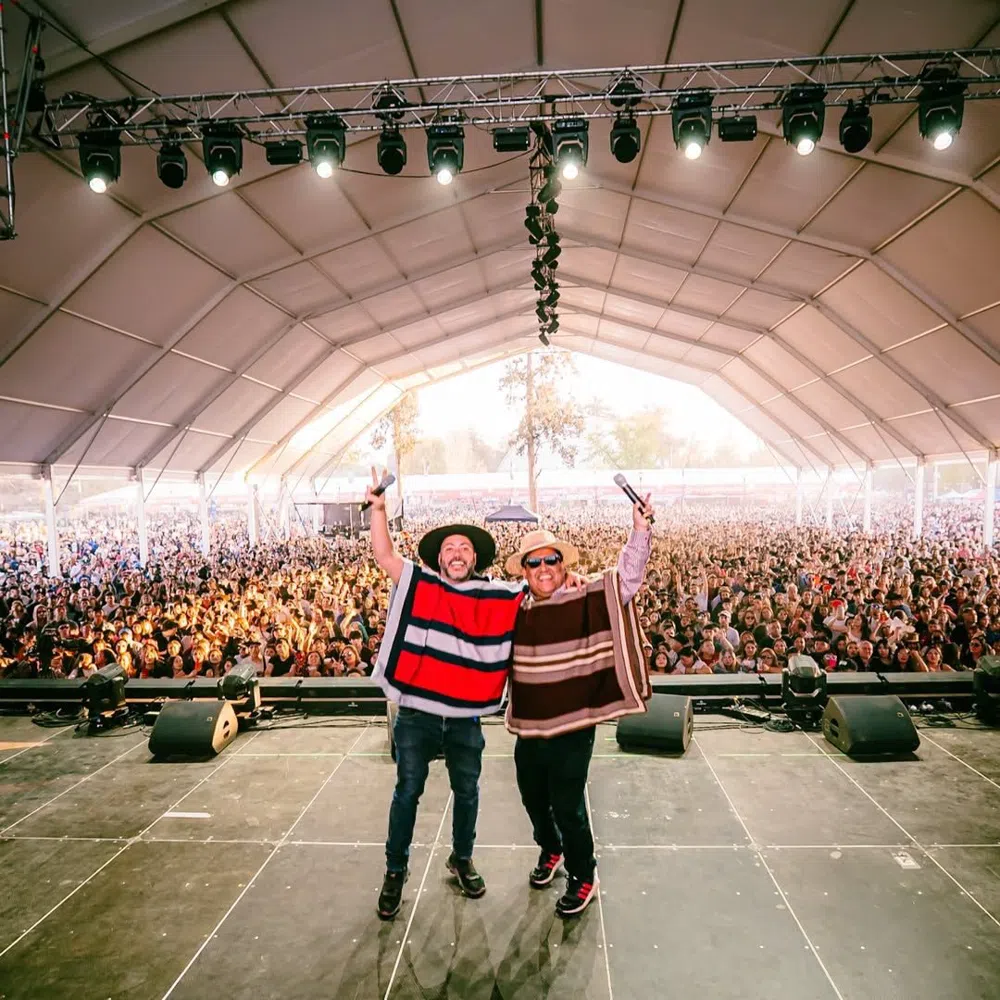
The Cueca, the Chino and Santiago's Fonda Season
Every September, Santiago trades its usual rhythm for chicha, terremotos and the stomp of cueca — here's a working route through the city's mega-fondas, barrio parties and the bars where the dance is still danced hard.
Where to base yourself
The neighborhoods
01
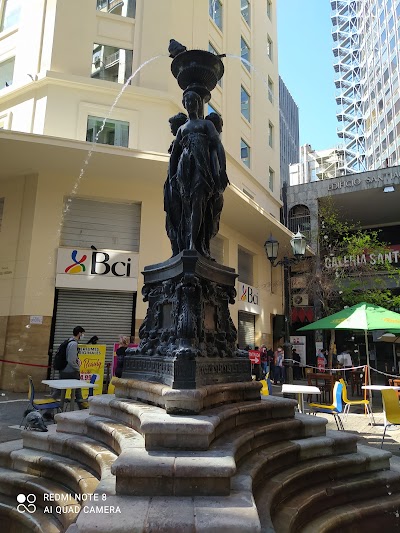
Santiago Centro
For History enthusiasts and those wanting to be near major museums, though it gets chaotic during the day and feels deserted and sketchy after dark.
The historic and political heart of the city, filled with neoclassical government buildings, pedestrian malls, and historic plazas.
Where to stay — Historic boutique properties or functional business hotels near the Santa Lucía metro station.
02
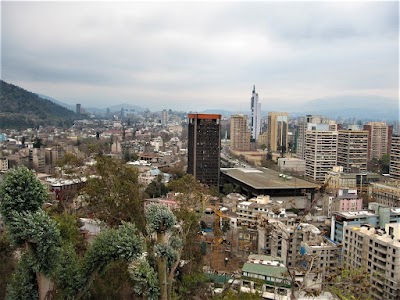
Barrio Lastarria
For Creatives, couples, and culture seekers who want a walkable base, though accommodation prices are higher here.
A compact, European-style pocket of winding streets, historic architecture, outdoor cafes, and independent bookstores.
Where to stay — Upscale boutique hotels housed in restored early 20th-century mansions.
03
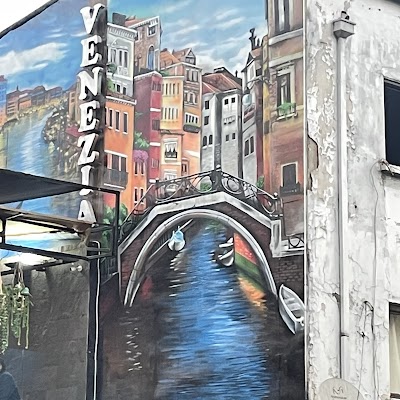
Barrio Bellavista
For Nightlife seekers and younger travelers, though it can get noisy, rowdy, and prone to petty crime late at night.
A bohemian enclave covered in colorful street art, packed with bars, restaurants, and artisan shops.
Where to stay — Design-forward mid-range hotels or lively backpacker hostels.
04
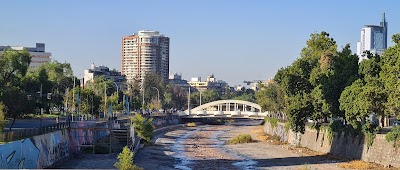
Providencia
For First-time visitors looking for a secure, highly functional base, though it lacks the historic character of the downtown core.
A safe, leafy, and sprawling commercial and residential district with excellent dining, shopping, and transport links.
Where to stay — Mid-range business hotels and stylish apartment rentals.
05
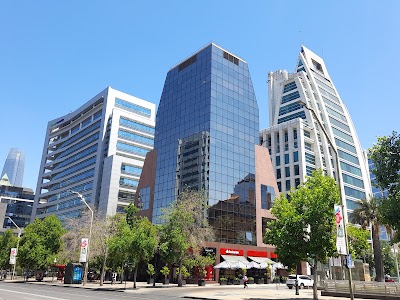
El Golf (Las Condes)
For Business travelers and luxury seekers who prioritize safety and modern amenities, though it feels sterile and quiet on weekends.
The sleek financial district, often called 'Sanhattan,' defined by modern skyscrapers, high-end corporate offices, and fine dining.
Where to stay — Five-star international luxury hotel chains.
06
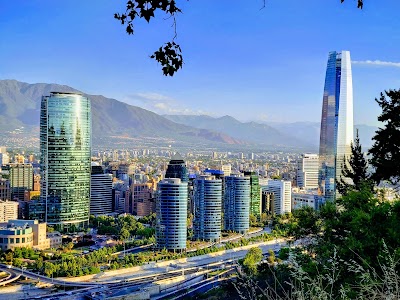
Vitacura
For High-end travelers and food lovers aiming to dine at the city's top-tier restaurants, though it lacks metro access and requires taxis.
An exclusive, wealthy residential neighborhood known for luxury shopping, art galleries, and expansive green parks.
Where to stay — Luxury design hotels overlooking the park.
07
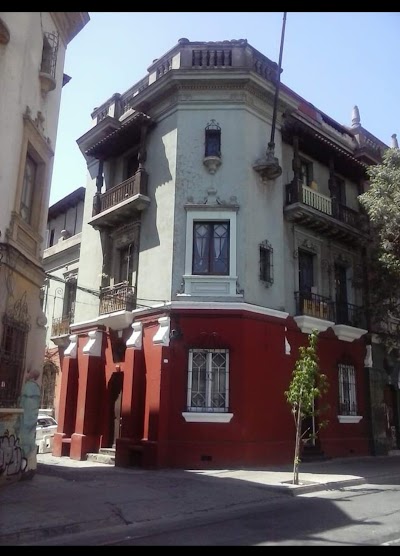
Barrio Brasil
For Budget travelers and those seeking an authentic, non-touristy local vibe, though some streets feel run-down.
A historic, slightly faded neighborhood characterized by grand 19th-century mansions, leafy plazas, and student life.
Where to stay — Budget guesthouses and historic hostels.
08
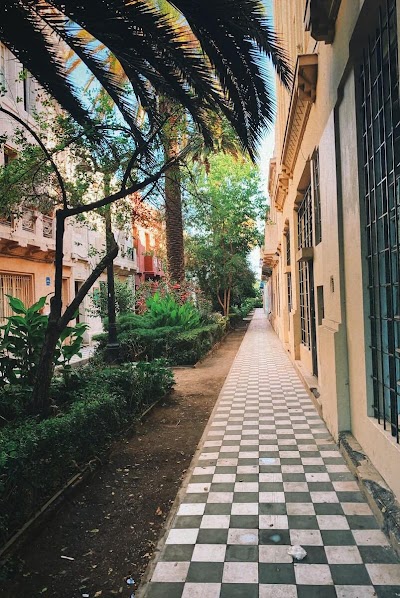
Barrio Yungay
For Alternative travelers interested in community activism and local history, though safety precautions are necessary at night.
Santiago's oldest planned neighborhood, filled with heritage architecture, community gardens, and cultural spaces.
Where to stay — Charming heritage bed-and-breakfasts.
09
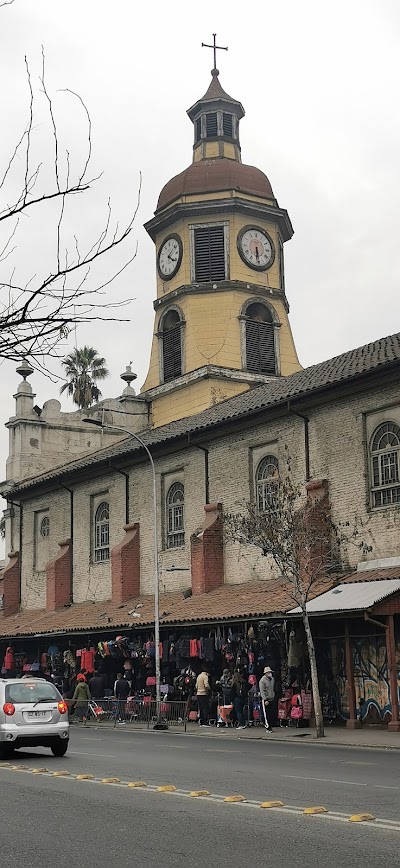
Patronato
For Bargain hunters and adventurous foodies seeking authentic global cuisines, though it is strictly a daytime destination.
A bustling, chaotic commercial district shaped by waves of Arab, Jewish, Korean, and Chinese immigration.
Where to stay — Not recommended for overnight stays; visit during the day from nearby Bellavista.
Book direct
Book a hotel in Santiago
Loading live availability and real-time prices…
Where to eat
Dining
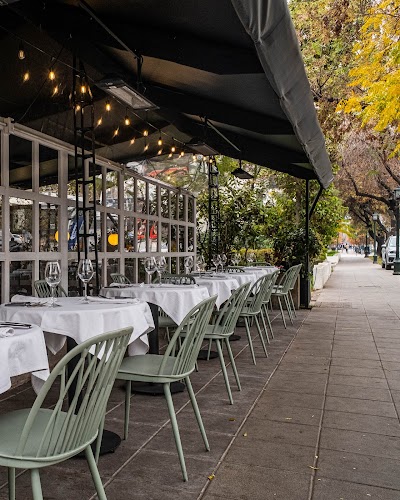
La Calma
€€€€Vitacura
Uncompromising focus on raw and minimally cooked seafood sourced directly from artisanal fishers.
Signature — Raw sea urchins (erizos) served in their shell with fresh salsa verde.
La Mar
€€€Vitacura
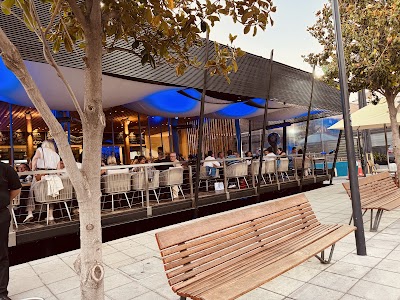
The Santiago outpost of Gastón Acurio's legendary brand, showcasing the close culinary ties between Chile and Peru.
Signature — Cebiche Criollo with fresh catch of the day and crispy calamari.

Miraolas
€€€Vitacura
A traditional Basque-influenced seafood institution favored by business executives and families.
Signature — Centolla (Patagonian king crab) served cold with house-made mayonnaise.
Rubaiyat
€€€€Vitacura
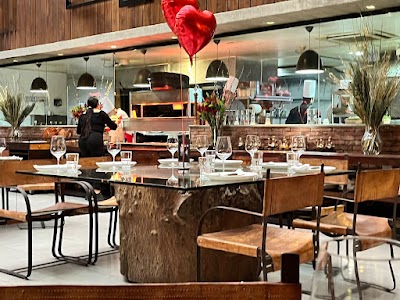
An upscale Brazilian-born brand featuring exceptional Kobe beef raised on their family ranch.
Signature — Baby Gold beef served with soufflé potatoes.
Happening
€€€Las Condes
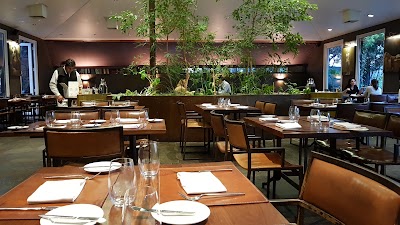
An elegant Argentine-style grill located in the heart of the financial district, ideal for business lunches.
Signature — Ojo de bife (ribeye) with chimichurri.
Peumayén Ancestral Food
€€€Bellavista
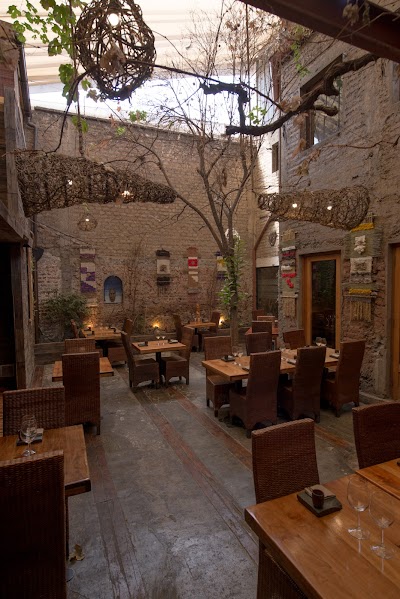
A culinary research project that translates pre-Hispanic indigenous recipes into modern, fine-dining plates.
Signature — The ancestral bread basket featuring native breads from Mapuche, Rapa Nui, and Aymara traditions.
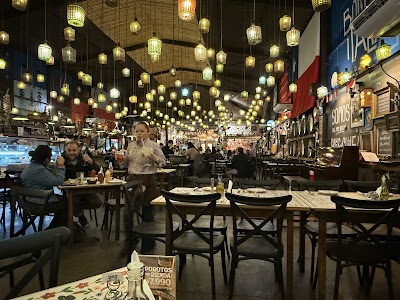
El Hoyo
€€Estación Central
A legendary, rough-around-the-edges tavern serving working-class Chilean classics since 1912.
Signature — Pernil (slow-cooked pork knuckle) paired with a Terremoto cocktail.
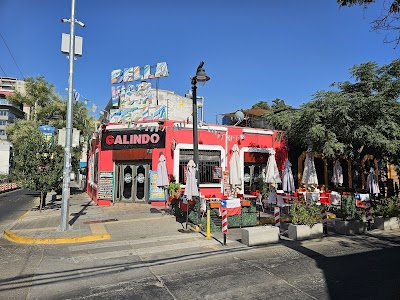
Galindo
€€Bellavista
A bustling, no-frills neighborhood institution known for generous portions of comforting home-style cooking.
Signature — Pastel de choclo (sweet corn and beef casserole baked in a clay bowl).
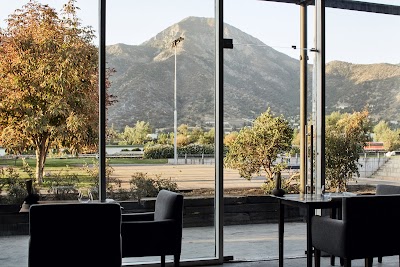
Boragó
€€€€Vitacura
Rodolfo Guzmán's globally acclaimed temple of endemic gastronomy, where every ingredient is wild-foraged from Chile's extreme landscapes.
Signature — The multi-course Endemic Tasting Menu, featuring items like rock-clinging algae and native halophytes.

040
€€€€Providencia
A highly creative, speakeasy-style restaurant offering molecular tapas hidden beneath a classic hotel.
Signature — The 12-course bite-sized tasting menu, which changes constantly based on seasonal availability.
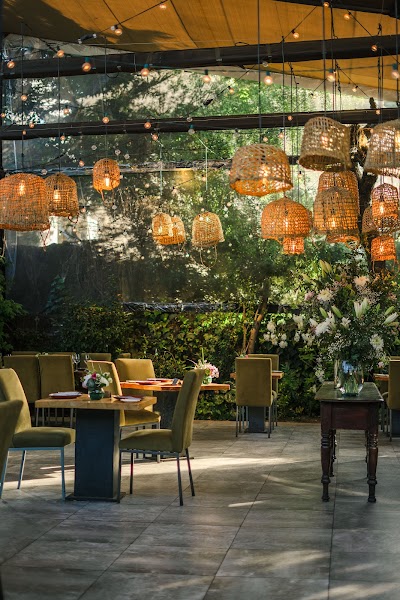
Ambrosía
€€€€Vitacura
Chef Carolina Bazán's market-to-table bistro, blending French culinary technique with fresh, seasonal Chilean ingredients.
Signature — Fresh homemade pasta tossed with local wild mushrooms and Chilean truffles.
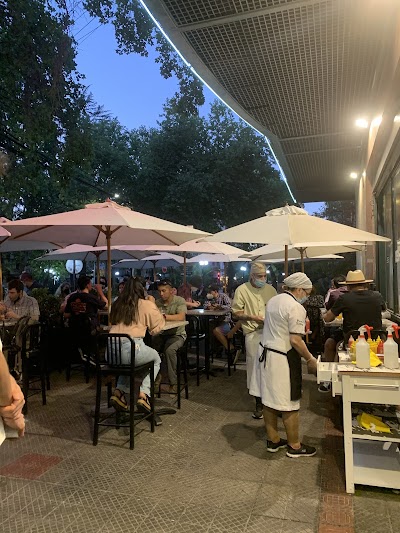
Fuente Alemana
€Providencia
An iconic, counter-only sandwich institution where skilled sandwich makers assemble massive pork creations with military precision.
Signature — The Lomito Completo (thinly sliced pork loin, sauerkraut, chopped tomatoes, and a mountain of homemade mayonnaise).
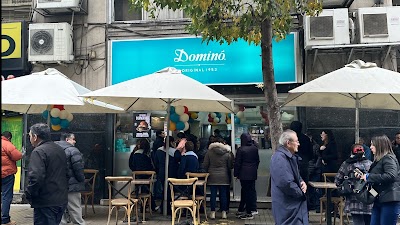
Dominó
€Santiago Centro
The classic downtown hot dog joint where businesspeople and students stand side-by-side at the counter.
Signature — The Completo Italiano (hot dog loaded with mashed avocado, chopped tomatoes, and heavy mayonnaise).
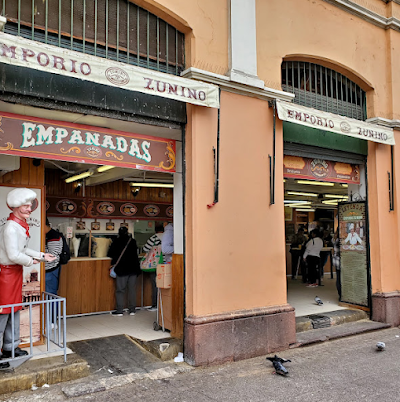
Empanadas Zunino
€Santiago Centro
The oldest empanada bakery in the city, serving hot, freshly baked pastries to a non-stop queue.
Signature — Empanada de pino (baked pastry filled with minced beef, onions, a black olive, a raisin, and a hard-boiled egg).
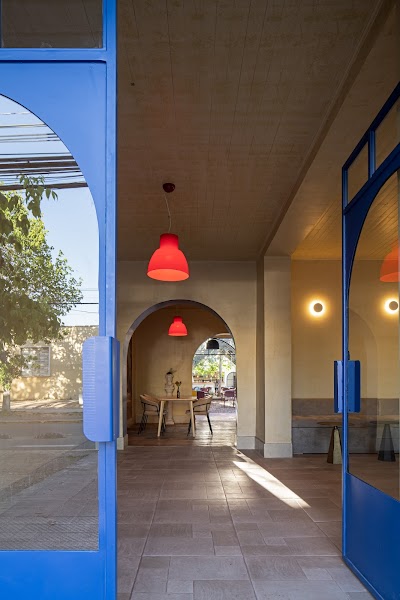
Verde Sazón
€€Providencia
An inventive vegetarian restaurant that focuses on bold, global flavors and creative presentations rather than meat substitutes.
Signature — The 'Pecado de Queso' (baked goat cheese with beetroot gnocchi and roasted nuts).
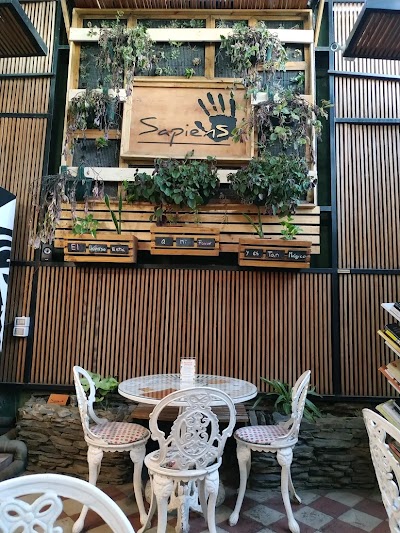
Sapiens
€€Barrio Italia
A bright, health-conscious cafe serving organic, plant-based bowls, wraps, and specialty coffees.
Signature — The Buddha Bowl featuring local quinoa, roasted sweet potatoes, kale, and house-made tahini dressing.
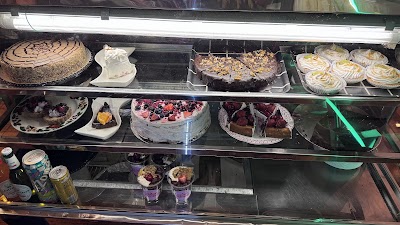
Vegan Bunker
€Barrio Italia
A cozy, activist-themed vegan bakery and cafe famous for its decadent plant-based cakes and pastries.
Signature — The vegan chocolate fudge cake paired with an oat milk latte.
After dark
Nightlife
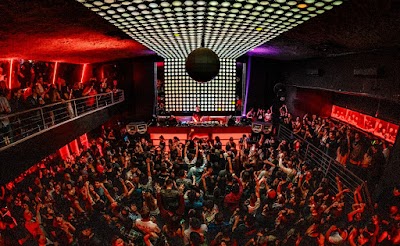
La Feria
Bellavista
A legendary, intimate electronic music venue featuring a state-of-the-art Funktion-One sound system and world-class international DJs.
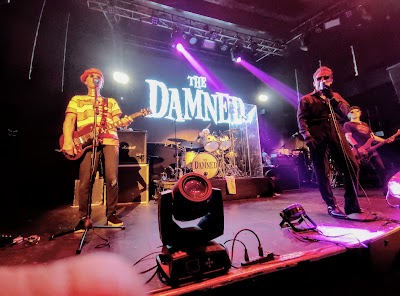
Blondie
Estación Central
An iconic alternative club located in an underground former cinema, serving as a sanctuary for alternative culture since the 1990s.
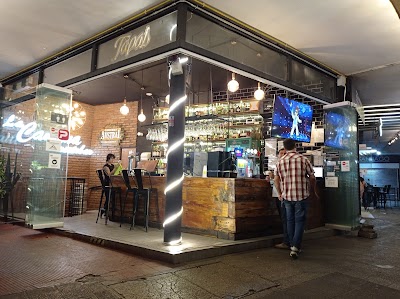
Club Subterráneo
Providencia
A popular multi-space basement club hosting a mix of live bands and DJ sets.
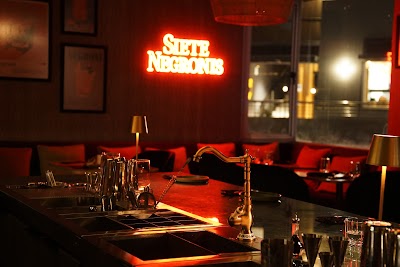
Siete Negronis
Providencia
Consistently ranked among the best bars in South America, featuring a massive backbar and highly skilled mixologists.
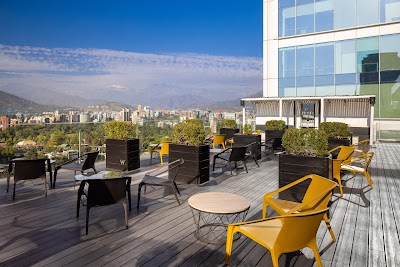
Red2One
Las Condes
The sleek rooftop bar located on the top floor of the W Hotel, offering panoramic views of the city skyline and the Andes.
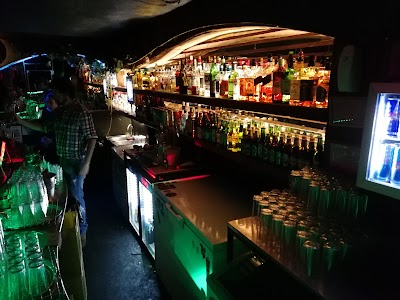
Bar El Clan
Bellavista
A legendary bohemian basement venue hosting a rotating lineup of local indie rock, cumbia, and folk bands.
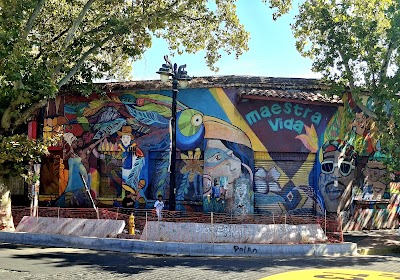
Maestra Vida
Bellavista
The city's premier salsa and Latin music institution, hosting live orchestras and dance workshops.
Art & history
Culture
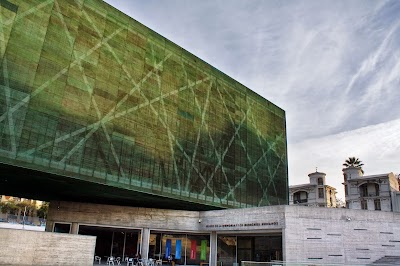
Museo de la Memoria y los Derechos Humanos
Barrio Yungay
A deeply moving, architecturally striking museum dedicated to documenting the human rights violations committed during the Pinochet dictatorship.
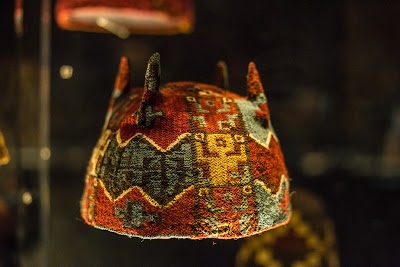
Museo Chileno de Arte Precolombino
Santiago Centro
One of the finest collections of indigenous art and textiles in South America, beautifully curated in a historic colonial building.
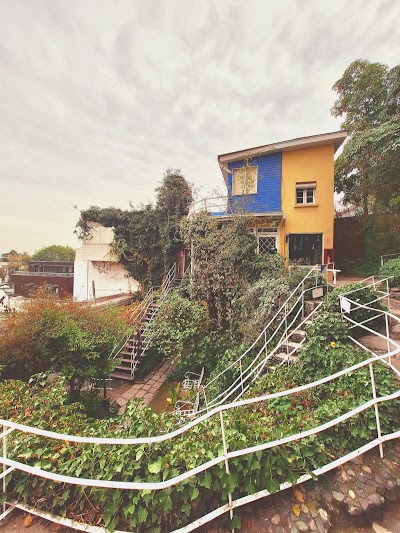
La Chascona
Bellavista
The whimsical, ship-like house built by Nobel laureate poet Pablo Neruda for his secret lover, Matilde Urrutia.
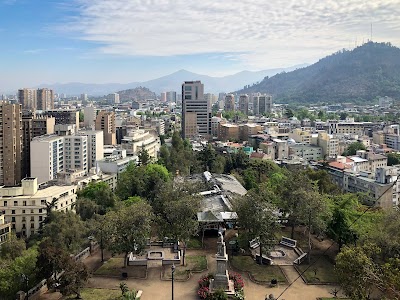
Cerro Santa Lucía
Santiago Centro
The ornate, castle-like hill where Pedro de Valdivia founded the city in 1541, featuring fountains, chapels, and panoramic viewpoints.
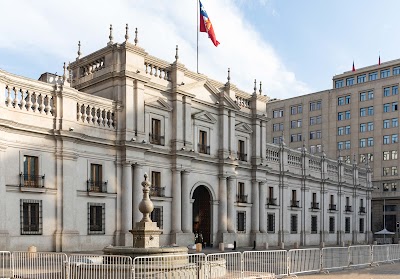
Palacio de La Moneda
Santiago Centro
The neoclassical presidential palace, famously bombed during the 1973 military coup.
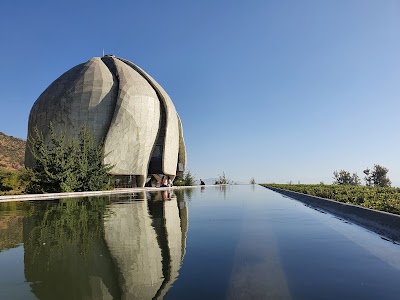
Templo Bahá'í de Sudamérica
Peñalolén
An architectural masterpiece made of translucent marble and glass, located in the Andean foothills with stunning sunset views over the valley.
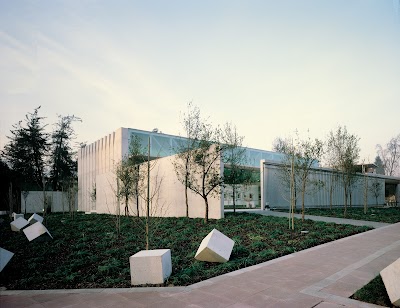
Galería Patricia Ready
Vitacura
A massive, light-filled architectural space that serves as the premier gallery for established and emerging contemporary artists in Chile.
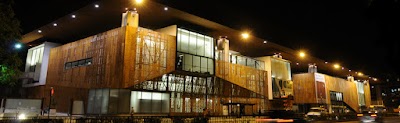
Centro Gabriela Mistral (GAM)
Lastarria
A monumental brutalist cultural center that incorporates public art installations, photography galleries, and performing arts spaces.
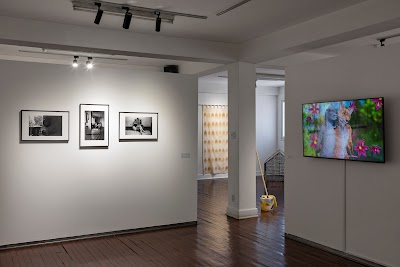
Factoría Santa Rosa
Franklin
An avant-garde art space housed in a historic former textile factory, located in the middle of a gritty weekend flea market.
Book ahead
Top-rated experiences in Santiago

Legacy Family Tour Lunch or Dinner Pairing 4 Strokes
from $40

More wine in Valle Casablanca from Santiago
from $89

From Santiago to the Andes: 4x4, horseback riding, waterfall visit and barbecue
from $300

Valparaíso & Casablanca : Wine, Heritage and local culture
from $390

City tour Santiago on electric scooter, nature and city
from $89

Rafting Adventure in the Maipo Cajon
from $35

Santiago Barrio Yungay Street Art Walking Tour Experience
from $50

Private San Cristobal Hill Mountain Bike Tour
from $139
Prices from Viator; we may earn a commission when you book — at no extra cost to you. Tours are sold and operated by Viator, the merchant of record. Ratings are collected by Viator and Tripadvisor.
Timing
When to visit
Spring
September to November brings pleasant temperatures, blooming jacarandas, and clear skies after winter rains, though September can be chaotic during the Fiestas Patrias national holidays.
Summer
December to February is hot, dry, and sunny. Many locals leave for the coast in February, making the city quiet but leaving some independent venues closed.
Autumn
March to May features cooler temperatures, golden foliage, and the grape harvest in the surrounding wine valleys.
Winter
June to August is cold and damp. This is the prime season for skiing in the nearby Andes, but thermal inversions trap smog in the valley, obscuring mountain views.
What it costs
Budgeting
Logistics
Getting around
From the airport
Official airport taxis and shared shuttles (Transvip) can be booked at counters inside the arrivals hall. Alternatively, Centropuerto and TurBus run frequent, inexpensive buses from the terminal to major metro stations like Los Héroes.
Public transit
The Metro de Santiago is clean, modern, safe, and highly efficient, spanning over a hundred stations. It is integrated with the Red bus system, forming a comprehensive transit network.
Passes & tickets
A rechargeable Bip! card is mandatory for all metro and bus travel. The card itself is inexpensive (€ band) and must be loaded with credit at station booths or machines before riding.
On foot
Individual neighborhoods like Lastarria, Providencia, and Centro are highly walkable, but the sheer scale of the city and the barrier of the Mapocho River make transit or taxis necessary for traveling between districts.
Travel smart
Safety & etiquette
Local etiquette
- •A 10% tip (propina) is standard in restaurants and is usually added to the bill as a voluntary 'propina sugerida'.
- •Avoid discussing the Pinochet dictatorship or sensitive political history unless your hosts bring it up first.
- •Always ask before taking photos of indigenous people or street vendors.
From the ground
Practical tips
1
Never hold your phone out near the street; thieves on motorbikes frequently snatch them directly from tourists' hands.
2
Always book your airport taxi inside the terminal building at official counters; ignore the unlicensed drivers soliciting in the arrivals hall.
3
Keep a light jacket or sweater with you even in summer, as temperatures drop rapidly once the sun sets behind the mountains.
4
Avoid eating inside the central hall of the Mercado Central, where prices are inflated and pushy hawkers gather; instead, eat at the smaller, authentic stalls on the outer edges.
5
Download the 'Red' transit app to plan your bus and metro routes in real-time.
6
If you plan to visit the Bahá'í Temple, book your free entry ticket online at least a week in advance, as walk-ins are rarely permitted.
Santiago FAQs
Is the tap water safe to drink in Santiago?
Yes, the tap water is perfectly safe to drink, though it has a high mineral content that some visitors find unpleasant to the taste.
Do I need to carry cash, or are credit cards widely accepted?
Credit and debit cards are accepted almost everywhere, even by street vendors, but it is useful to carry a small amount of cash for tipping and public transit.
Is English widely spoken in Santiago?
English is spoken in high-end hotels and major tourist restaurants, but basic Spanish is highly recommended for navigating public transit, markets, and smaller establishments.
How do I get to the ski resorts from the city?
Ski resorts like Valle Nevado and El Colorado are about 1.5 hours away and are best reached via specialized ski shuttle services that depart daily from Las Condes during the winter season.
Are earthquakes a major concern for travelers?
Chile is one of the most seismically active countries on earth, but its strict building codes mean modern structures are highly engineered to withstand major tremors. In the event of a tremor, remain calm and follow the instructions of locals.