The Santiago issue
Ten Blocks of Santiago from La Vega to Mercado Central
A morning walk across the Mapocho that takes in Chile's biggest produce market, a Mapuche kitchen, the country's best empanada counter and a seafood hall full of touts, with prices, opening days and where to actually sit down.

By Anaïs LefèvreMarket stalls, corner cafés and the dish worth crossing town for
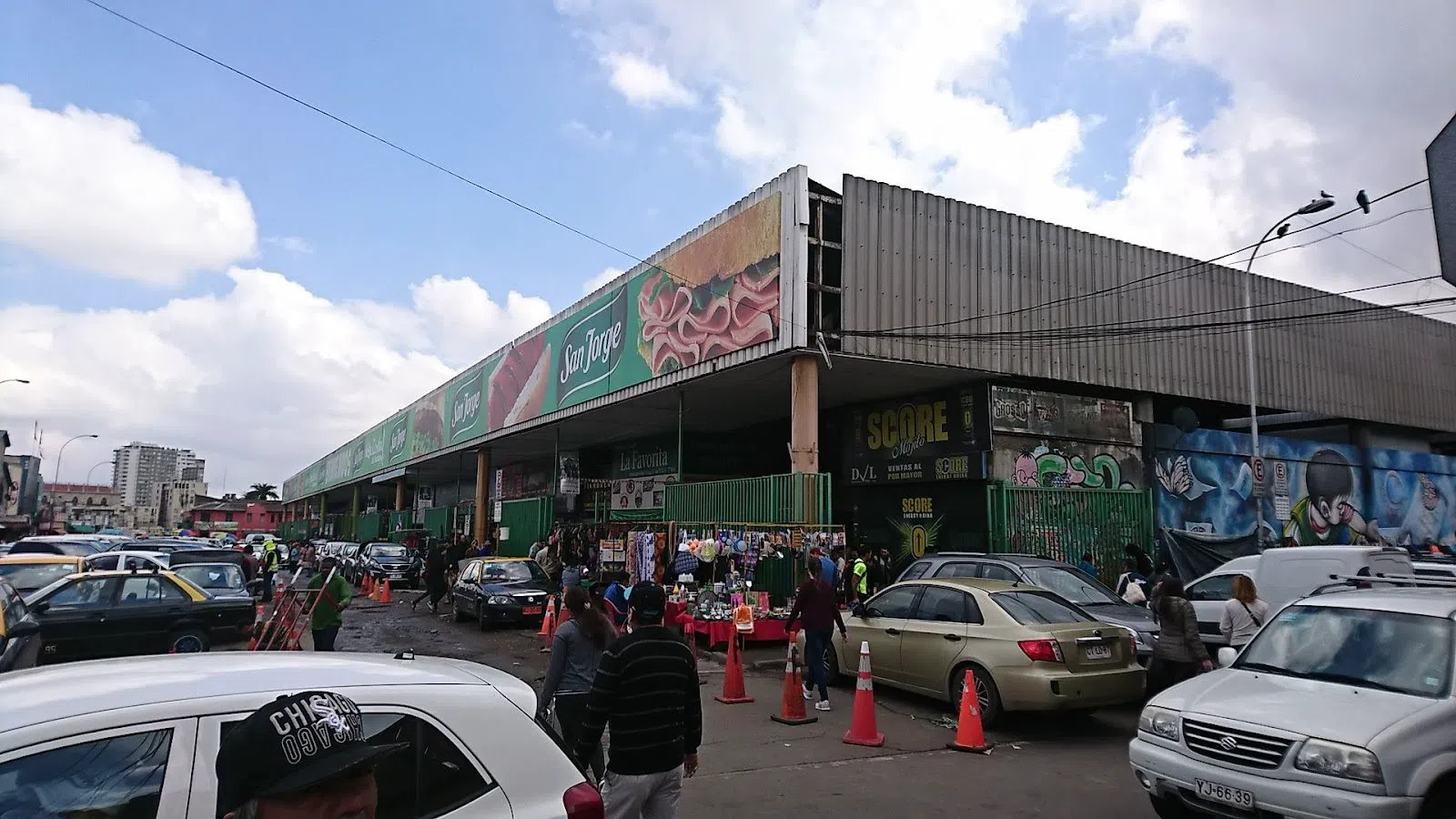
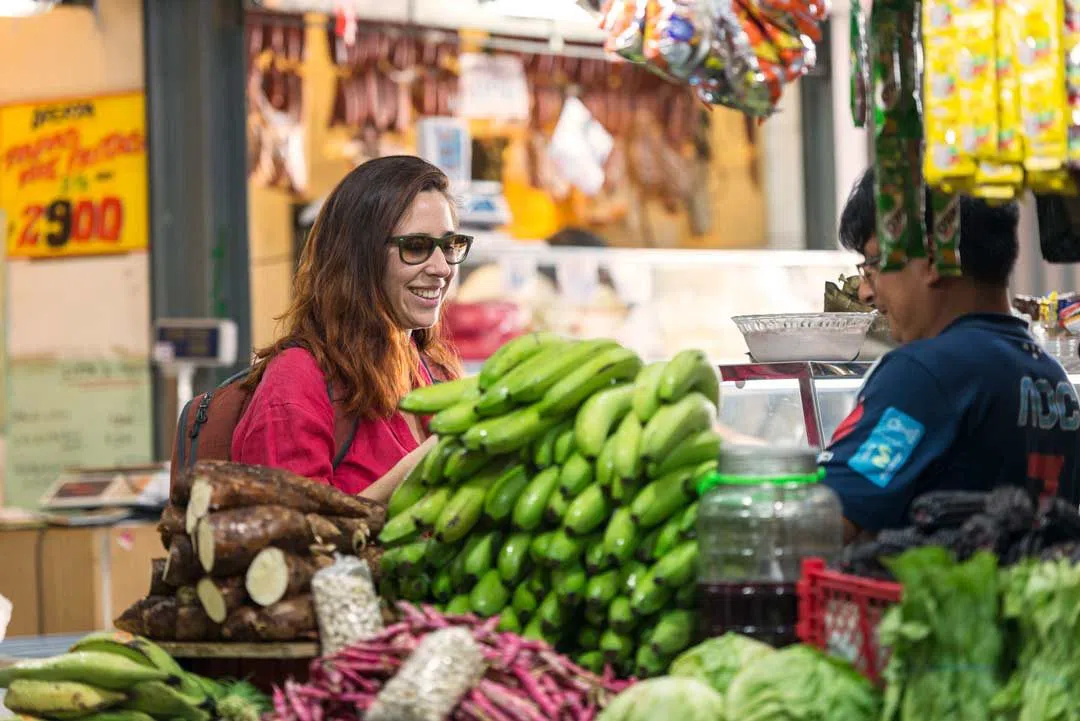
The Mapocho runs low and brown through the middle of Santiago, and the city's stomach sits on both banks of it. On the Recoleta side, the central-valley harvest arrives before dawn and is stacked into walls of tomatoes, choclo, palta and sacks of dried chilli; on the Santiago Centro side, the fish comes up from the coast overnight and lands under a nineteenth-century iron roof. Walk from one to the other and you have crossed the whole Chilean table in about ten blocks, for less money than a single restaurant dinner.
Start at La Vega Central before eleven
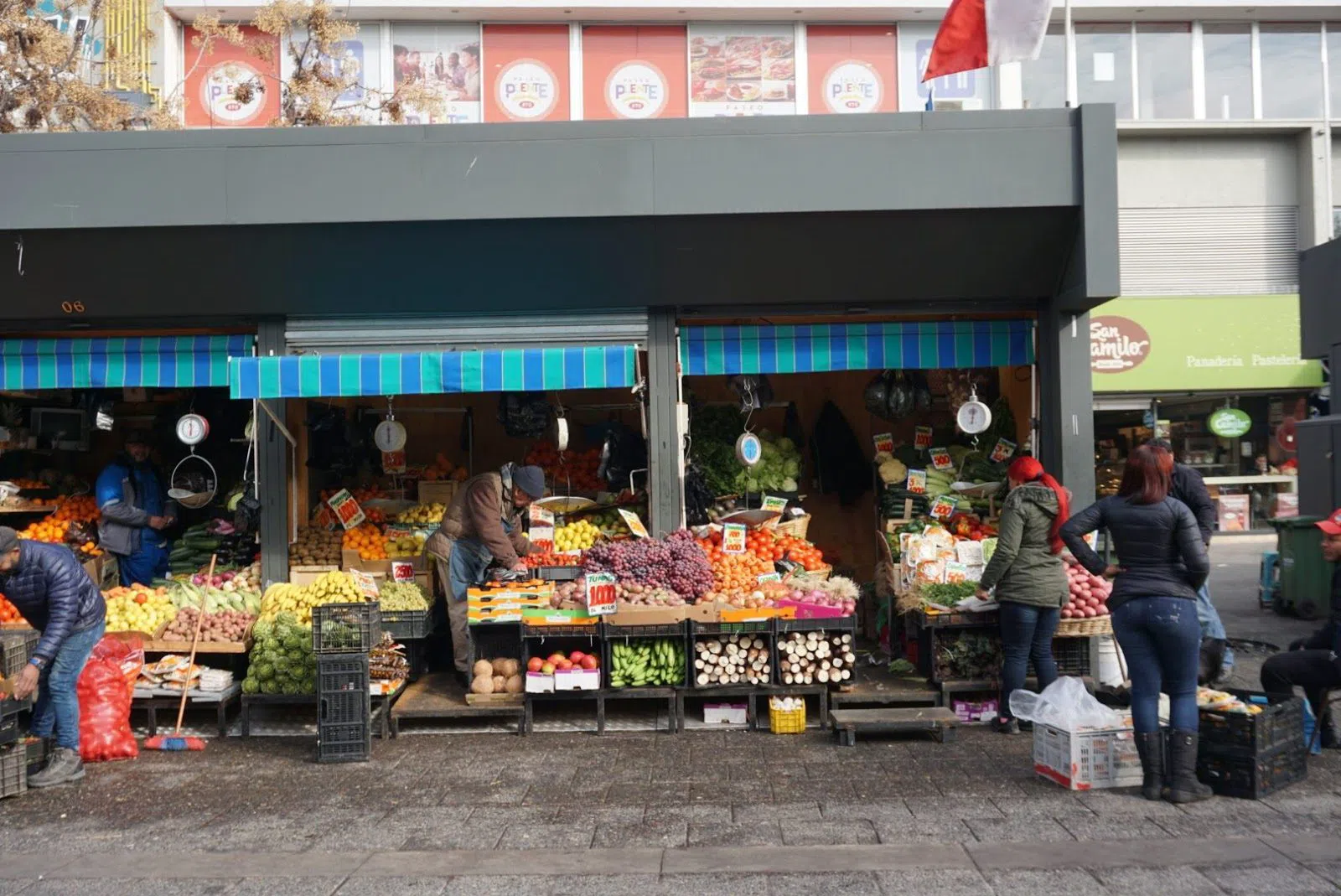
La Vega Central (Recoleta, north bank) is the anchor of the crawl and there is no gentle way into it. It is Chile's produce market: open daily from roughly 6am to 7pm, free to enter, no door policy and no ceremony. By late morning the aisles are one moving body of porters, hand trucks and women with wheeled shopping trolleys who will not stop for you. Go before eleven. After that the crush stops being atmospheric and becomes a logistics problem, and you will spend your visit apologising to a man carrying forty kilos of onions on his shoulder.
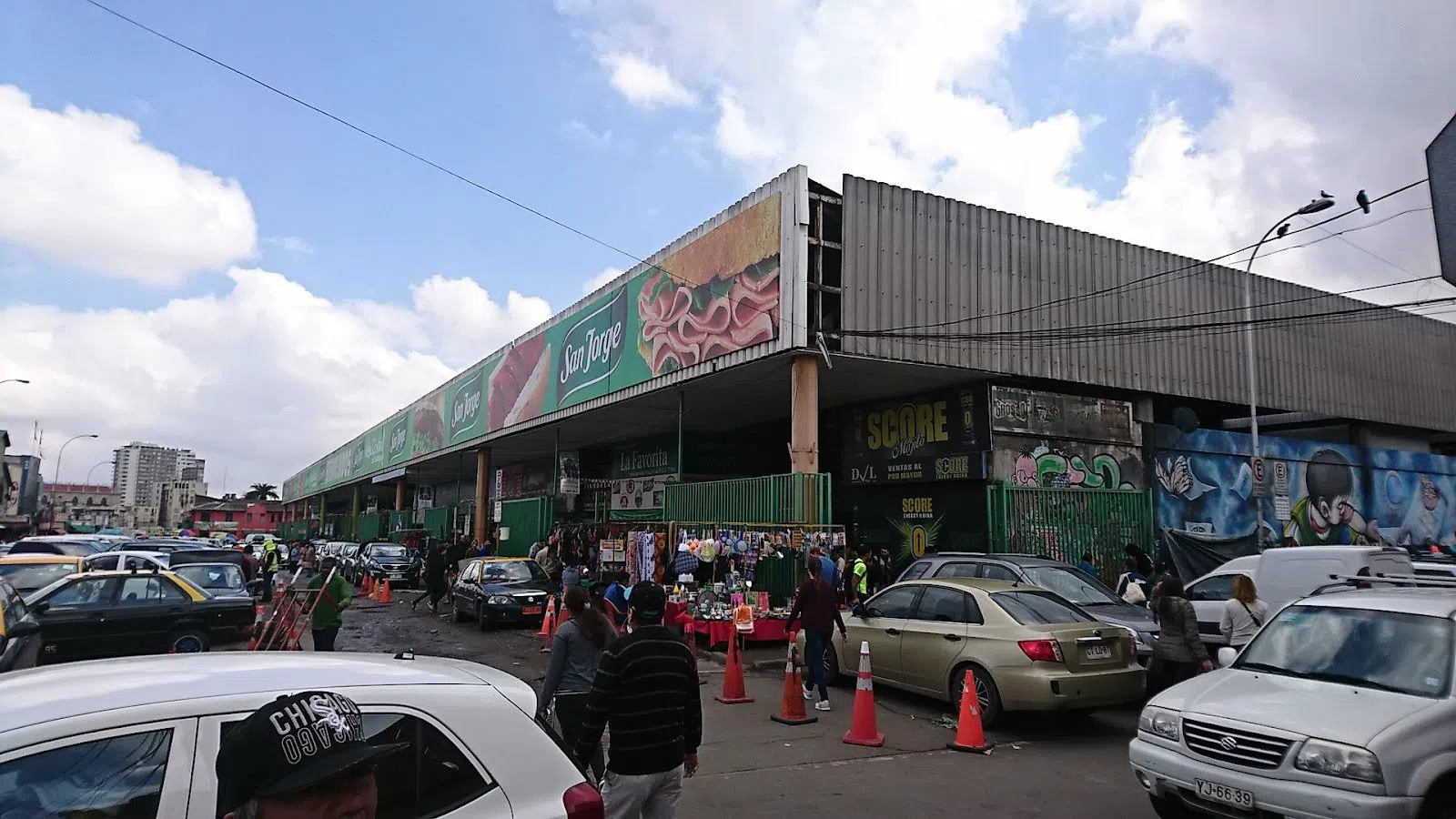
Most produce sits in the CLP 1,000–3,000 per kilo band, which is disorienting the first time: a kilo of tomatoes costs less than a coffee. Buy small. A handful of peaches, a bag of dried merkén, one of the garlic braids hanging from a hook. Sellers weigh in kilos and expect small notes, so break a CLP 20,000 somewhere before you arrive. Nobody at 9am wants to unpick a large note for a CLP 1,200 sale.
Two pieces of practical discipline. Keep your bag in front of you, strap across the body, phone in a pocket rather than in your hand while you walk. And if you are more than two, move single-file; the aisles are the width of two people and a crate, and a group standing four abreast blocks the working traffic of a market that is, first and last, a wholesale operation that tolerates visitors.
Plan your Santiago trip
Live prices from our booking partners.
Free cancellation on many rooms. We may earn a commission when you book.
The cheap lunch is across the way at La Vega Chica
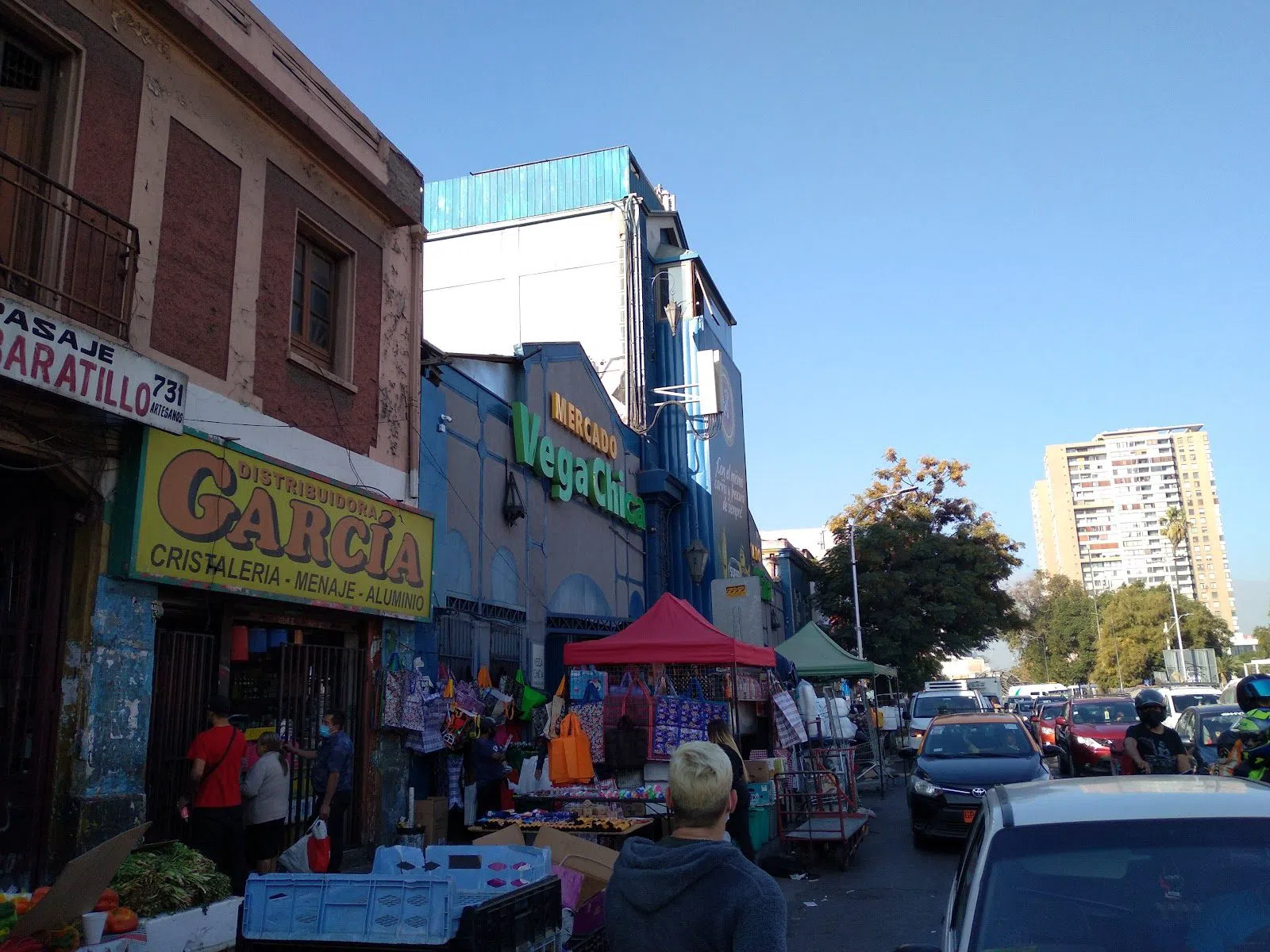
La Vega Chica (Recoleta) is a separate market directly opposite, and it is where the crawl earns its keep. The cocinerías are counters, six to ten stools each, no reservations, no menus beyond a laminated card or a whiteboard. A full set lunch (soup or salad, a main, sometimes a jug of watery juice) runs CLP 4,000–8,000.
Order cazuela if it is on. It arrives as a wide bowl of clear broth with a piece of beef still on the bone, a wedge of pumpkin gone soft at the edges, a whole potato and a spill of rice; the broth tastes of oregano, long simmering and very little else, which is the point. Porotos con riendas is the other one to know: cranberry beans stewed with squash until the whole thing collapses into a sweet, thick paste, with short lengths of spaghetti through it standing in for the reins of the name. Pastel de choclo comes in a black clay dish, ground corn baked over spiced beef and chicken with a burnt-sugar crust on top; eat it with the spoon, not a fork. Several counters here cook Peruvian, and their ají de gallina is a fair alternative if you want chilli and peanut instead of pumpkin.
Four or more of you will not fit at one counter. Split across two and meet on the other side; the cooks would rather serve two pairs quickly than hold a bench for a party.
Tirso de Molina if the Vega feels like too much
Mercado Tirso de Molina (Recoleta, riverside) is the best-organised of the three river-bank markets, and the easiest first stop for anyone who finds the Vega's crush too much on arrival. Ground floor is fruit and veg; the second-floor gallery is the eating, with Chilean, Peruvian, Colombian and Venezuelan kitchens side by side and lunches at CLP 5,000–9,000. Entry is free.
It is also the group answer. The shared tables upstairs are longer than anything at La Vega Chica, so six or eight people can sit together without breaking into shifts, and the aisles are wide enough that you are not permanently in someone's way. If you are travelling with anyone nervous, elderly or small, start here and work backwards into the Vega afterwards.
Aurora Luncumilla's kitchen and the wheat coffee
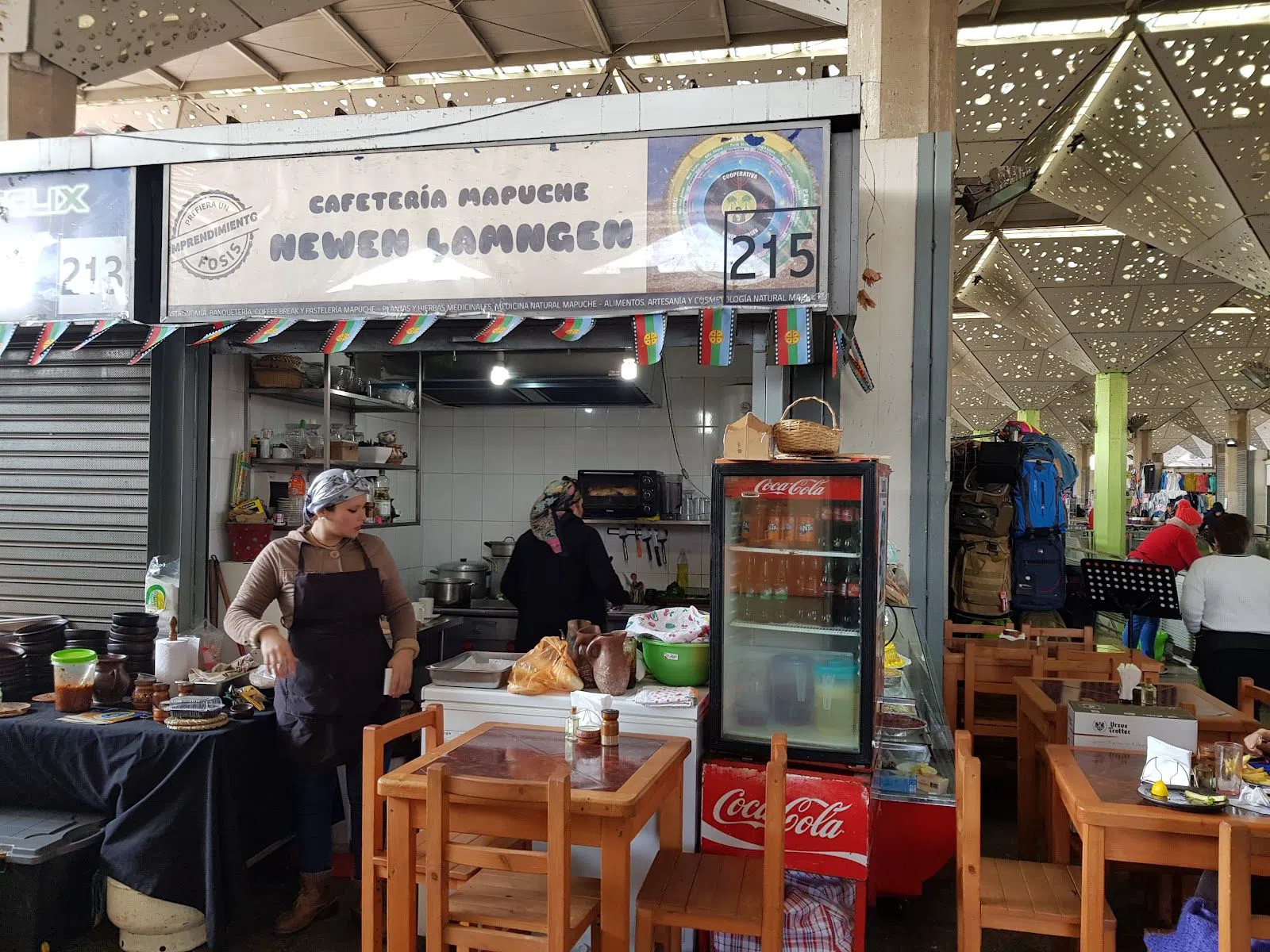
Newen Lamngen (Recoleta) is Santiago's first Mapuche café, run by Aurora Luncumilla and her daughters, and it is the one stop that should dictate which day you walk this route: it opens Thursday to Monday from around 10am, so a Tuesday or Wednesday crawl misses it entirely.
The daily menu runs CLP 5,000–9,000. Drink the café de trigo: toasted wheat rather than coffee bean, no caffeine, a flavour somewhere between malt loaf and burnt toast, and better than that sounds. The pebre comes spiked with merkén, the smoked dried ají that gives Chilean cooking its low, woody heat rather than a sharp one. The tortilla al rescoldo is bread baked directly in hot ash, dense and chewy with a faint mineral smell at the crust. Nothing here is dressed up for visitors; it is a small family kitchen serving what a Mapuche household eats.
It is also tiny, a handful of seats. Two people will get in. More than four should come either side of the lunch rush, or eat in shifts and take turns standing outside. Turning up as a party of eight at 1pm is simply rude.
Flowers at the Pérgola and twenty minutes in Patronato
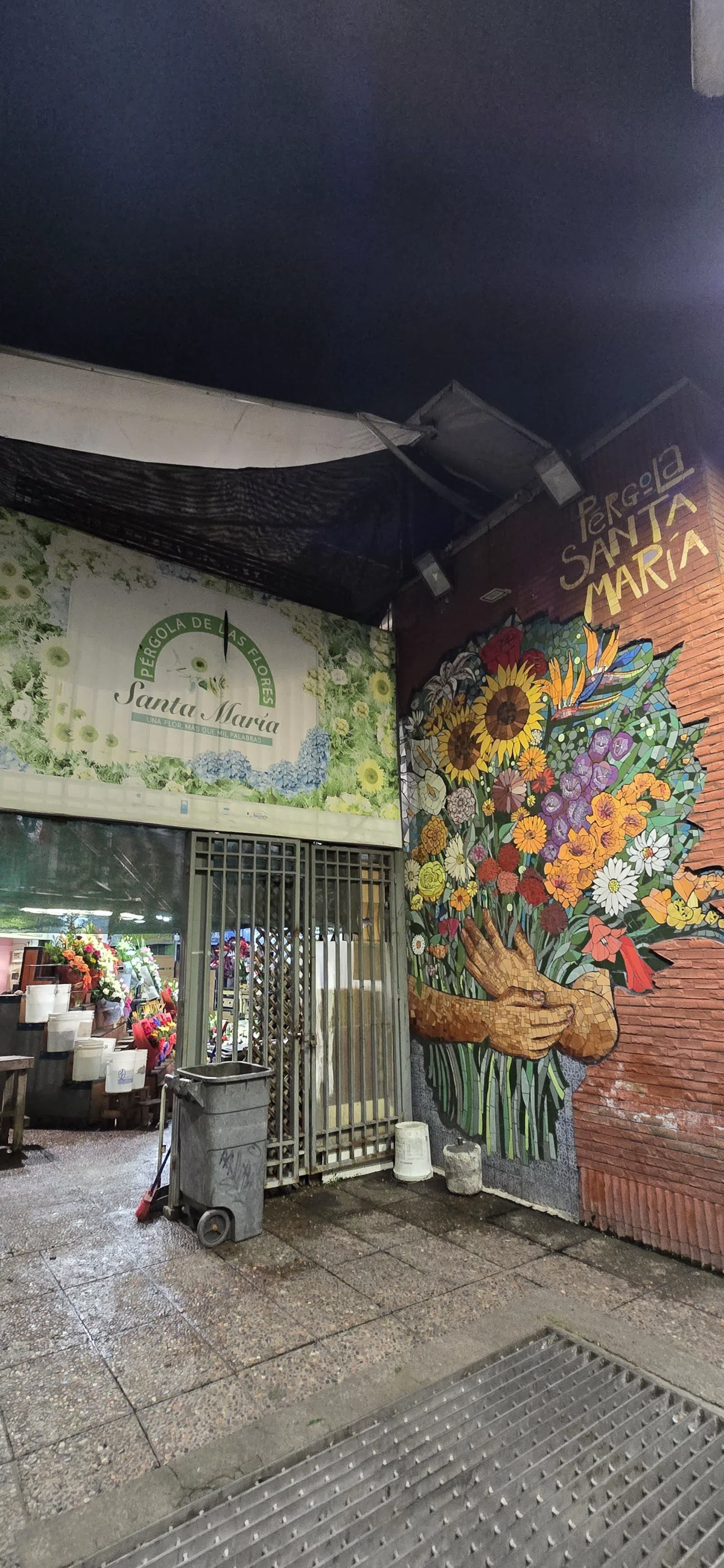
Pérgola de las Flores Santa María (Recoleta, riverside) has been selling flowers since 1939 and was immortalised in Chile's most famous musical, which is why Chileans smile when you say you went. It is a two-minute detour on the way to the river crossing: banks of lilies, gladioli and carnations under a low roof, bouquets from about CLP 5,000, and the best photograph on the whole route because of what the light does coming through the plastic sheeting. The aisles are narrow, so keep your group tight and out of the sellers' way.
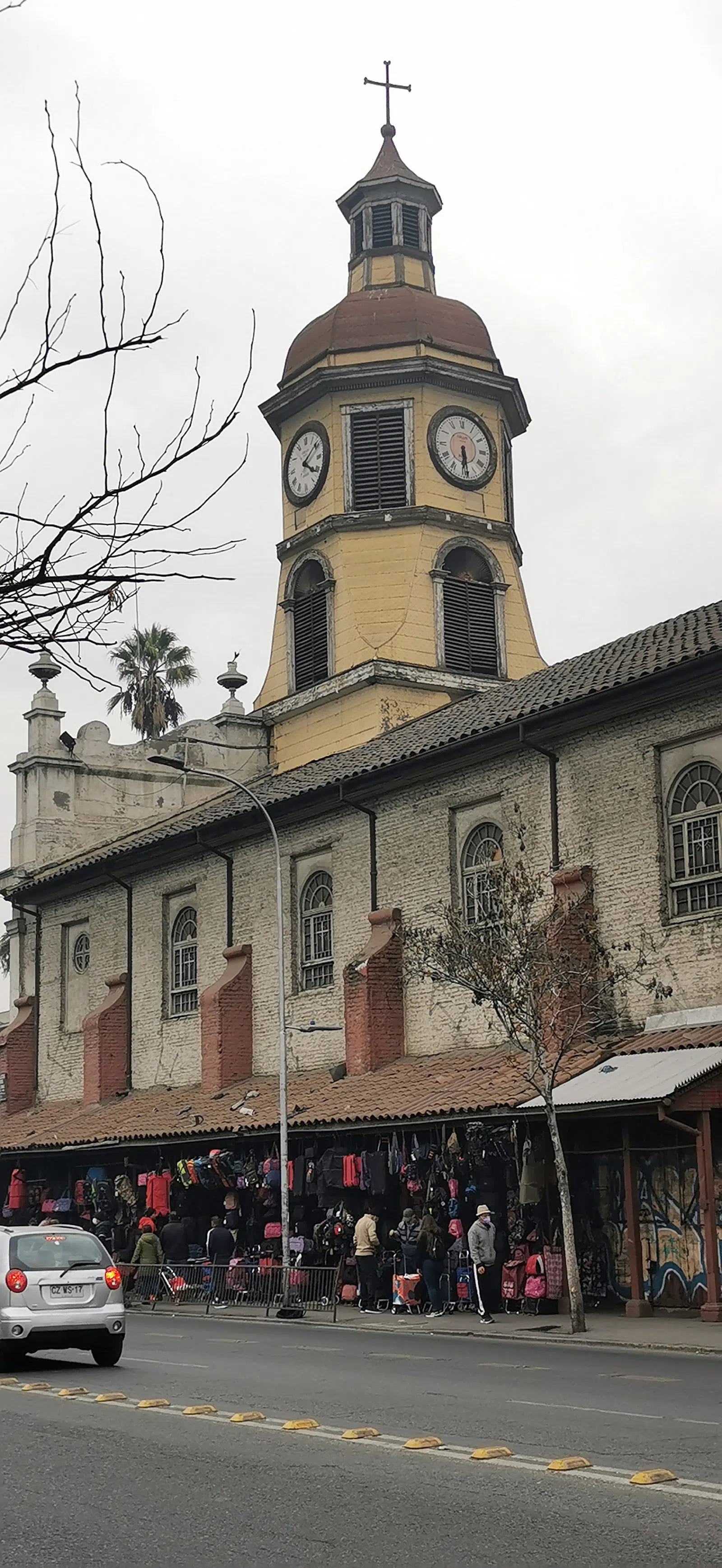
Barrio Patronato (Recoleta) sits immediately behind the Vega and deserves twenty minutes even if you have no intention of buying clothes. It is the Palestinian, Korean and Chilean textile quarter, wholesale-to-retail, most items CLP 5,000–20,000, bargaining entirely normal. Go for the food: the shawarma counters here are the reason locals cross the river, and the street snacks between the shopfronts are better value than anything you will be sold at the Mercado Central doors. The shops are small and the street is a street, so a group will drift apart rather than move as one. Agree a corner to regroup at before you go in.
Cross the river to the Mercado Central
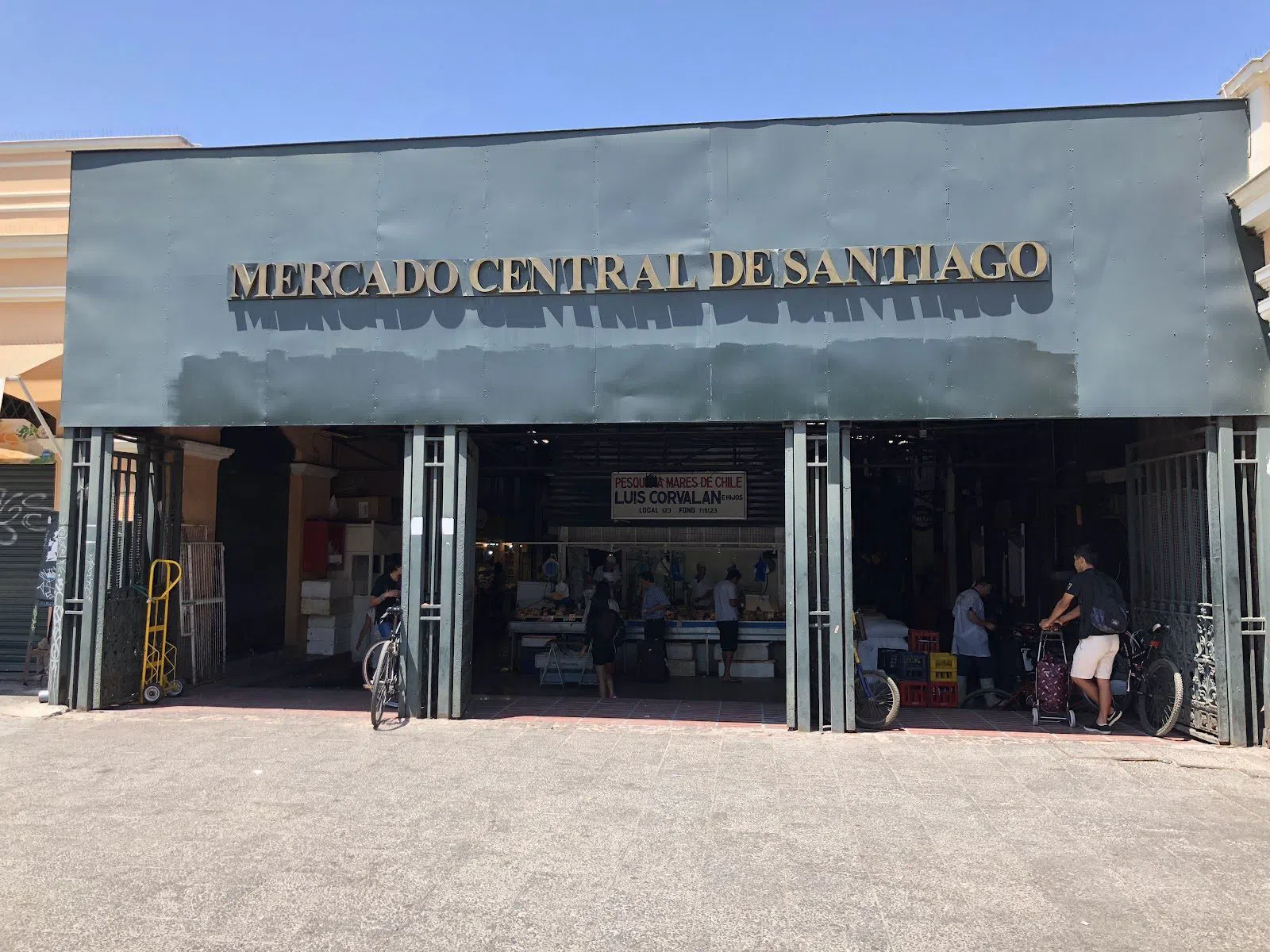
Mercado Central de Santiago (Santiago Centro, south bank) is a declared national monument with roughly 240 traders under a wrought-iron canopy, and the fish counters are the reason to walk through: congrio laid out long and grey, reineta fillets, machas in their split shells, sea urchin sold by the tray, picorocos looking like something dredged off a wreck. Entry is free.
The warning is the same one every Santiaguino gives. The touts at the perimeter arches are paid to fill tables, they work hardest on large parties, and whoever grabs your arm first is not taking you to the best kitchen; they are taking you to the one paying them. Walk past all of it, into the middle, and choose a restaurant by name. Sit-down mains across the market run CLP 12,000–25,000.
Three tables inside the market worth taking
Donde Augusto is the best-known kitchen in the building, run by Augusto Vásquez and Gladis Carrás, open daily 9:00–17:30, CLP 15,000–30,000 a head. It is touristy and makes no secret of it, but the caldillo de congrio, conger eel in a broth of onion, potato and white wine, is the real version, and the chupe de jaiba arrives bubbling in its dish, crab folded through bread-thickened cream until it is almost too rich to finish. It takes reservations and handles large tables better than anywhere else in the hall, so it is the default for eight or more.
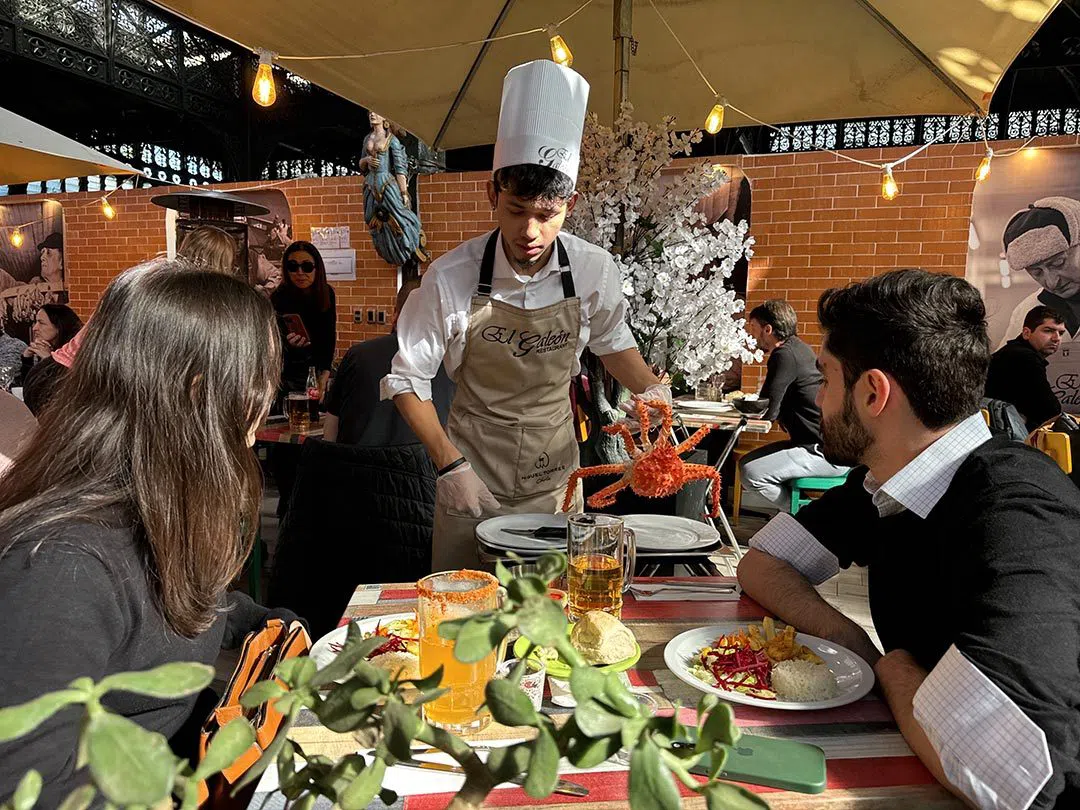
El Galeón has two rooms seating over 400 between them, has been family-run since 1935, takes bookings and charges CLP 15,000–35,000 a head. Its real advantage is the street door: it is the only Mercado Central restaurant that stays open for dinner, to around 10pm, when the market itself has shut at five. If your day slipped, this is where it lands.
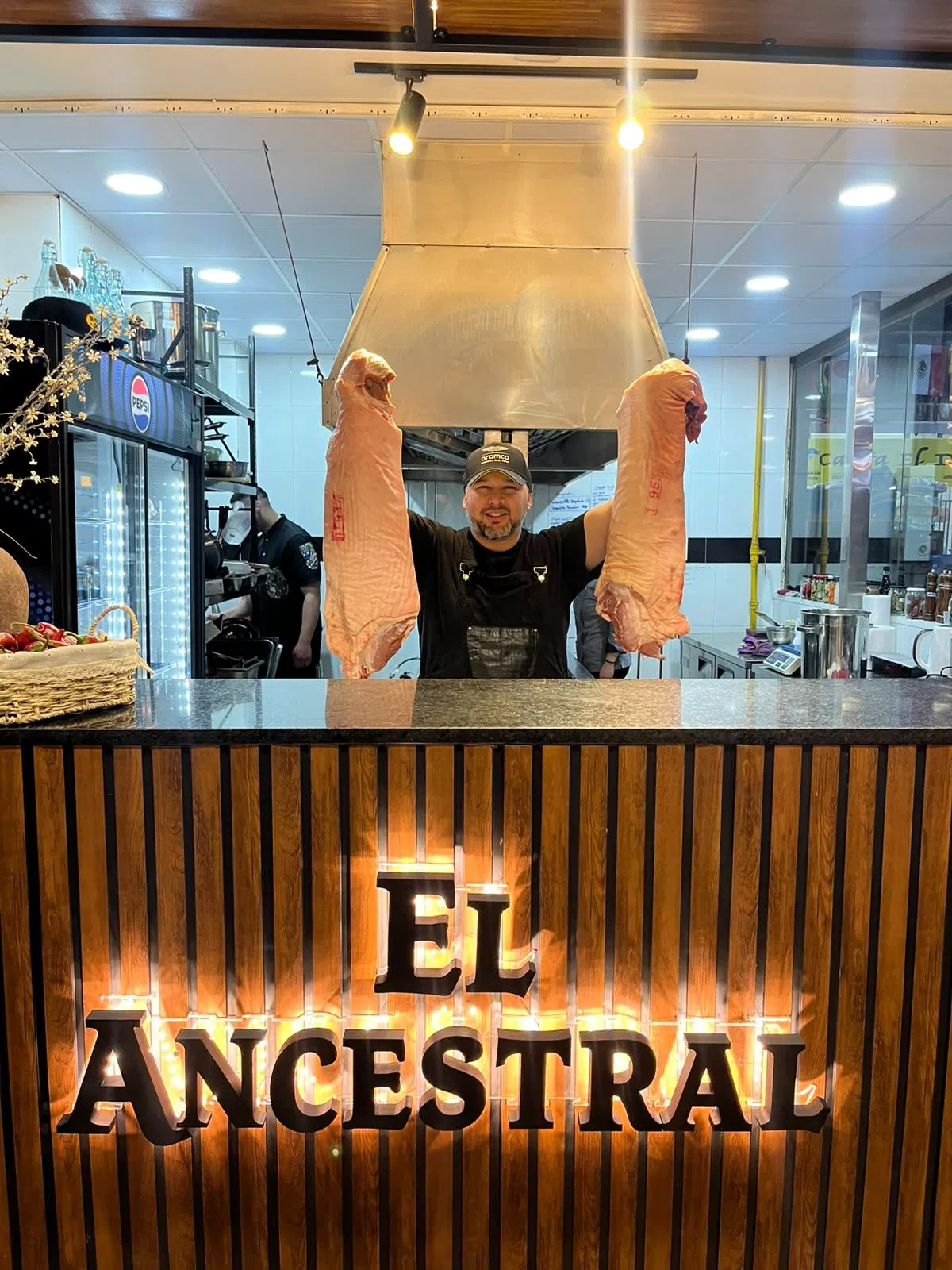
El Ancestral opened in August 2026 under Bastián Gutiérrez, who spent fifteen years at Salvador Cocina y Café, and it is the reason to give the Mercado Central a second look instead of writing it off as a tourist room. Dishes run CLP 7,500–16,000, there is capacity for over 100 across four rooms, and the mezzanine is the part to book ahead if you are a group. The cooking is serious and the shopping list behind it is the market's own.
The empanada comes before lunch, not after
Emporio Zunino (Santiago Centro, at the market's edge) has been baking since 1930, founded by the Zunino brothers, Ligurian immigrants, and it remains the benchmark empanada de pino in the city. CLP 2,500–4,000 each. It is counter service and standing room only: you buy, you step onto the pavement, you eat it holding the paper under your chin, and any size of group works because nobody sits down.
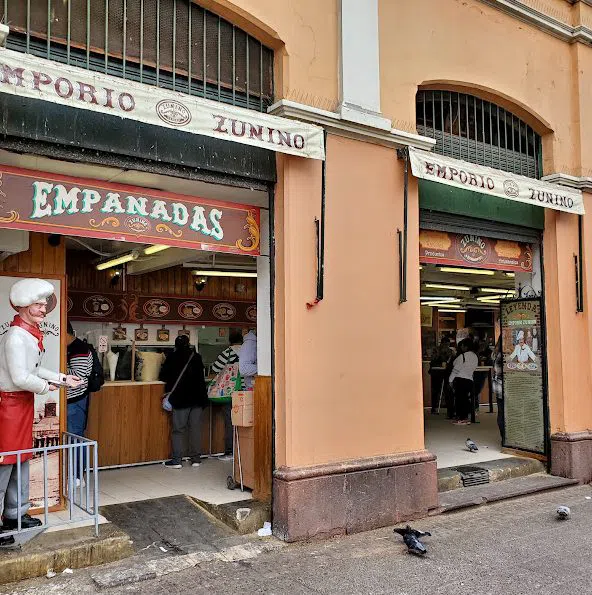
The pino is beef and onion cooked down until the onion has gone sweet and translucent, with half a hard-boiled egg, a raisin and a black olive inside. The olive still has its stone. Bite carefully. The pastry is thick at the crimped edge and thin where the juice has soaked it, and one is a snack while two are lunch. Hours are 9:30–17:30 on weekdays, to 15:00 on Saturday, closed Sunday, which is why this stop belongs in the late morning, before you sit down to fish, not after.
A terremoto at La Piojera, in daylight
La Piojera (Santiago Centro, near Estación Mapocho) has been open since 1916, trades Monday to Saturday from noon, takes no bookings and seats everyone at shared long tables. The terremoto was invented here: pipeño, the cloudy young white wine, poured over a scoop of pineapple ice cream with a slug of grenadine, and it tastes far more innocent than its CLP 4,000–8,000 price suggests. Mains stay under CLP 12,000. It gets loud and it gets messy, and a group is the normal unit rather than an imposition.
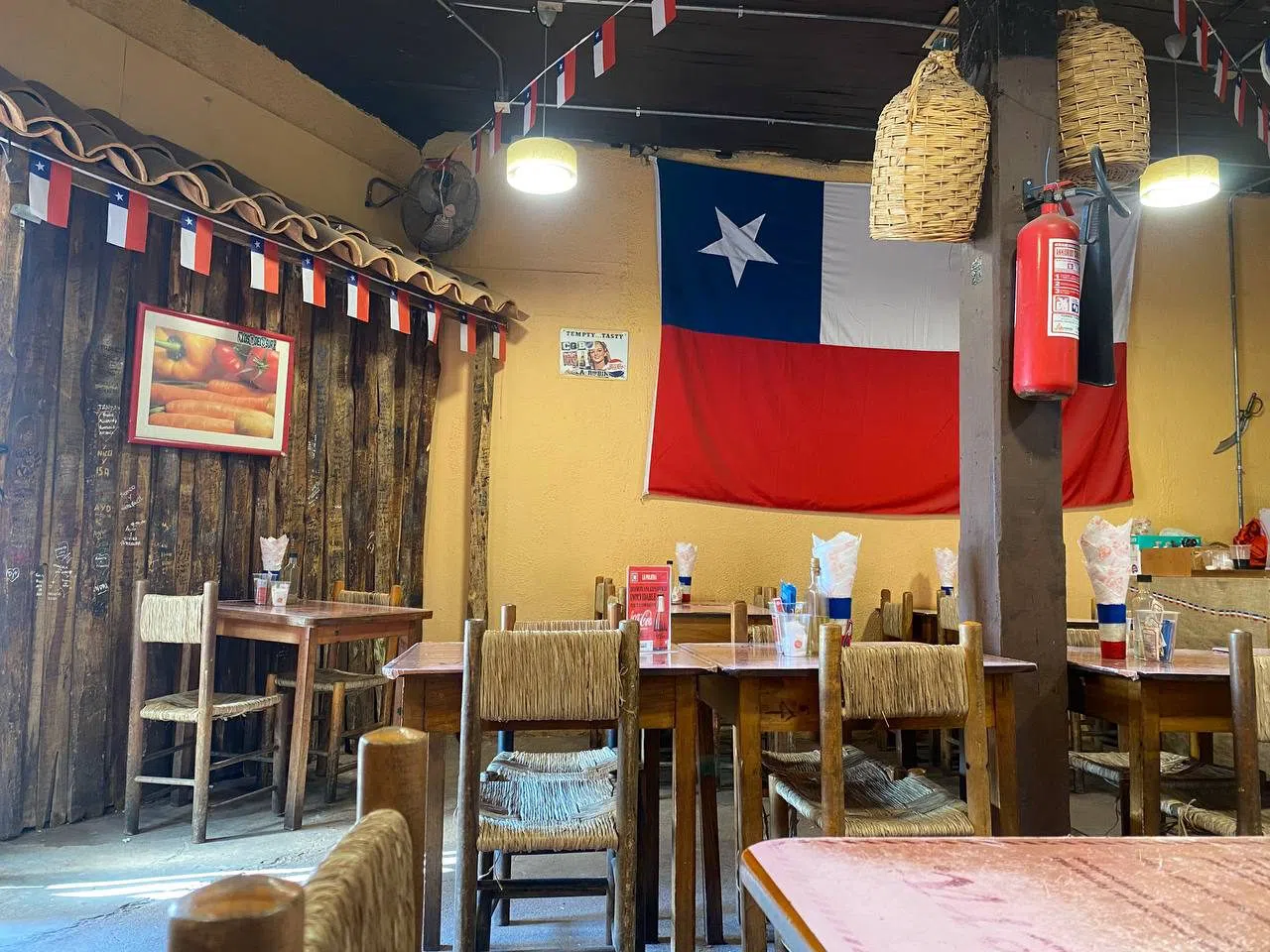
Go in daylight. The streets around Estación Mapocho are fine in the afternoon and less so after dark, and the drink itself is not designed for a late start.
When the markets shut at five
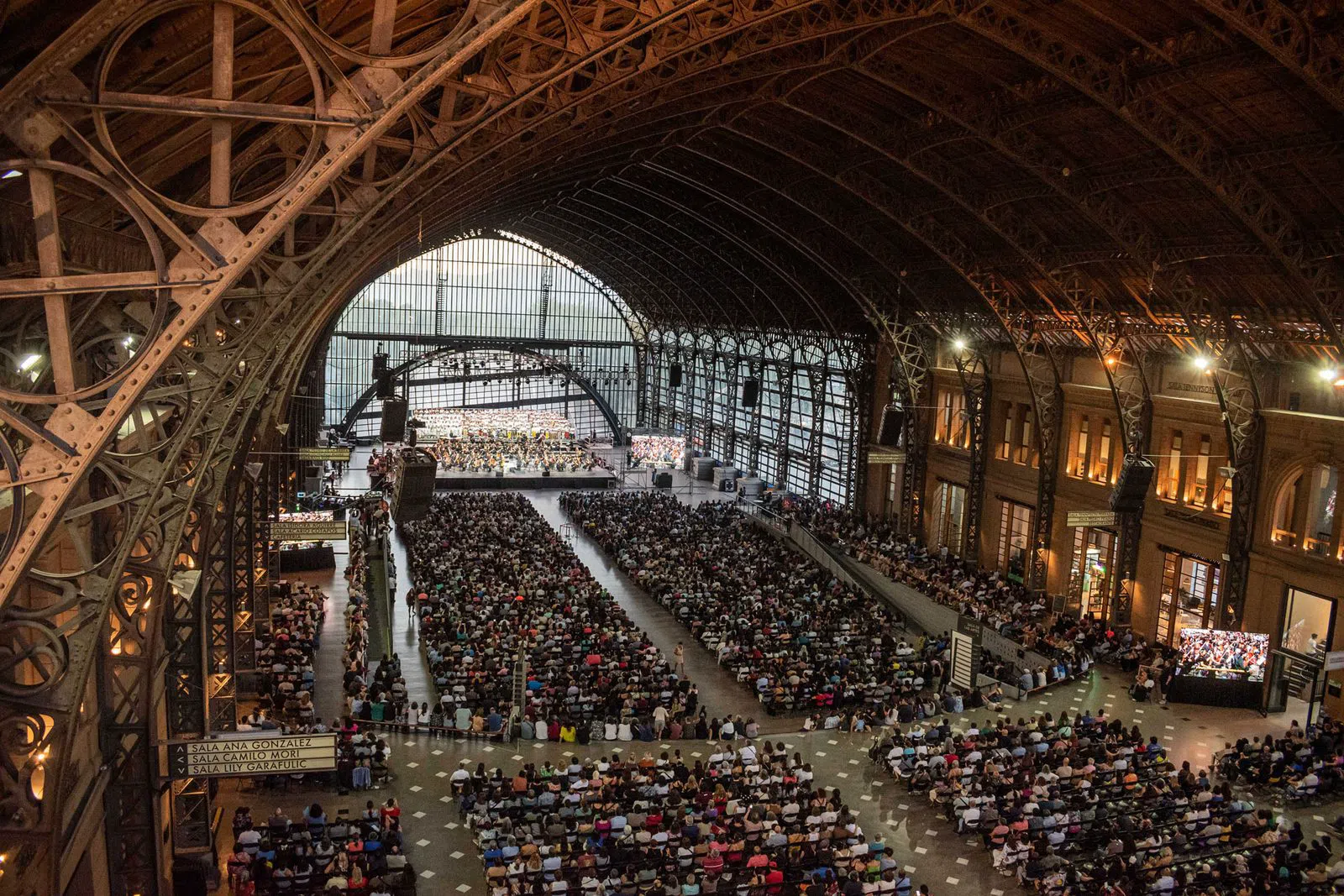
Centro Cultural Estación Mapocho is one block west: the old railway terminus, restored as a cultural centre in 1994, free to walk into the main hall. Check the programme first, because the great hall is a magnificent empty shed unless a book fair, a concert or an exhibition is in it.
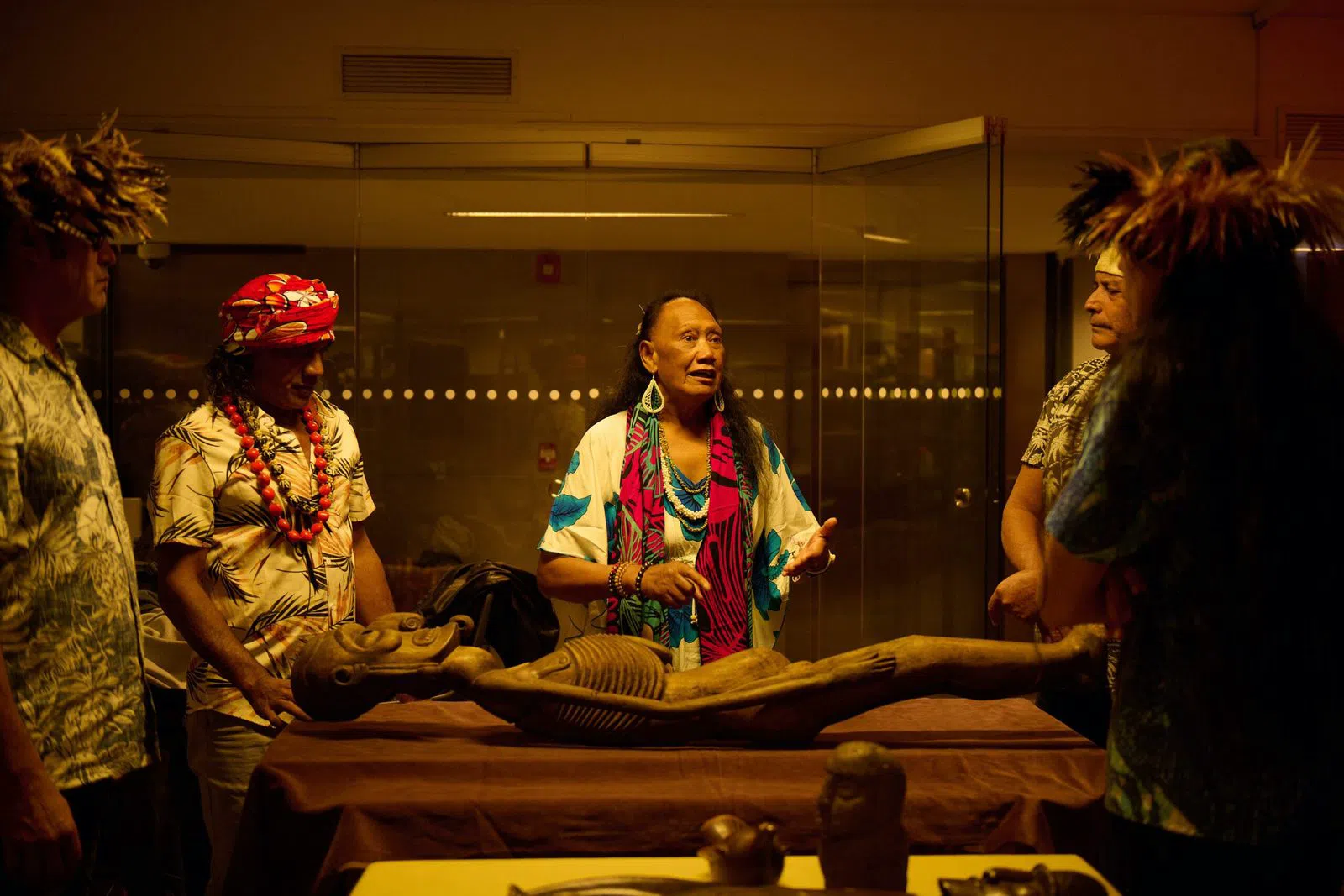
Museo Chileno de Arte Precolombino (Santiago Centro) is three blocks south and is the single stop that gives everything you have just eaten its context. The Andean textile collection is world-class, and you will look differently at the merkén and the clay dishes afterwards. Tuesday to Sunday, 10:00–18:00, last entry 17:15, closed Mondays. Around CLP 7,000–8,000, free for under-10s and, on the first Sunday of the month, for residents. Group visits and guided tours can be arranged in advance.
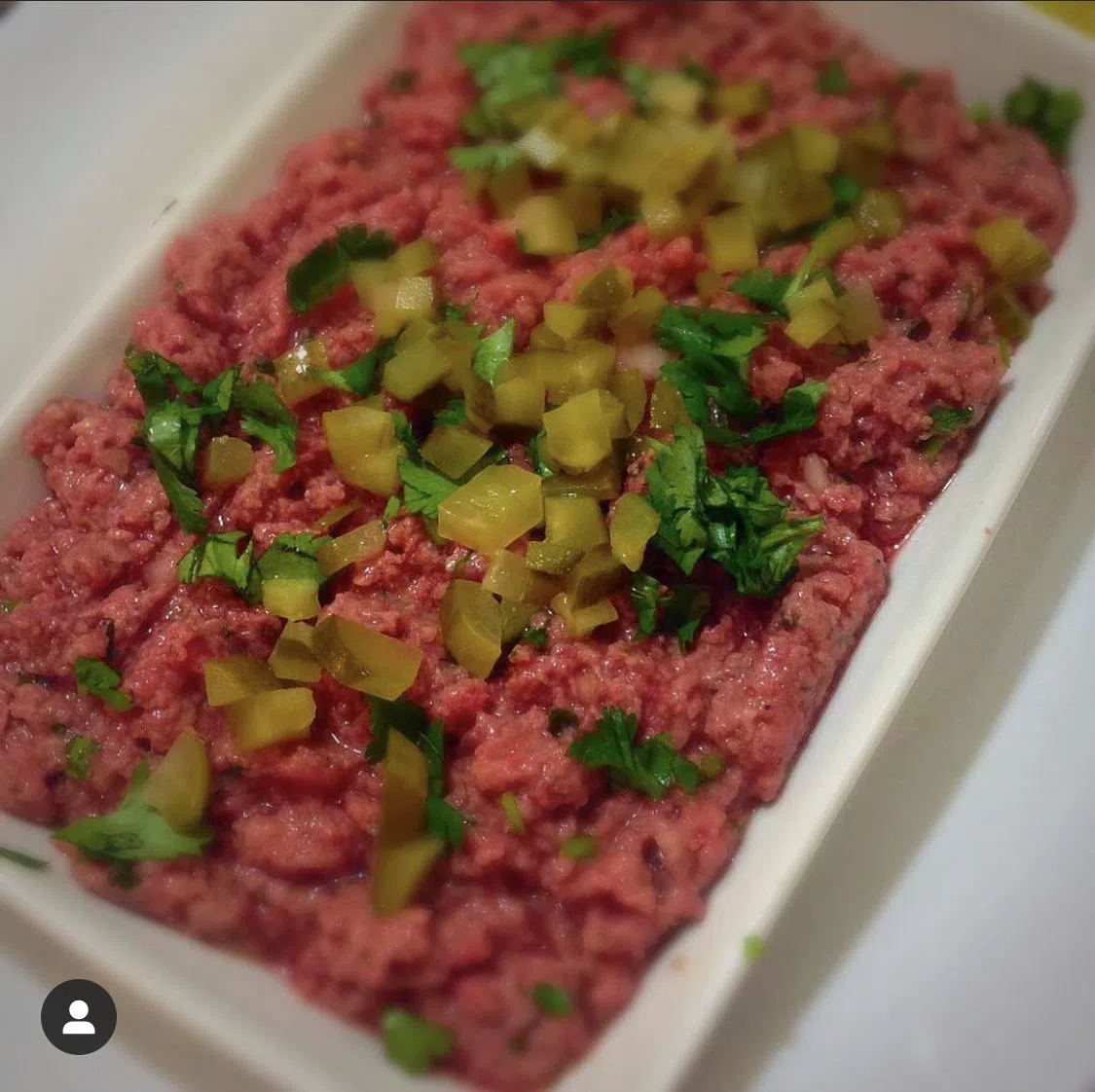
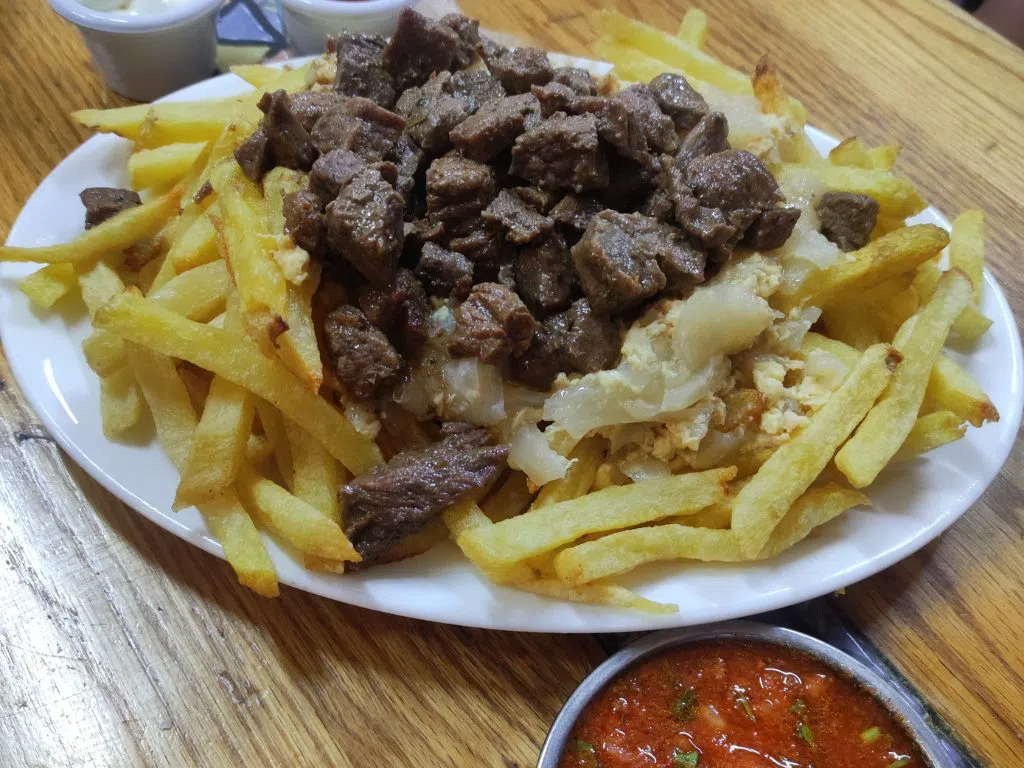
Bar Nacional N°2 (Santiago Centro, on Bandera, next door to the museum) has been feeding downtown for more than fifty years from a counter-and-booth room. The Bandera address is the branch still trading. CLP 8,000–15,000 a head, reservations taken, though anything over six is tight at the lunch rush. If the market counters left you hungry, this is where you order pastel de choclo or cazuela done properly by people who have made nothing else for decades.
Walking it with someone who knows the aisles
FoodyChile runs a Go to Market tour along exactly this route (Plaza de Armas, La Vega Chica, La Vega Central, Tirso de Molina, Mercado Central) with four or five tastings that add up to lunch. Private from two people, US$125–185 per person with the price scaling down at six-plus, 48 hours' notice, and roughly ten blocks of walking. It is not cheap next to a CLP 5,000 counter lunch, and you do not need it. But if you have no Spanish, one day in the city, or a nervousness about the Vega that would otherwise keep you out of it, a guide makes the crush navigable, and you will order better for the rest of the trip.
What to know before you walk it
Transport. Metro Line 2 serves both ends: Patronato for the Vega and Barrio Patronato, Puente Cal y Canto for the Mercado Central. Buy a Bip! card at any station. The whole route is walkable in ten blocks and there is no reason to take a taxi between stops, though one home afterwards, loaded with fruit, is fair.
Cash. Bring CLP in small notes: 1,000s, 2,000s and 5,000s. The counters at La Vega Chica and the produce stalls are cash operations, Emporio Zunino is a cash-and-queue counter, and the sit-down restaurants at Mercado Central take cards. ATMs exist around Plaza de Armas but not inside the markets.
Timing and the day of the week. Thursday or Friday is the sweet spot: Newen Lamngen is open Thursday to Monday, Emporio Zunino closes Sunday, La Piojera closes Sunday and the Precolombino closes Monday, so a Monday or Sunday walk loses two or three stops. Start at 8:30–9am at the Vega, eat at 11:30 to beat the counters' rush, cross the river by one and be at the museum by three. The markets are morning-to-mid-afternoon creatures and everything closes around five.
Budget. Walked on the counters, this is a CLP 15,000–20,000 day per person including an empanada, a set lunch and a terremoto. Sit down at Mercado Central with a bottle of white and it becomes CLP 30,000–45,000. Add CLP 8,000 for the museum.
Where to base yourself. Santiago Centro puts the whole route within fifteen minutes on foot; see the Santiago hotel search for what is close to Plaza de Armas and the river, and the Santiago guide for the rest of the city once you have eaten your way across it.
Before you go
What time should I start the Santiago market crawl?
Be at La Vega Central by 8:30 or 9am. It opens around 6am and the aisles are genuinely impassable after 11, when the porters and trolley traffic take over. Eat at the La Vega Chica counters around 11:30 to beat the lunch rush, cross the river by one, and remember the markets and most of their kitchens shut around five.
Which day of the week is best for this route?
Thursday or Friday. Newen Lamngen only opens Thursday to Monday, Emporio Zunino is closed Sunday, La Piojera trades Monday to Saturday and the Museo Chileno de Arte Precolombino closes on Mondays, so a Sunday or Monday walk loses two or three of the best stops.
Do I need cash, and how much?
Yes. Bring CLP in small notes for the produce stalls, the La Vega Chica counters and Emporio Zunino, which are cash operations. The sit-down restaurants inside the Mercado Central take cards. A counter-based day costs CLP 15,000 to 20,000 per person; a proper seafood lunch with wine pushes it to CLP 30,000 to 45,000.
How safe is La Vega, and what should I actually do about it?
It is a working wholesale market, not a no-go area, but it is crowded and pickpockets work crowds. Wear your bag across the body and in front of you, keep your phone in a pocket rather than in your hand while walking the aisles, carry only the cash you plan to spend, and walk the streets around Estación Mapocho in daylight rather than after dark.
Can I do this crawl with a group of six or more?
Yes, with planning. The La Vega Chica counters seat six to ten so a group of four or more should split across two stalls, and Newen Lamngen has only a handful of seats, so come outside peak lunch or eat in shifts. For a sit-down finish, book Donde Augusto, El Galeón or El Ancestral's mezzanine; Tirso de Molina's upstairs gallery has the longest shared tables of the three markets.