
September in Santiago arrives smelling of anticuchos and spilled chicha before it sounds like cueca. By the second week of the month, nearly every comuna has staked out its own patch of dust, string lights and a plywood dance floor, and the postcard version of Fiestas Patrias — a couple twirling handkerchiefs on a hotel terrace — has almost nothing to do with what's actually happening in the barrios. This is fonda season: a working-class ritual of chicha, empanadas and the cueca danced properly, not performed. What follows is a route through it, from the mega-fondas that draw six-figure crowds to the unmarked bars where cueca brava has been danced the same way for sixty years.
The Two Big Ones: A National Fonda and a Week-Long Fair
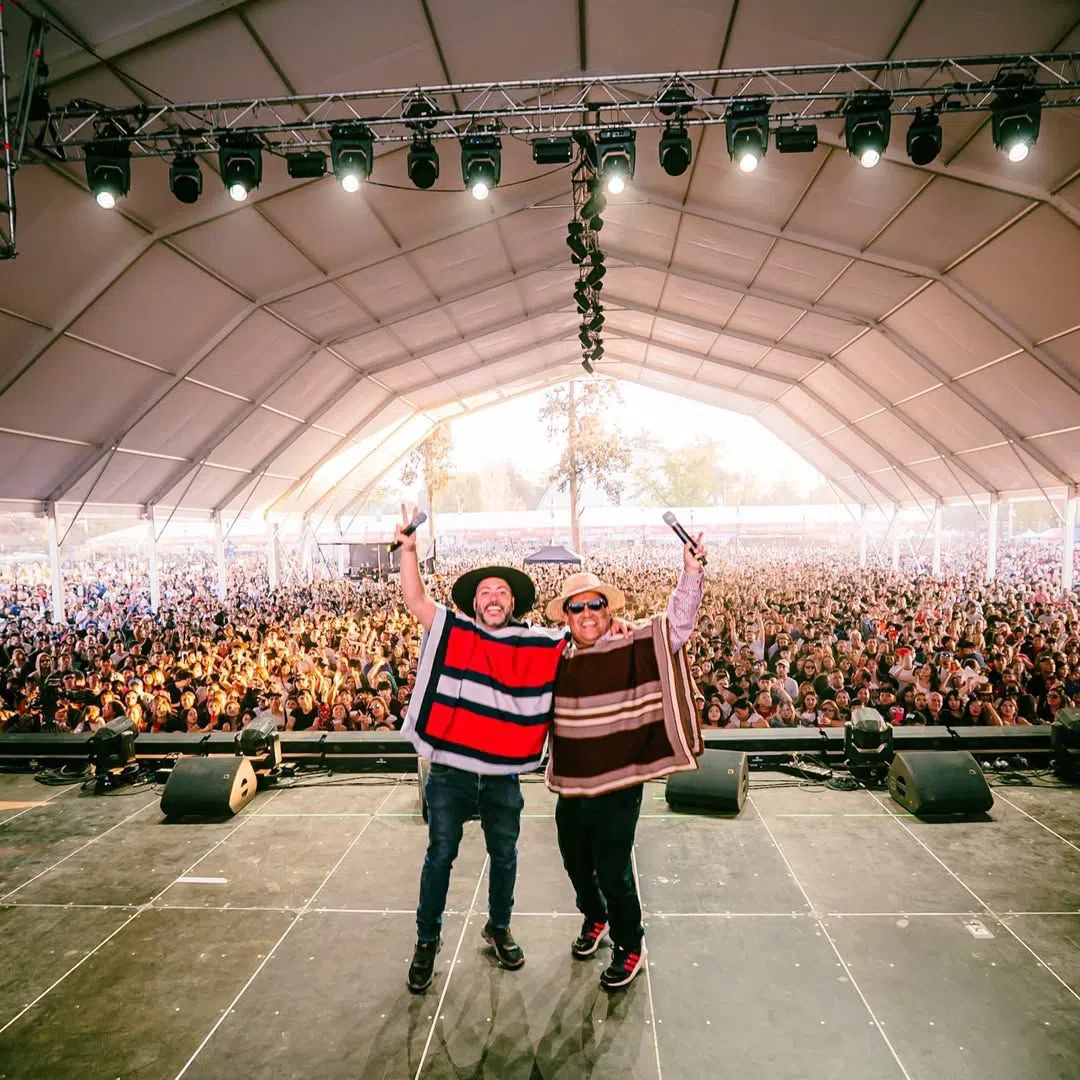
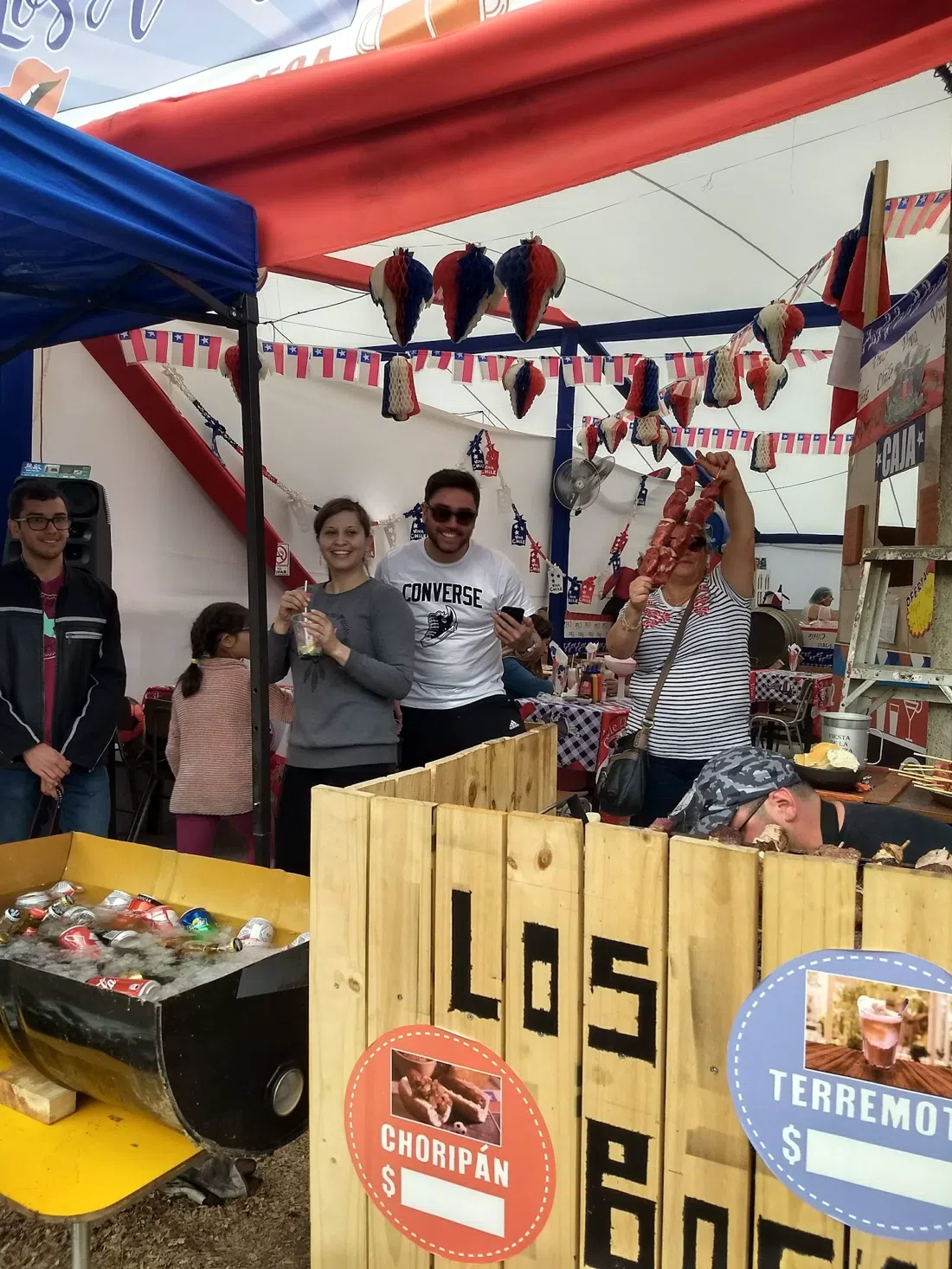
La Gran Fonda de Chile is the fonda every other fonda in the country measures itself against — the biggest, most institutional celebration of the lot, running 17–20 September 2026 at Parque O'Higgins, the traditional home of the national Fiestas Patrias party. It's built for volume: multiple stages, food courts, folkloric shows and a crowd that runs into the tens of thousands on the peak days. Preventa tickets start from CLP 11,500 per day and are worth buying ahead — the 17th through the 20th sell hard, and turning up on spec means queuing in the sun for an hour before you've had a single terremoto. Groups are the default here, not the exception; if you want the full national-holiday spectacle in one place, this is it, but go in knowing it's closer to a music festival than an intimate cultural evening.
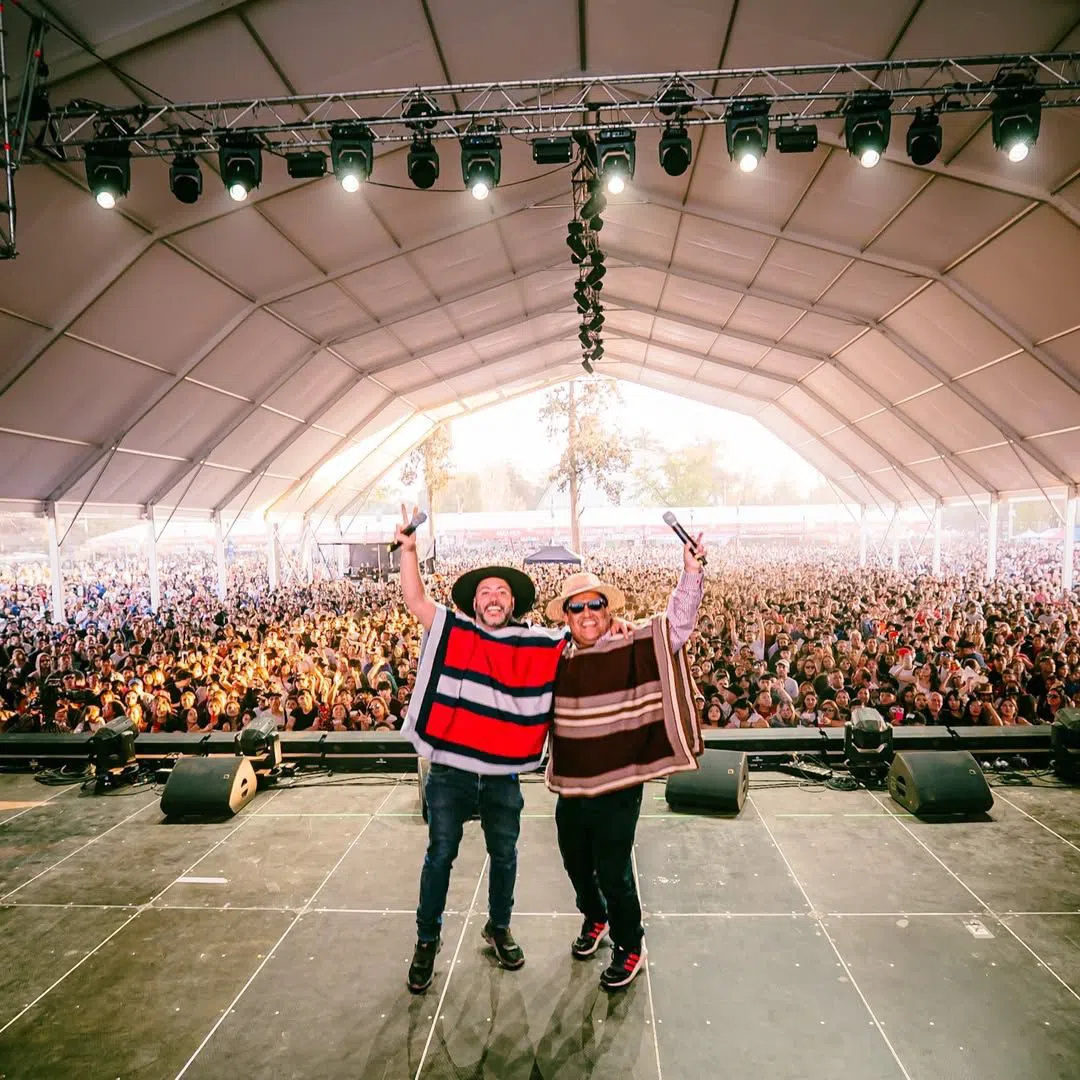
For something with more depth and less crush, Semana de la Chilenidad runs a full seven days, 12–20 September 2026 — its 29th edition, and the longest-running fonda-adjacent event in the city. Because it spans a week rather than four days, it's the easiest of the big events to time around crowds: go on a Tuesday and you'll get folk dancing, artisan stalls and regional food without fighting for elbow room. Entry is checked daily on the event's own site and has historically sat mid-range. Groups are welcome throughout. If La Gran Fonda de Chile is the party, Semana de la Chilenidad is the closest thing Santiago has to an actual folk-culture festival — rodeo-season crafts, huaso gear, regional cooking, and cueca as culture rather than backdrop.
The Barrio Circuit: Where the City Actually Celebrates
The more honest version of September happens at comuna level, where each barrio runs its own fonda with its own character, and where you're far more likely to end up dancing than watching.
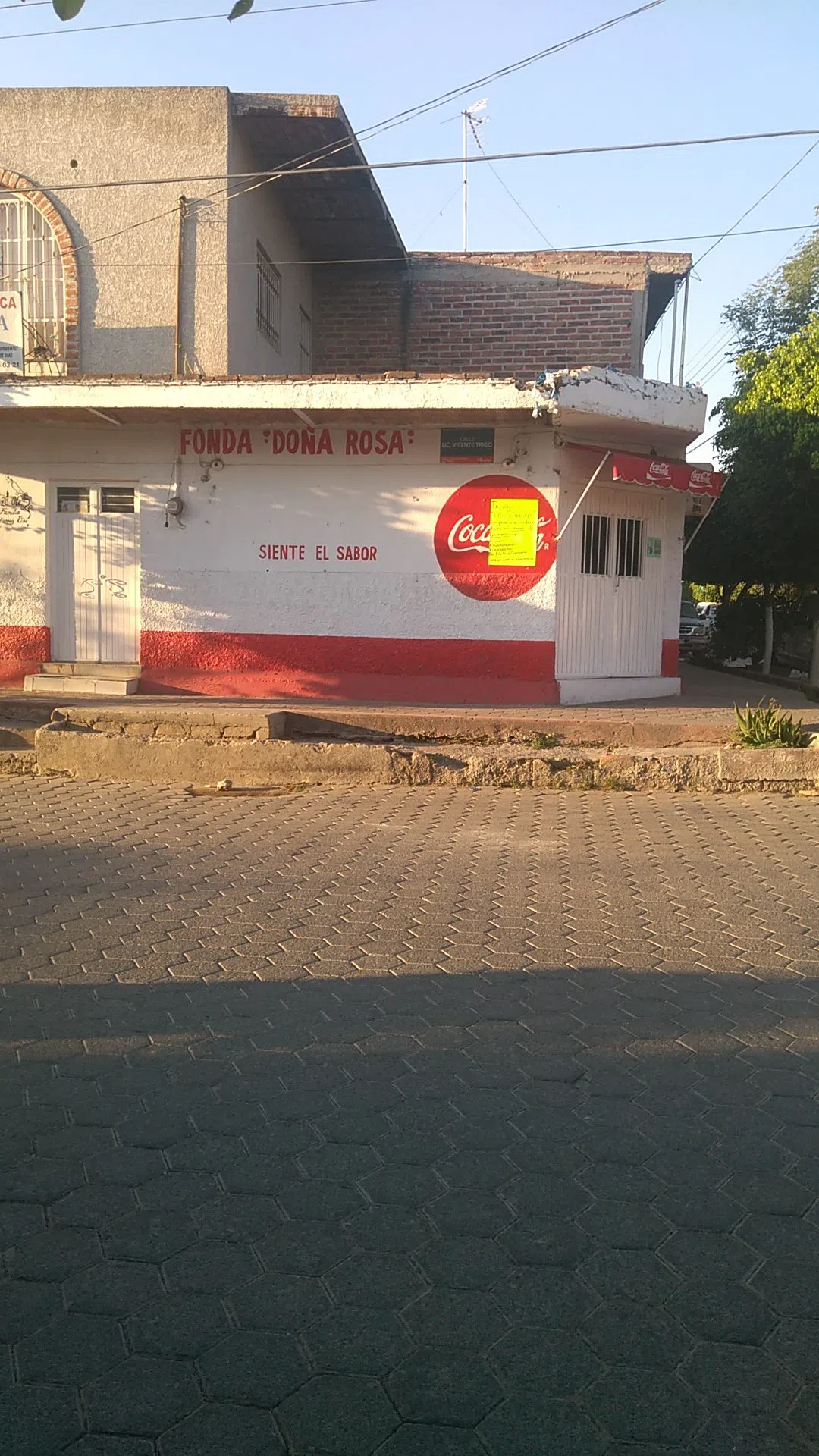
Fonda Doña Rosa, Independencia's answer to the O'Higgins mega-fonda, is confirmed for 18 and 20 September 2026 at the Hipódromo Chile. It's explicitly family-oriented — kids under 13 get in for CLP 6,000, under 5 free — and general entry varies by day, so check before you commit to a date. Bigger groups have a real option here too: the premium 'Los Parientes de Doña Rosa' zone is built for parties that want table service and a bit of distance from the general floor. This is the fonda to pick if you're bringing children or want the barrio energy without the O'Higgins-scale crowd.
Corazón de Chile, Ñuñoa's newly confirmed 2026 fonda, runs 17–20 September and is worth the trip for one specific reason: it hosts a real cueca contest, not just recorded music between acts. General admission is CLP 12,000, with discounts for residents holding a Tarjeta Vecino. It's a municipal, family-run event and groups are welcome — the pick if you actually want to watch people compete at the dance rather than just hear it in the background.
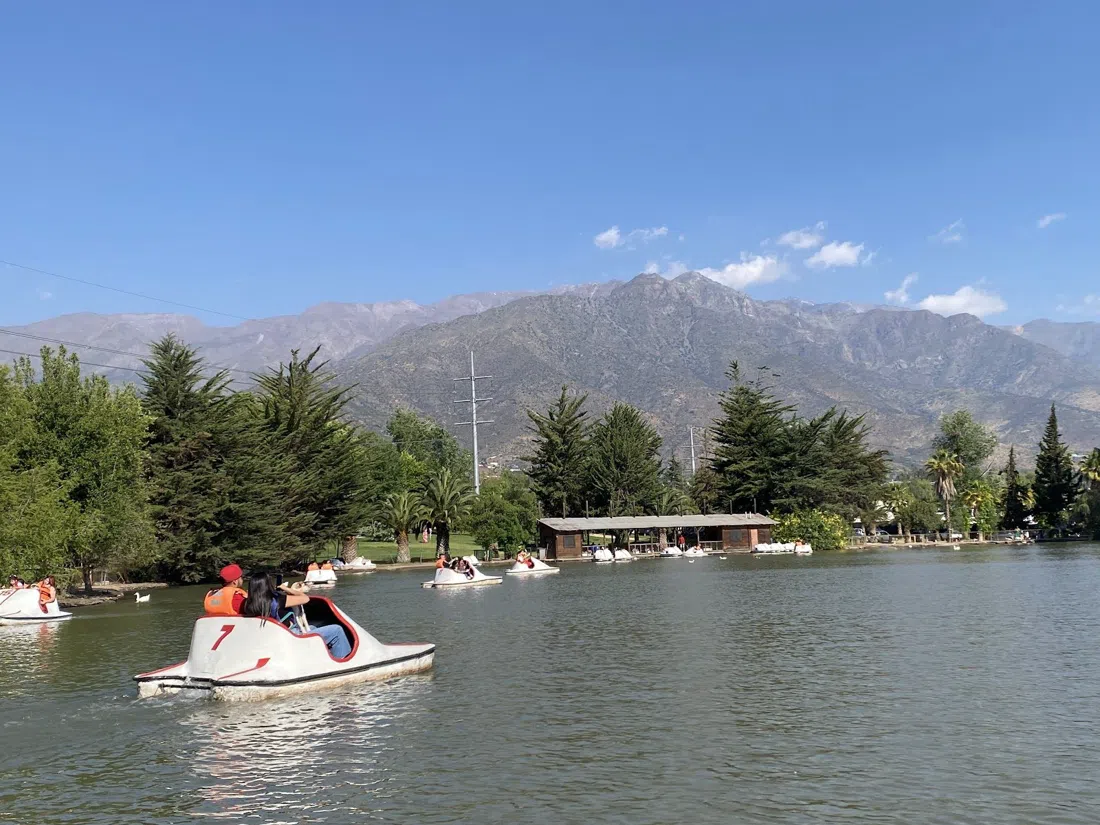
Gran Fonda Las Vizcachas, out in Puente Alto, sits right where the city meets the cordillera — a genuinely different backdrop from the downtown fondas, with the Andes as a wall behind the stage. It runs 18–19 September 2026, preventa from CLP 8,000 and CLP 15,000 on the door. Organisers note a heavy security presence, which says more about the event's scale than any particular risk — it's a big, family-oriented party, groups fine, just don't expect a quiet corner to talk in.
Where Cueca Brava Still Bites: Bars and a Dance School
The fondas are where cueca gets a crowd; these two places are where it gets serious. El Huaso Enrique, in Barrio Yungay, is widely called the cathedral of cueca brava — the rawer, faster, more improvised version of the national dance, danced by people who grew up doing it rather than performing it for tourists. It runs weekly cueca nights year-round (confirmed on 2026 event listings), cover is around CLP 2,500 on live-show nights with food and drink extra, and it gets genuinely full — reserve by WhatsApp if you're coming as a group, and expect a room that's loud, unpolished and completely unbothered by anyone outside it. This is the version of the dance the fondas are echoing; if you only have time for one cueca venue, make it this one.
If you'd rather learn the steps than just watch them, La Chimenea, tucked in a passage in Santiago Centro near the Concha y Toro barrio a couple of blocks from La Moneda, runs paid group cueca classes at around CLP 2,500 a class, beginner-friendly and open year-round. It's the one venue on this list that actually teaches the dance rather than showcasing it, which makes it worth building an afternoon around before heading out to a fonda in the evening with at least a working sense of the footwork.
Dinner and a Show: The Quintas de Recreo
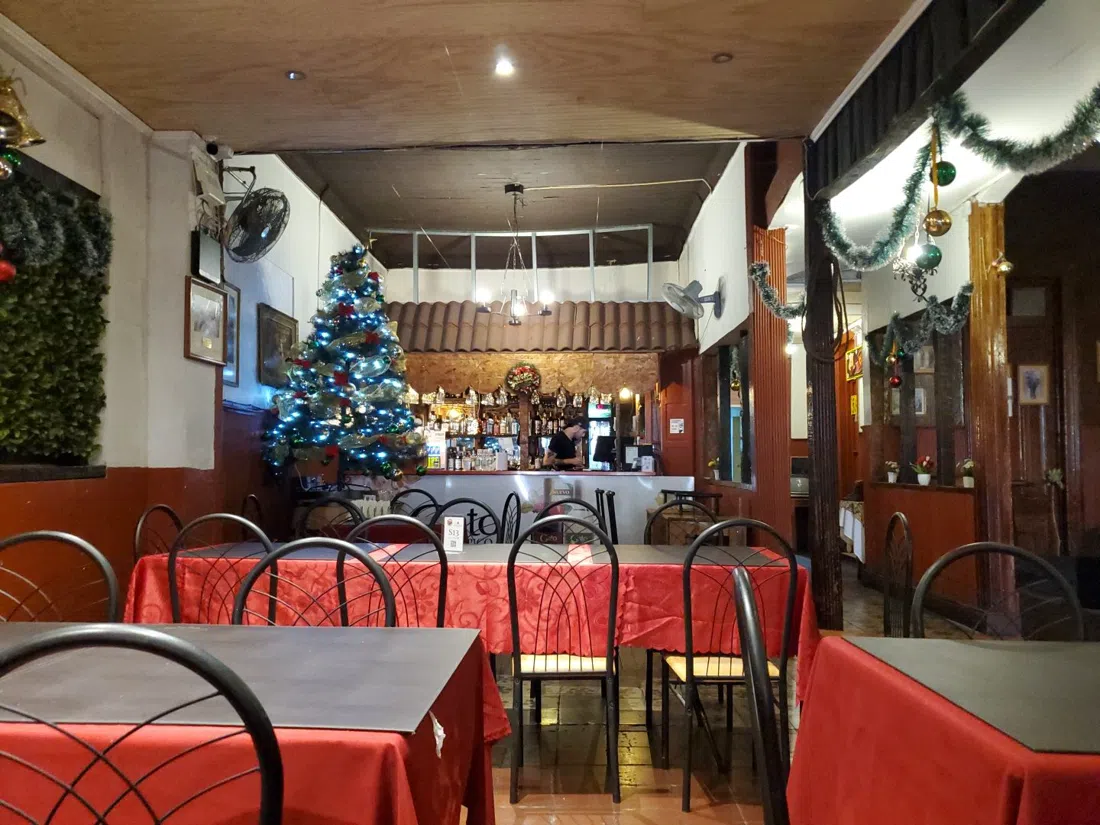
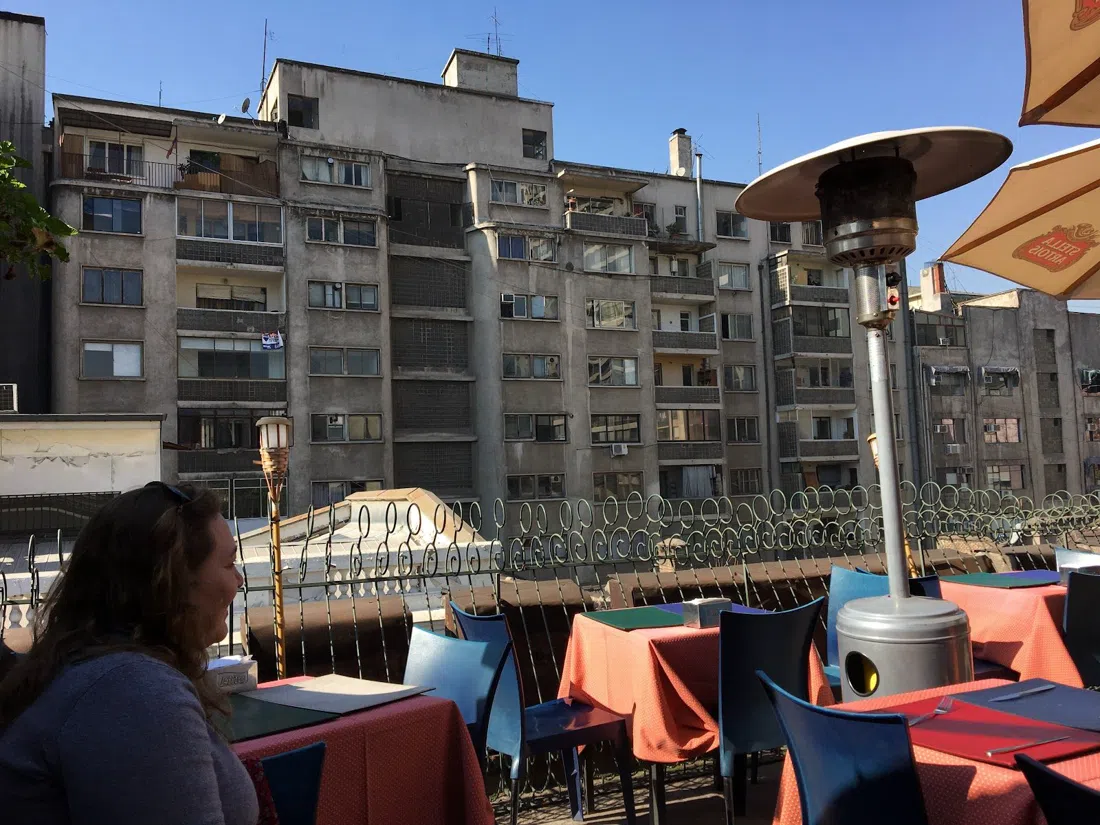
For readers who'd rather sit down to a full meal than stand in a crowd, Santiago's quintas de recreo — traditional dinner-and-folklore venues — are the format built for exactly that. Los Adobes de Argomedo, on Calle Argomedo in Santiago Centro, is a classic of the genre: colonial-style décor, a proper Chilean menu and a real cueca and folk show rather than a recorded soundtrack. It takes group bookings and runs a dedicated celebrations and events service, so it's a solid pick for anything from a couple's dinner to a private party — and on Friday nights the dancing runs until 1am if you want the meal to turn into a night out. Pricing sits mid-range for a sit-down dinner with a show included.
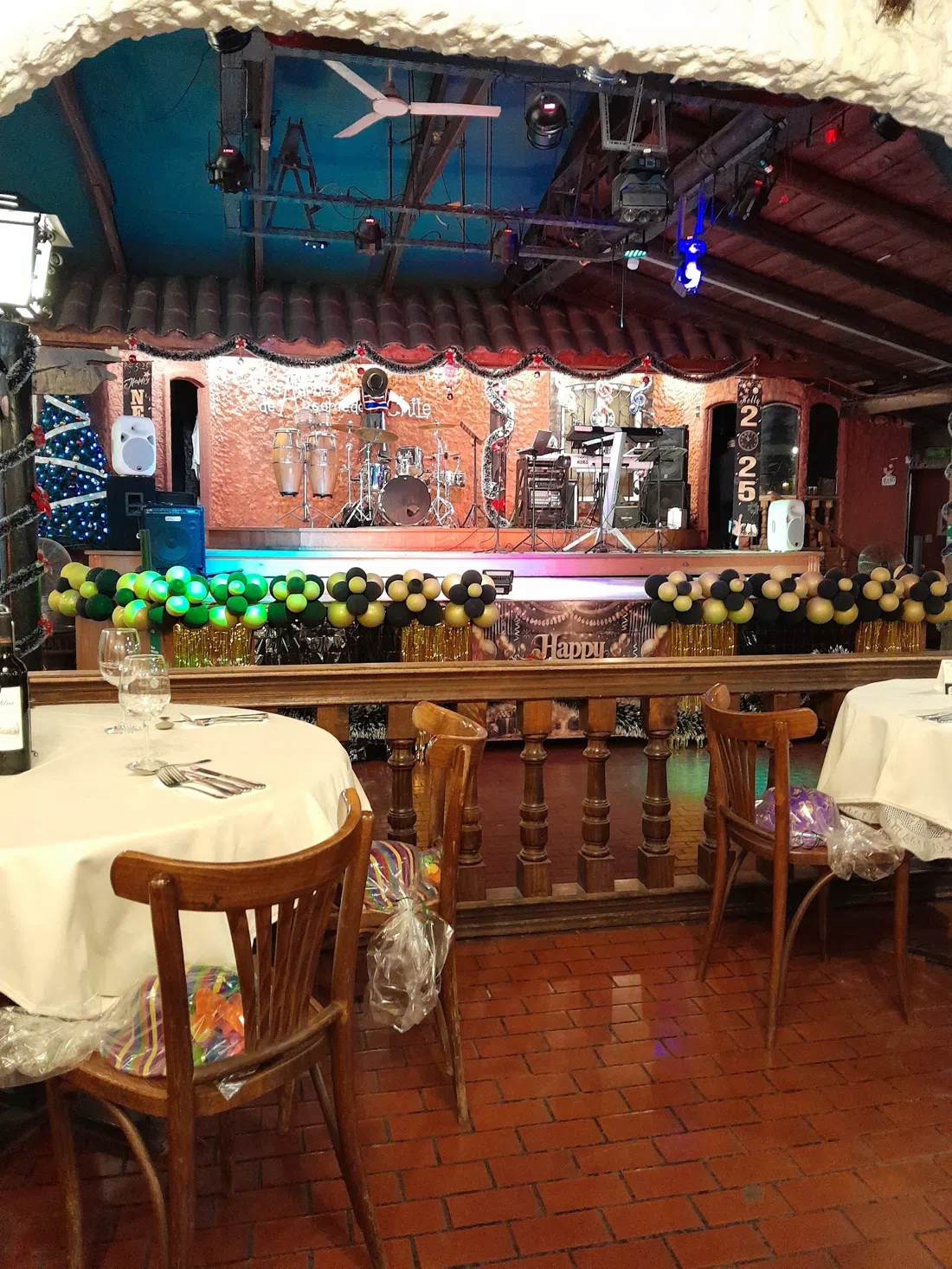
Los Buenos Muchachos, in Barrio Brasil, has been running since the 1970s and pairs a proper Chilean parrilla with live folk shows and dancing every Friday and Saturday from 10:30pm. It's built for scale — large groups and private events are well accommodated — and works as a reliable, bigger-format alternative to the more intimate peñas: good grilled meat, a real band, and a floor that fills up fast once the show starts. Book ahead on weekends; this is one of the city's more established folklore-dinner rooms and it's popular with exactly the kind of large groups the format is designed for.
The Room Where the Terremoto Was Born: La Piojera
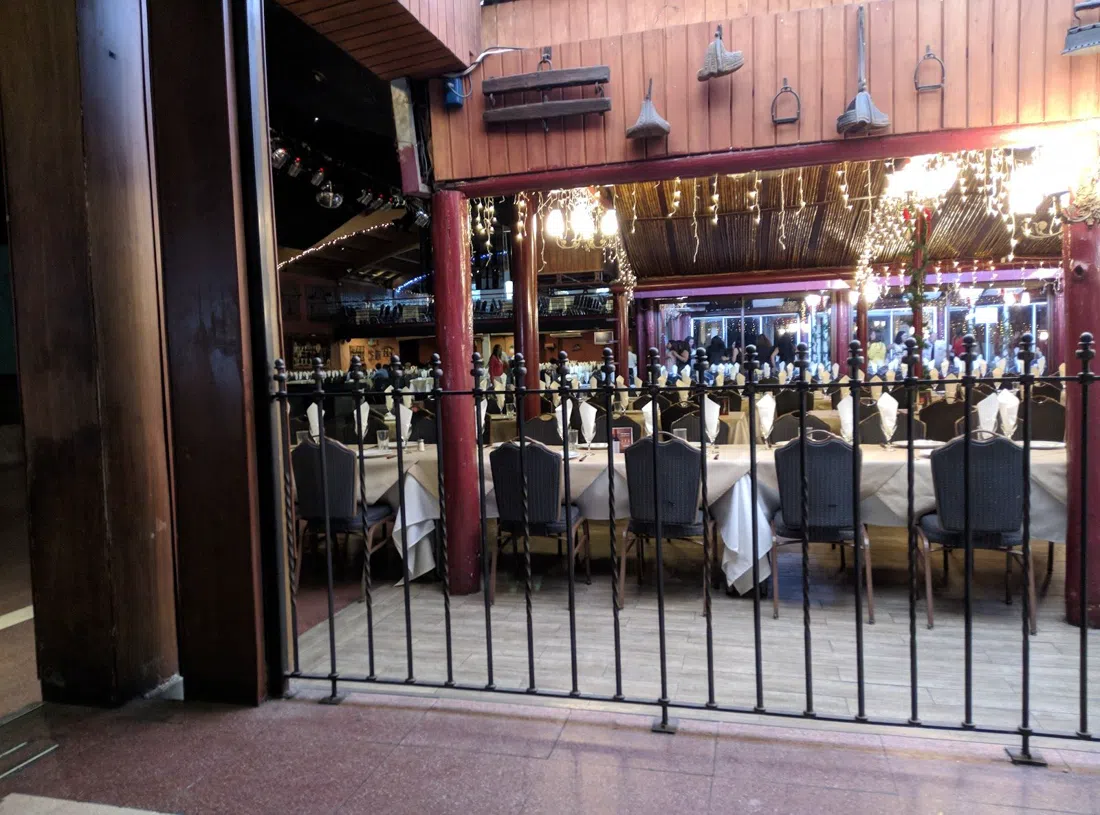
No honest piece on Santiago's working-class drinking culture skips La Piojera, the historic chichería near the Mercado Central in Santiago Centro and the most photographed of the city's old bars — the birthplace-in-spirit of the terremoto, the fernet-and-pipeño earthquake cocktail that's since spread to bars across the country. It's cheap, informal, and walk-in groups are the norm rather than something you need to arrange. It also gets genuinely rowdy, particularly as the day goes on and the terremotos stack up, so the local advice is to go by day if you want a calmer version of it, or take an Uber rather than walk if you're heading there at night. It isn't a September-only spot — it runs all year — but during Fiestas Patrias it takes on the same charged, packed energy as everywhere else on this list. Go for the atmosphere and the history, not for a quiet drink.
Getting Around, Cash and Timing
Transport. The fondas are spread right across the city — Parque O'Higgins and Santiago Centro venues are walkable from downtown, but Independencia's Hipódromo Chile, Ñuñoa and especially Puente Alto are a metro-plus-taxi or rideshare job, particularly once an event lets out and thousands of people are trying to leave at once. Build in extra time for the return leg on the big dates (17–20 September); this is when Uber surge pricing and metro crowding both peak. If you're staying centrally, a Santiago hotel search closer to Santiago Centro or Providencia cuts down the travel time to most of this list.
Cash. Fondas and chicherías run heavily on cash. Card readers exist at the bigger events but queue times balloon, and smaller stalls inside every fonda — the ones selling anticuchos, empanadas and chicha by the cup — are cash-only as a rule. Carry small CLP notes; nobody at a fonda food stand wants to break a 20,000 note for a 1,500 empanada.
Timing. This is Chile's rodeo season as much as it's cueca season — the huaso culture behind both runs through mid-September, and the fondas are its street-level expression. The core dates cluster around 17–20 September (Fiestas Patrias proper), when every venue on this list is at its fullest and loudest; Semana de la Chilenidad's week-long run from the 12th is the easier way to get the same culture with breathing room. September is early spring in Santiago — days can be warm and dry or unexpectedly wet and cold, and fondas are largely outdoor, standing events, so check the forecast and dress for an evening that might turn chilly fast, especially with the Andes visible from spots like Las Vizcachas.
Budget. Entry to the barrio fondas runs roughly CLP 8,000–15,000; the mega-events and week-long fairs sit in a similar band with preventa discounts worth taking. Cueca bars like El Huaso Enrique charge a modest cover (around CLP 2,500) with food and drink on top. Dinner-and-show venues like Los Adobes de Argomedo and Los Buenos Muchachos are mid-range sit-down pricing — plan for a proper restaurant bill rather than a bar tab. None of it requires a big budget; what it requires is picking the right night, because the difference between a fonda at its best and a fonda at its most chaotic is almost entirely about timing. For the rest of the city beyond September, the full Santiago guide covers where to stay and what else is worth building a trip around.