The Santiago issue
How Santiago Shops for Dinner, Market by Market
Wet tiles at La Vega before eleven, a Ñuñoa street feria at half past eight: this is where Santiago buys its food, with the days, hours and prices.

By Anaïs LefèvreMarket stalls, corner cafés and the dish worth crossing town for
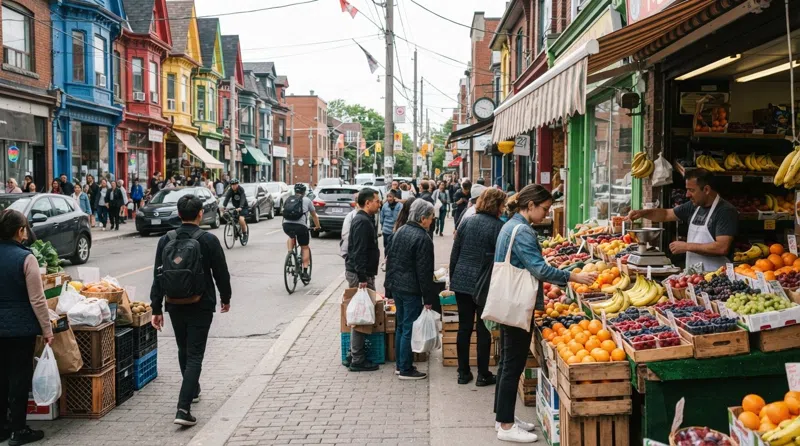
The floor of the Vega is wet by half past six and stays wet all day. The smell changes every ten paces: coriander, then fish on crushed ice, then the sugar-and-oil cloud rising off a pan of sopaipillas, and the aisles belong to porters pushing crates that will not stop for you. Santiago keeps its food life in covered markets that open before dawn and in street ferias that unfold on a Tuesday morning and are packed away by mid-afternoon, rather than in any one restaurant district.
The Vega is three markets, not one
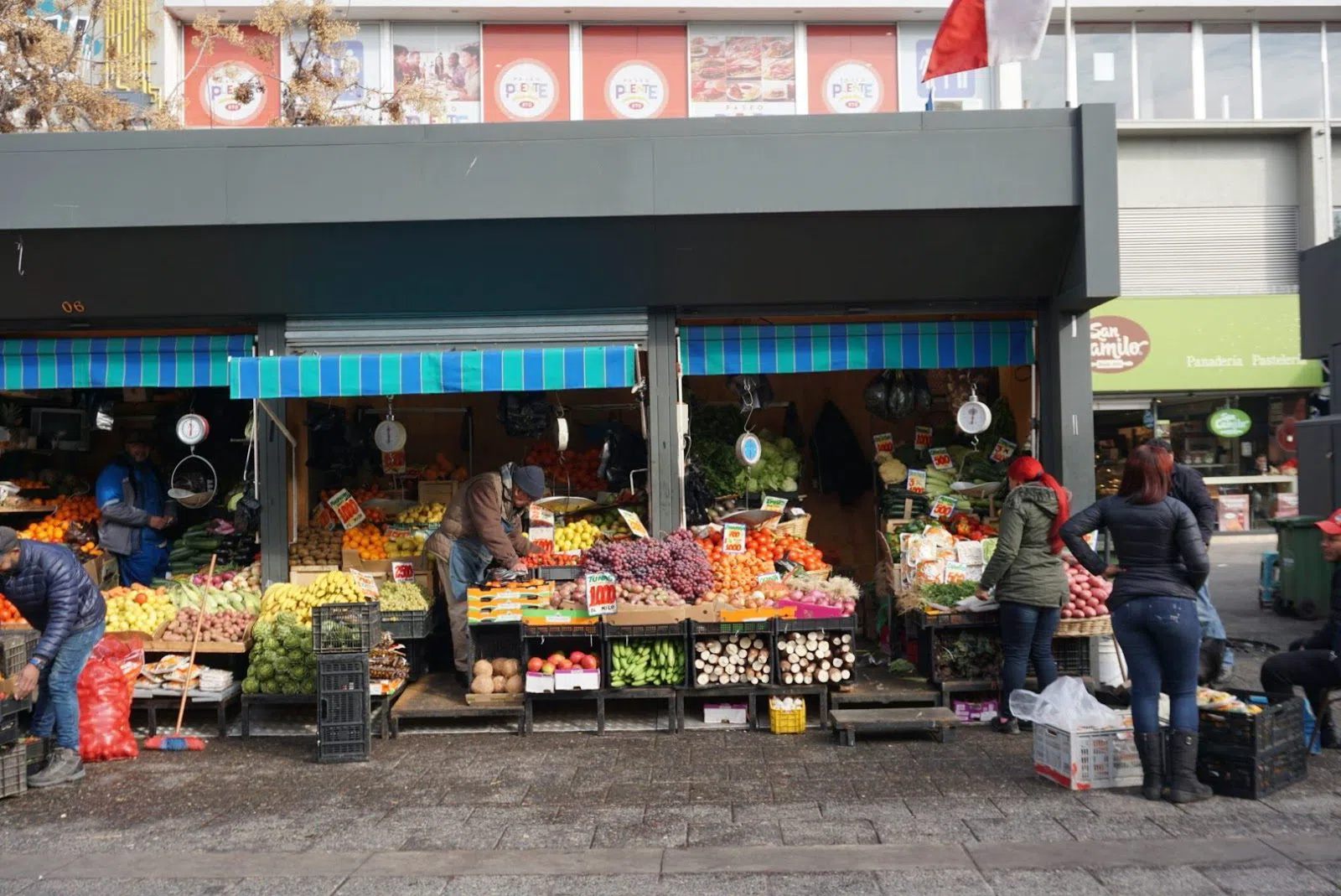
La Vega Central (Recoleta) is the anchor of any market week here: nine and a half hectares, more than five hundred stalls, open 06:00 to 19:00 every day. This is where a large part of the city buys dinner, and the prices say so. Produce runs CLP 1,000 to 3,000 a kilo, and a full week's shopping for a household lands somewhere between CLP 10,000 and 20,000. Come before 11:00. After that the aisles thicken, the porters lose patience, and the best boxes at the back have already gone to restaurant buyers who arrived at seven.
Two warnings, both earned. Pickpockets work the junctions where the crowd slows and everyone looks up at once, so keep your phone away and your money in a front pocket. The tiled floor is slick from opening to close (meltwater, fish ice, trimmed outer leaves), so wear flat shoes with grip and do not hurry anywhere. Walking and cycling tours run groups through daily; if you are with one, go single file and let the crates pass. Two people read this market far better than eight do.
Buy the way the person next to you buys. Ask the price per kilo before you point. Take a small quantity on the first pass (half a kilo of tomatoes, three paltas, a bag of choclo), then go back to the stall whose tomatoes actually tasted of something. Pick up merkén, dried huesillos and a bag of mote while you are there; they weigh nothing, and the huesillos and mote are the two halves of the drink every kiosk in the country sells in summer. For everything else in the city around it, the Santiago guide is the wider map.
Plan your Santiago trip
Live prices from our booking partners.
Free cancellation on many rooms. We may earn a commission when you book.
Where to eat once you are inside
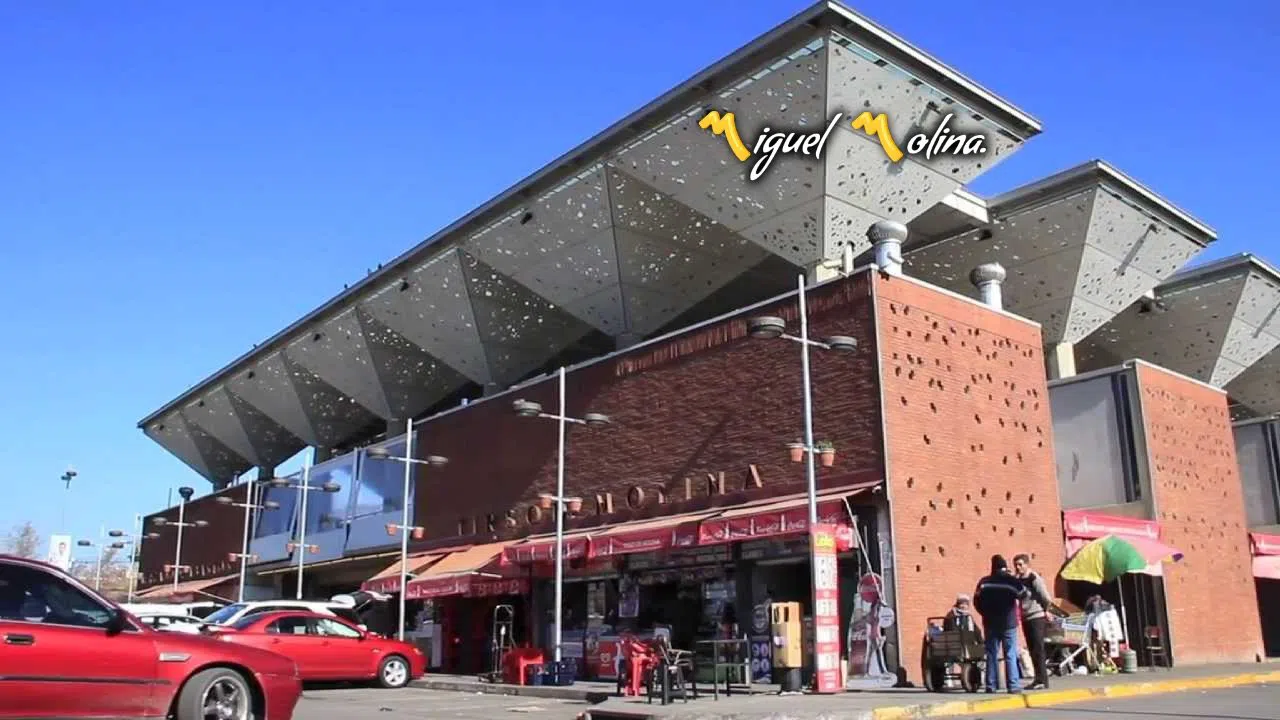
Mercado Tirso de Molina (Recoleta) is the comfortable lunch in the Vega complex, open roughly 08:00 to 17:30, with the cocinerías upstairs above the produce floor. A set lunch (soup or salad, a main, sometimes a small dessert) runs CLP 5,000 to 9,000, and a fresh juice CLP 2,000 to 3,000. Chilean counters sit alongside Peruvian, Colombian, Venezuelan and Thai kitchens, which is what Recoleta eats now. The counters are small: a group of six should split across two or three of them instead of trying to hold one table hostage.
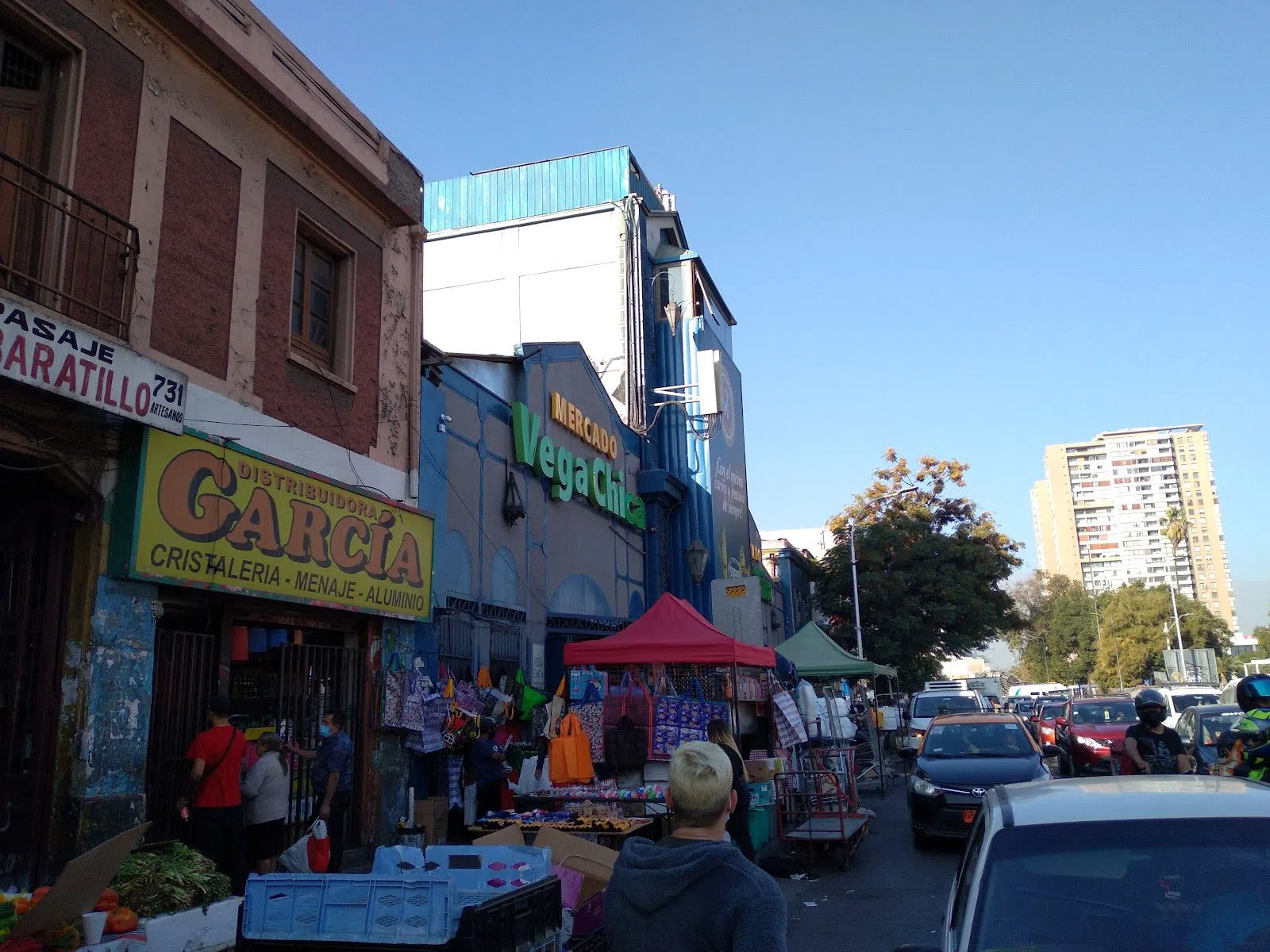
La Vega Chica (Recoleta) is the cheap, unglamorous half of the same eating habit, and it leans harder on seafood and Peruvian cooking. Lunch is CLP 4,000 to 8,000. There are no reservations and no door policy; the benches fill with market workers between 12:00 and 14:00, so bring a group at 11:30 or after 14:30 and you will get seats without taking anyone's lunch break away from them. Price for price, it is the honest counterpoint to the tourist tables downtown.
The seafood hall downtown and how not to get fleeced
Mercado Central de Santiago (Santiago Centro) is the finest market building in the country, a wrought-iron hall that would be worth twenty minutes even if it sold hardware. It opens at 07:30 daily, until 20:00 on Friday and 19:00 on Saturday. The perimeter fishmongers and the small cocinerías around the edge beat the big restaurants in the centre nave on both price and cooking. The centre is where the arriving groups get funnelled.
Mains run CLP 12,000 to 25,000, and centolla costs considerably more than that, so ask the figure out loud before it arrives. The aisle touts work hard on anyone who looks newly arrived; agree the table, the dishes and the prices before you sit down, and do not accept a menu change once you are seated. The restaurants do take group bookings, and with more than six people that is the sensible route in. Eat a caldillo de congrio if the day is cold, machas or a plate of reineta if it is not, and walk the fish counters first so you know what came in fresh that morning.
A working butchery floor in Franklin
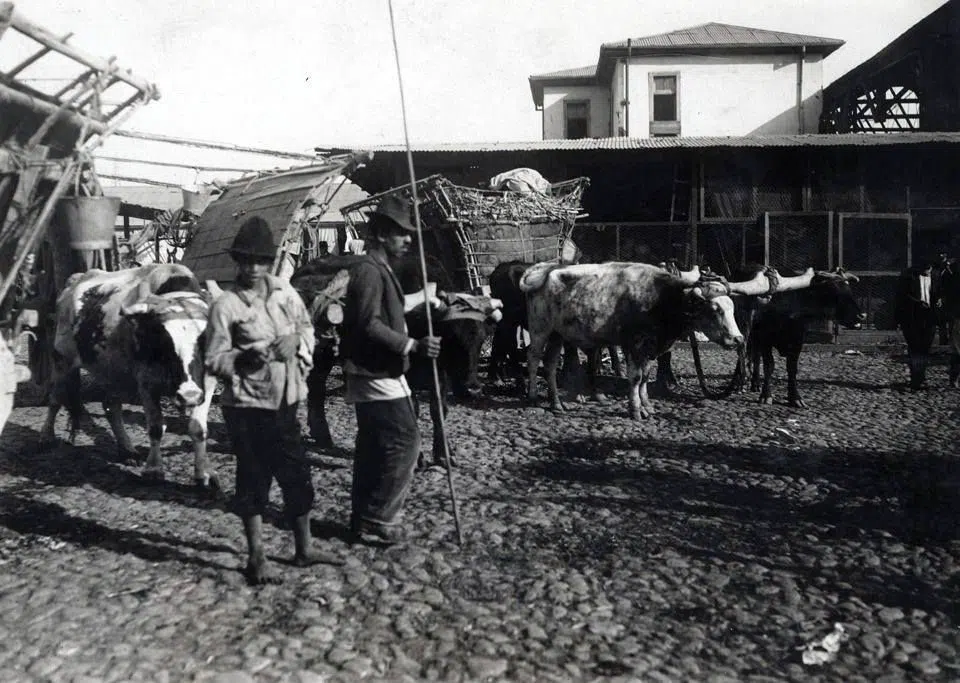
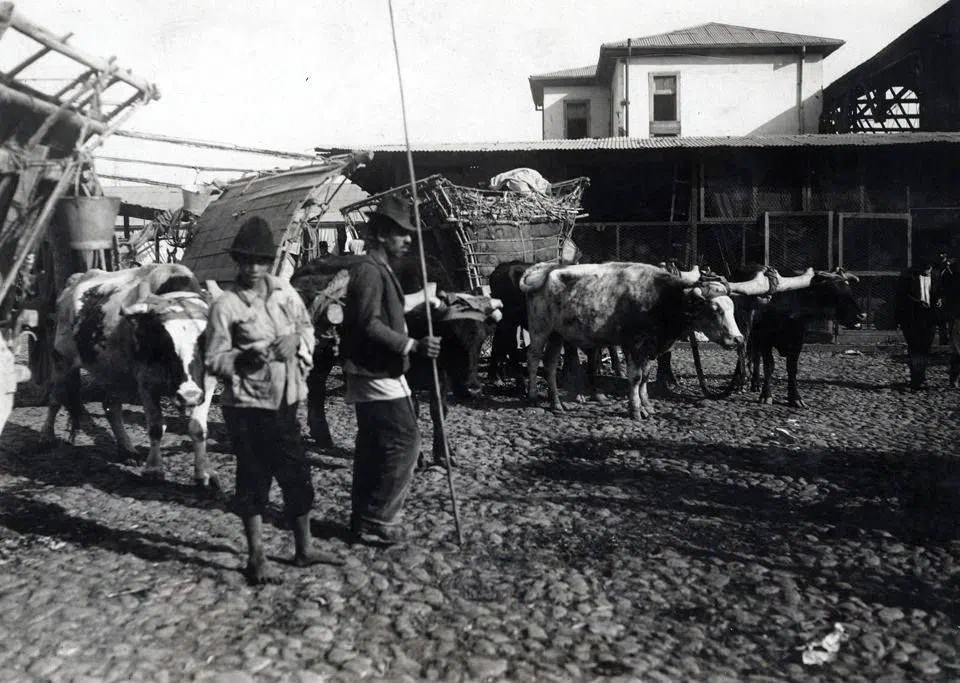
Mercado Matadero Franklin (Barrio Franklin) was founded in 1847 as the city slaughterhouse and still opens daily from 06:30. More than twenty carnicerías survive inside, and together they are the clearest read anywhere in Santiago on how an asado or a cazuela actually gets shopped for: which cuts, which prices, how much lomo a family buys on a Saturday. Retail meat here sits well under supermarket prices; snacks around the edges cost CLP 3,000 to 6,000.
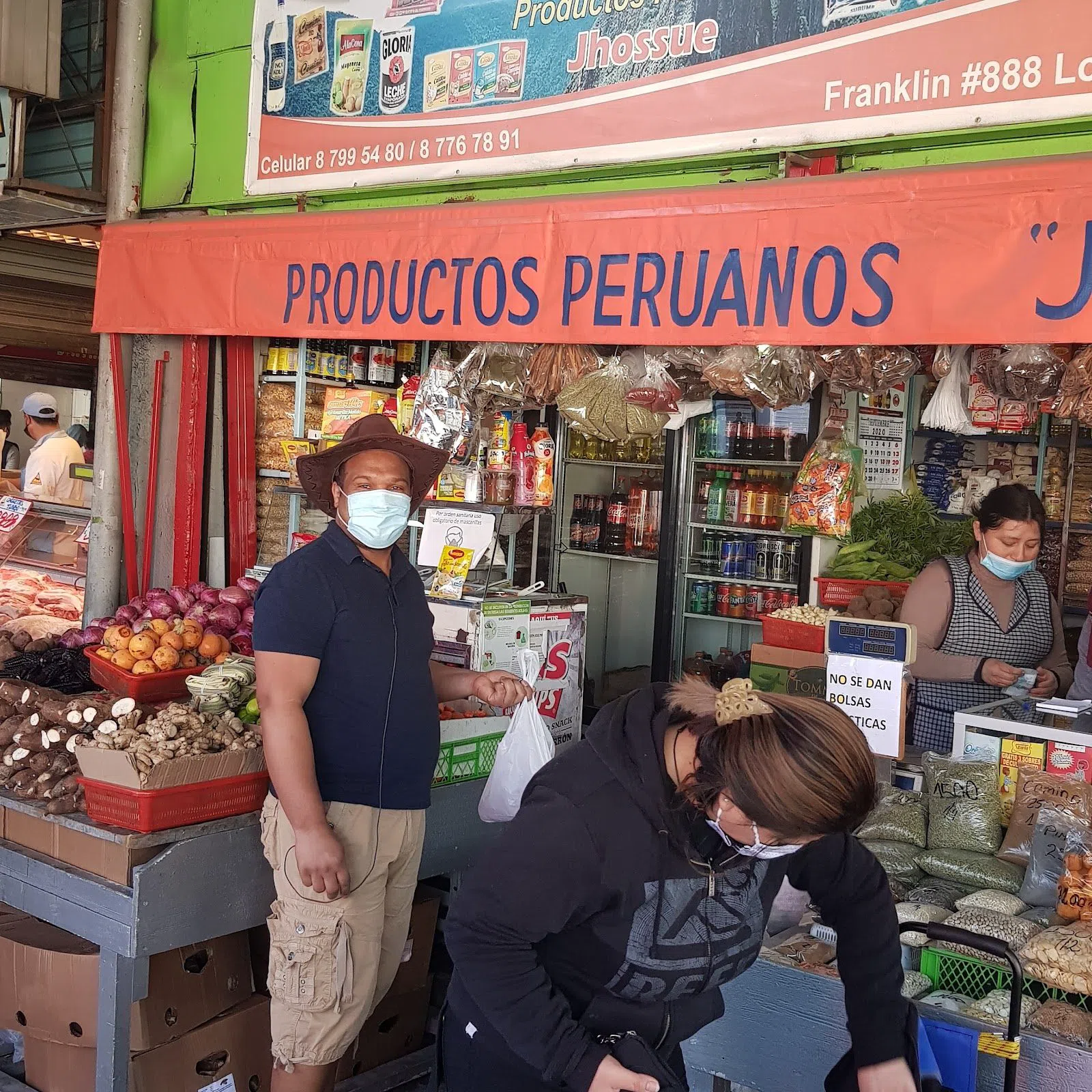
The aisles are narrow, the floor is a working butchery floor, and nobody is running tastings. You are a guest in someone's trade. Small parties only, keep moving, ask before photographing a counter. The neighbouring Persa Bío Bío flea market lost galpones to a fire in November 2025 and to closures after it, so it is not a reliable second stop right now. Plan Franklin as the market visit itself, not as the warm-up.
Before dawn at the market that supplies the rest
Mercado Mayorista Lo Valledor (Pedro Aguirre Cerda) is Chile's largest fruit and vegetable market and the supply line behind everything else on this list: more than 2,700 sales points, some 20,000 people through the gates a day, trading from 20:00 straight through to 14:00 the following day. Almost everything you saw stacked in the Vega passed through here first, usually in the dark.
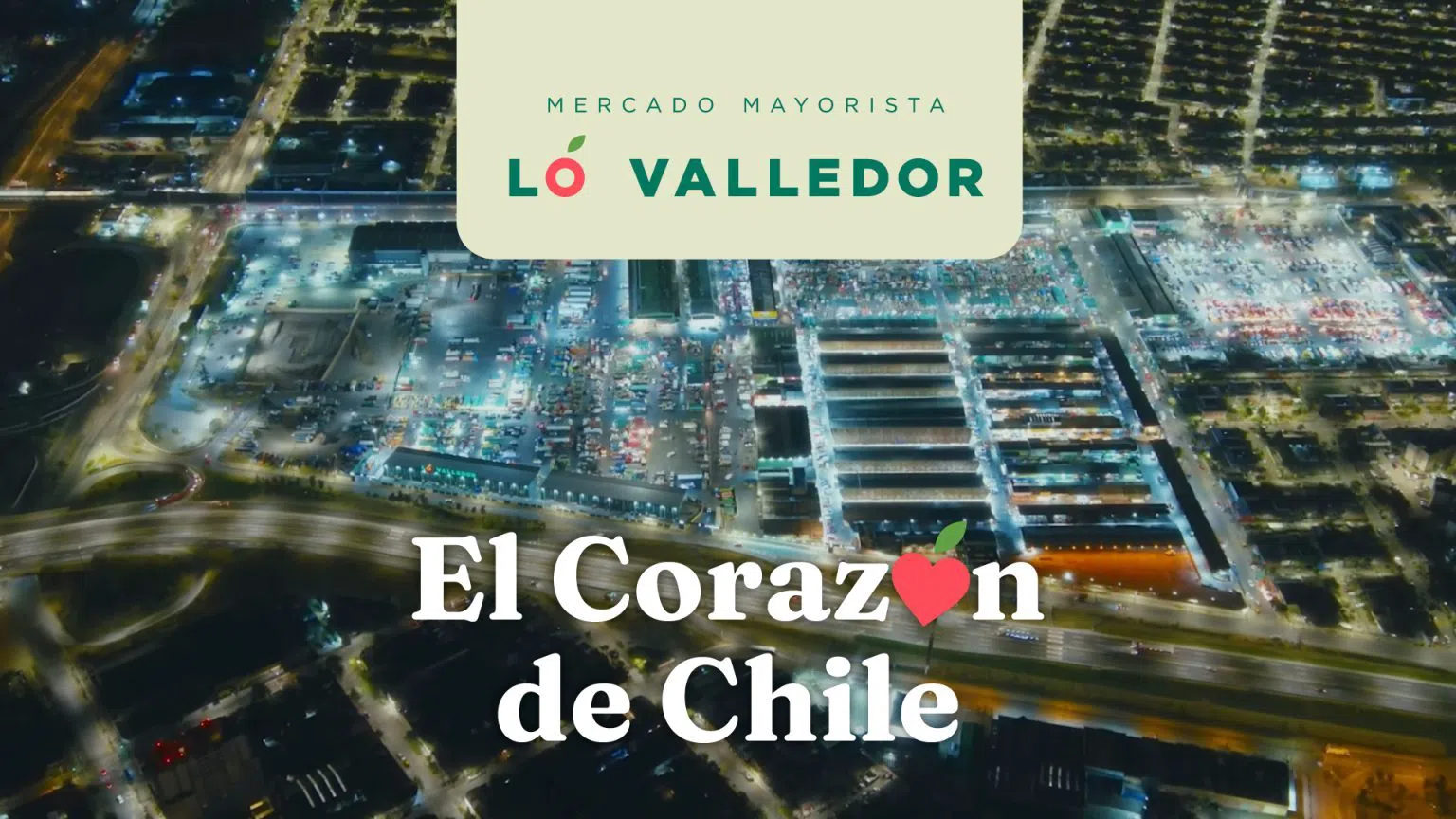
Public entry is allowed, with conditions. Every person needs ID at the gate and pays a small entrance fee. A personal shopping trolley is fine; supermarket trolleys and cargo carts are not. Prices are wholesale by the case and far below retail, which only helps you if you can genuinely use ten kilos of something. Most visitors come to watch the trade rather than buy it. Go between 04:00 and 06:00 for the market at full pressure, take a taxi or a ride-hail rather than walking in, and treat the forklift lanes as roads, because that is what they are.
Providencia's ferias for a first, calm look

Feria Santa María (Providencia) runs Thursdays and Sundays 08:00 to 15:00 along the river between Puente del Arzobispo and Los Piñones: 42 stalls with premium varieties, fresh seafood and farm dairy, at CLP 1,500 to 3,500 a kilo. It is open-air and roomy along the avenue, the most group-comfortable feria on this list, and the gentlest possible introduction if La Vega sounds like more market than you want on day one.
Feria Santa Isabel (Providencia) is its Saturday counterpart, 08:00 to 15:00 between Miguel Claro and José Manuel Infante, in the same price band and walkable from most Providencia lodging. Both are proper working ferias rather than curated markets: the stalls are stacked by the kilo, the sellers shout their prices, and you will be the only person there not carrying a bag from home. Bring one.
Ñuñoa's ferias on an ordinary weekday
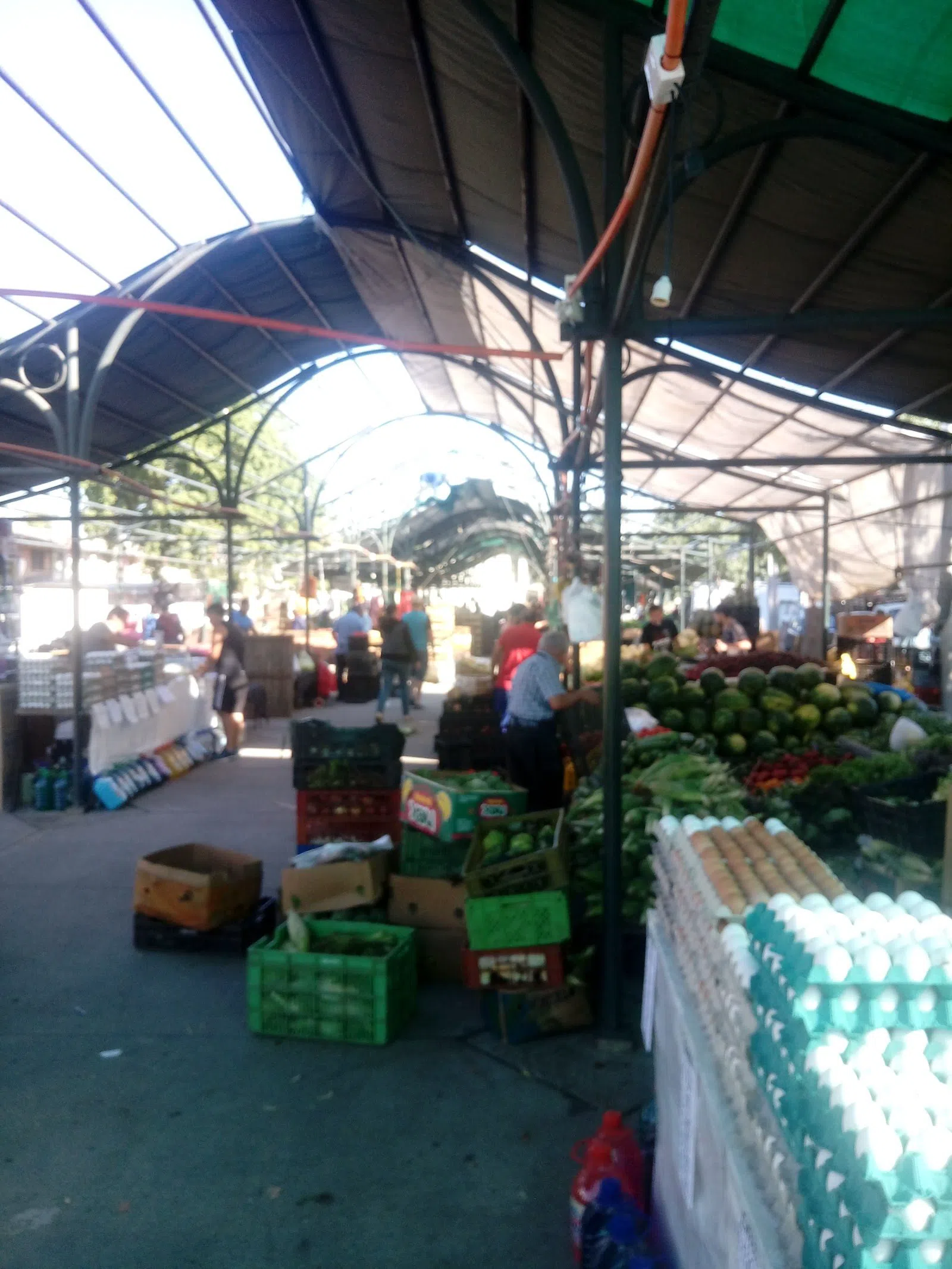
Feria Guillermo Mann (Ñuñoa) sets up Tuesdays and Fridays 08:30 to 14:30 between Pedro de Valdivia and Nelson, at CLP 1,200 to 3,000 a kilo. The street is unusually wide, so it absorbs groups better than most ferias do, and Friday is the day the seafood arrives. The Estadio Nacional gives you an obvious landmark to navigate by if the map fails.
Feria Emilia Téllez (Ñuñoa) is the smallest thing here: Wednesdays and Saturdays 08:30 to 14:30, confirmed by the Ñuñoa municipality, and purely residential. It is a street where people buy their week's vegetables from someone who recognises them. Two or three of you is fine. A group of ten would swamp it, and everyone there would know it.
Growers selling their own crop
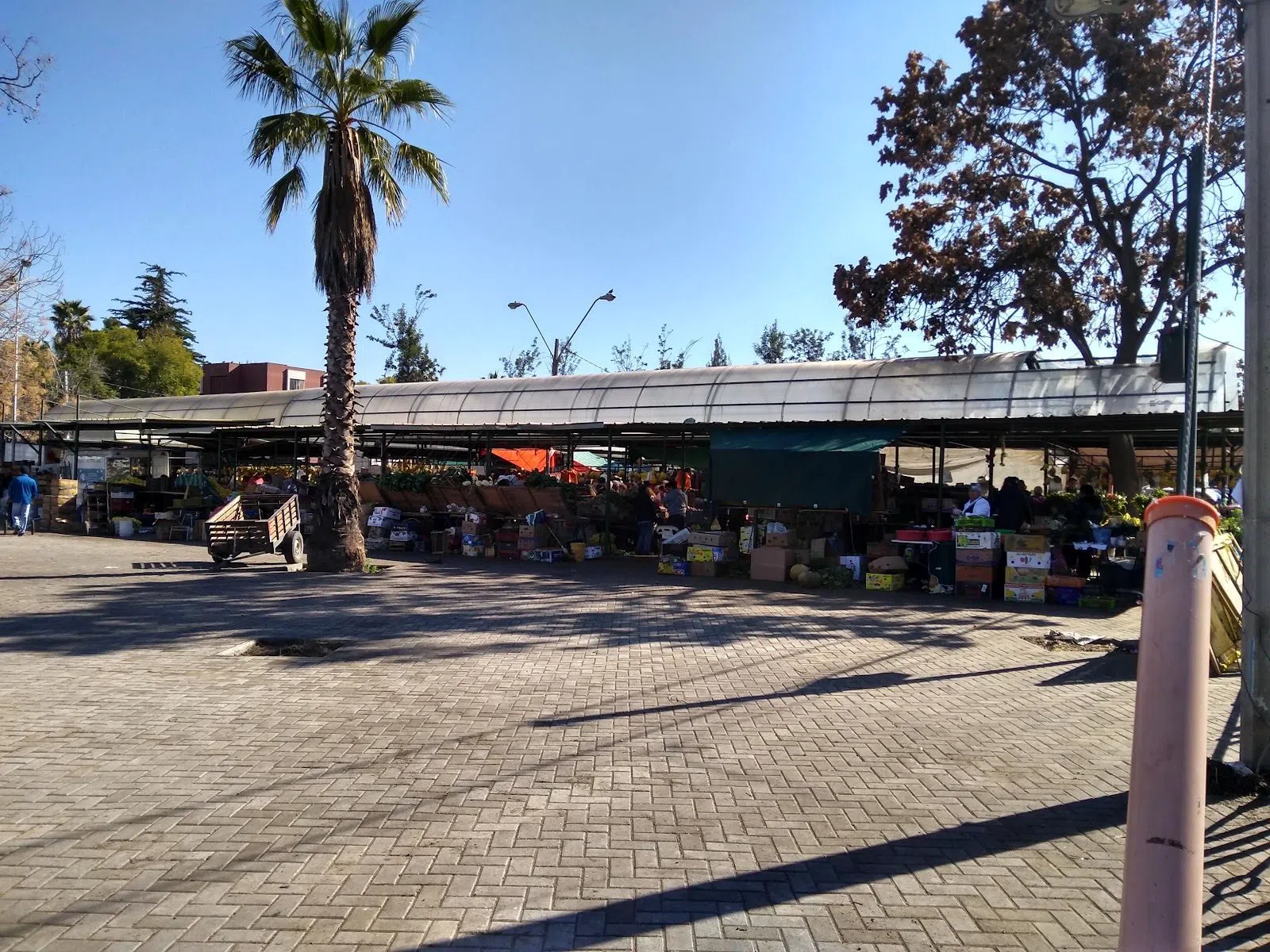
Feria Chacareros de Bilbao (La Reina) trades Tuesdays and Saturdays 08:30 to 14:30 opposite Parque Padre Hurtado, at CLP 1,500 to 3,000 a kilo. Chacareros means the smallholders themselves, and several stalls here are growers selling what they pulled out of their own ground rather than resellers moving crates bought at Lo Valledor overnight. Ask which stall grew what; the answer changes what you buy. The park across the road is the natural place for a group to regroup afterwards.
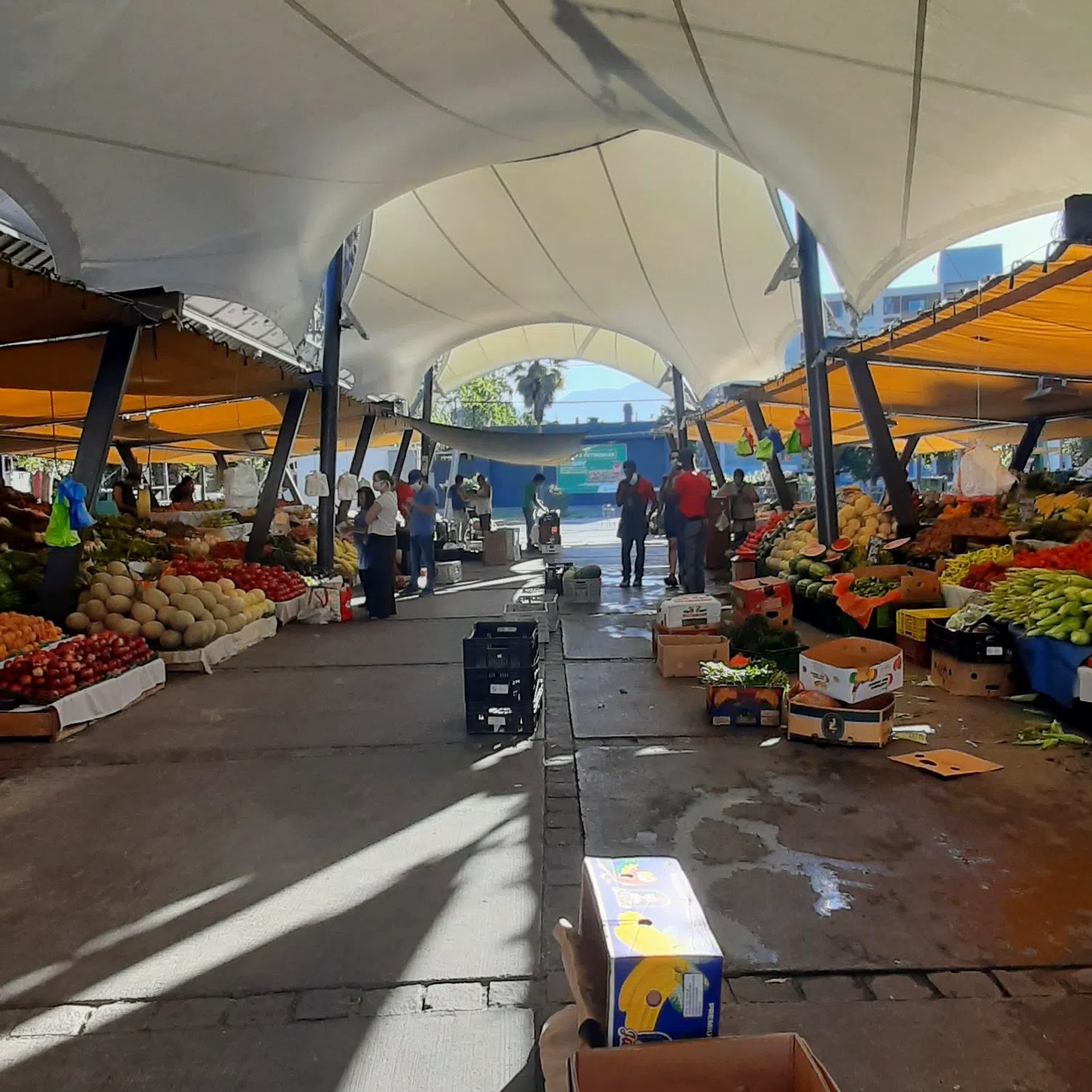
Ecoferia de La Reina (La Reina) is the one market where you can properly talk to the person who grew your food: Wednesdays and Saturdays 09:30 to 14:00 at Salvador Izquierdo with Príncipe de Gales, running for close to sixteen years now with 100% certified organic producers selling direct. Prices are premium for Chile, CLP 3,000 to 6,000 a kilo, and worth it because you can ask what was cut yesterday and get a straight answer. It is a small plaza market. A handful of people is fine; a coach party is awkward and the producers will not thank you for blocking a stall while you photograph it.
Downtown on Friday and Barrio Italia on Sunday
Feria San Camilo (Santiago Centro), formally the Feria Libre Fray Camilo Henríquez, runs Fridays 09:00 to 15:00 and is one of the largest ferias in the comuna, at CLP 1,000 to 2,500 a kilo. If you are staying downtown, this is the easiest full-scale feria to reach on foot, with no metro ride or taxi needed. It has room for groups, though Friday mid-morning is dense enough that you will still be shuffling.
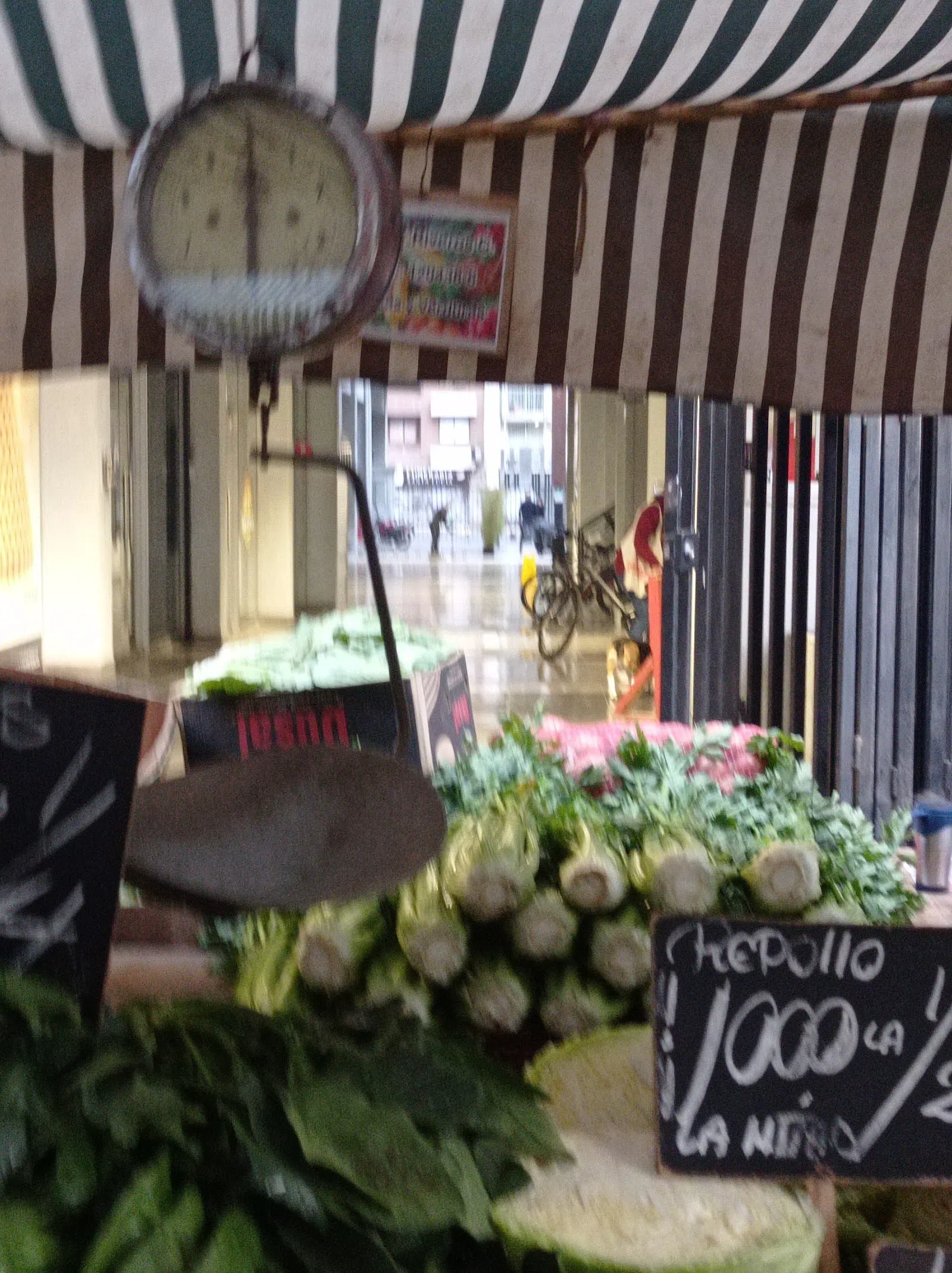
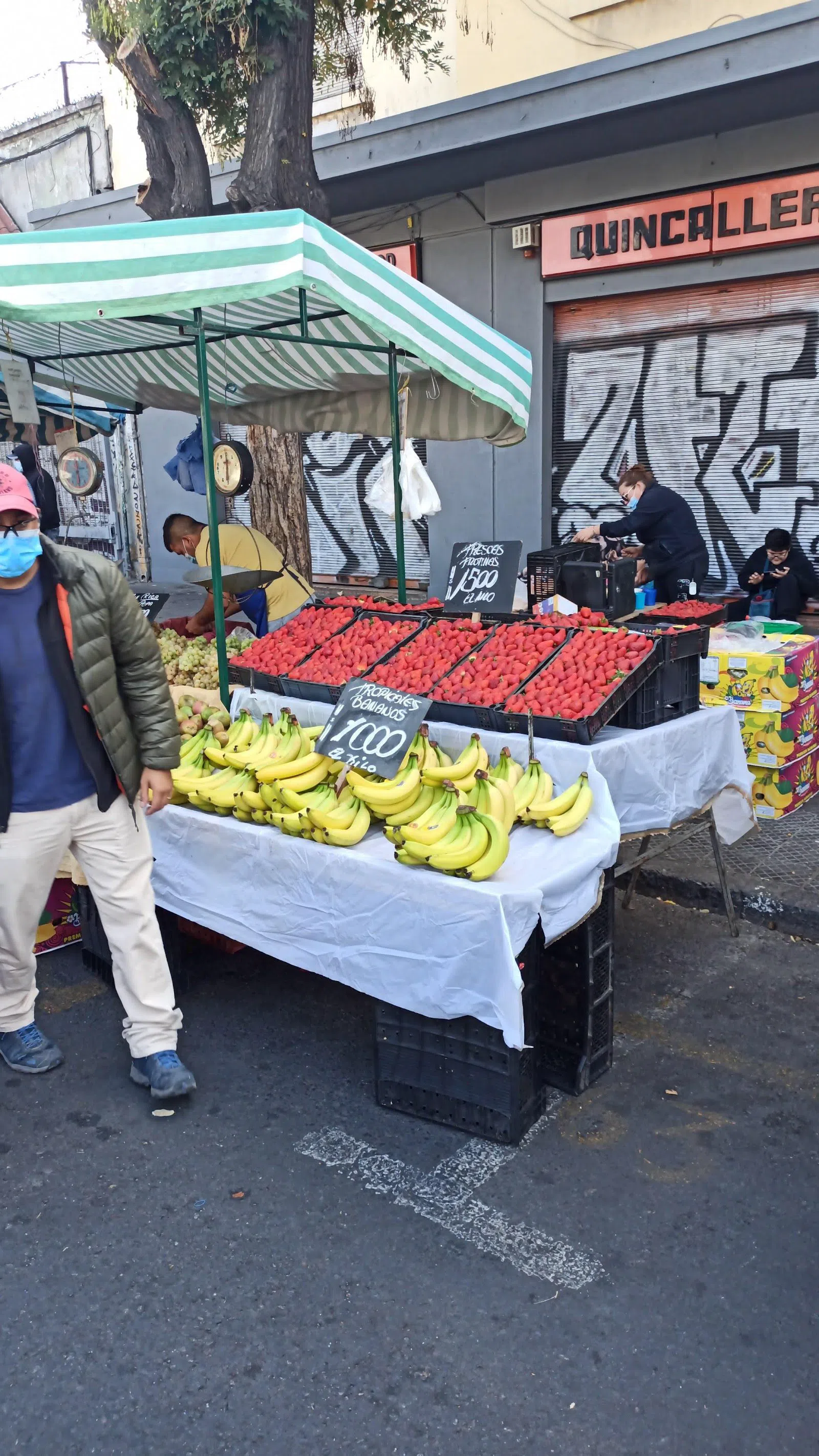
Feria Diez de Julio (Santiago Centro) takes over on Sundays, 09:00 to 16:00 per the municipality, in a street otherwise given over to car parts and upholstery shops. Same price band, a firmly working-class feria, and a natural add-on if you are already walking to Barrio Italia that morning. There is no door policy and no restriction of any kind; you are simply on a public street where people are selling potatoes.
A market week at a glance
- Tuesday: Chacareros de Bilbao, Guillermo Mann
- Wednesday: Ecoferia de La Reina, Emilia Téllez
- Thursday: Santa María
- Friday: San Camilo, Guillermo Mann (seafood day)
- Saturday: Santa Isabel, Emilia Téllez, Chacareros de Bilbao, Ecoferia de La Reina
- Sunday: Diez de Julio, Santa María
- Every day: La Vega Central, Mercado Central, Matadero Franklin, and the Vega's two eating halls
Transport, cash and timing
The metro does most of the work. Patronato or Cal y Canto on Line 2 drops you at the Vega complex; Puente Cal y Canto puts you at the door of Mercado Central; Franklin on Line 2 or Bío Bío on Line 6 serves Matadero Franklin; Lo Valledor has its own Line 6 station, though at four in the morning you want a taxi or ride-hail instead. The Providencia ferias sit a few blocks off Line 1, Guillermo Mann and Emilia Téllez are a short walk from Metro Ñuñoa, and the two La Reina markets are best reached by bus or ride-hail.
Carry cash in small notes, CLP 1,000 and 2,000, because change for a large note slows everyone down and some stalls simply will not have it. A growing number of sellers take cards or transfers, but plan as though none of them do, draw money before you set out rather than at an ATM beside the market, and bring your own bag or a small trolley. Remember that Lo Valledor requires ID from every person at the gate plus its entrance fee.
Timing decides most of it. Ferias are a morning event: arrive by 09:00 to 10:00 and you get full stalls and unhurried sellers; arrive at 13:30 and you get packing crates and the last soft tomatoes, sometimes cheap. La Vega wants you before 11:00, Mercado Central rewards an early lunch before the tour groups land, and Franklin is at its best not long after 06:30 when the butchers are laying out.
Budget is modest by any international standard. A market lunch is CLP 4,000 to 9,000 at Tirso de Molina or La Vega Chica; a proper seafood main downtown is CLP 12,000 to 25,000, with centolla well above that; and a genuine week of produce is CLP 10,000 to 20,000 at Vega prices, roughly double that if you buy organic in La Reina. Staying in Providencia or near Barrio Italia puts four of these markets inside a walk, worth weighing when you compare rooms on the Santiago hotel search.
Before you go
If I only have one morning, which Santiago market should I choose?
La Vega Central in Recoleta, before 11:00. It is open 06:00 to 19:00 daily, nine and a half hectares with more than 500 stalls, and a kilo runs CLP 1,000 to 3,000, which tells you what Chile eats. Stay an hour, then eat a CLP 5,000 to 9,000 set lunch upstairs at Mercado Tirso de Molina next door.
Is La Vega Central safe to visit?
Yes, with ordinary care. Pickpockets work the crowded junctions, so keep your phone out of sight and your money in a front pocket. The bigger practical risk is the floor, which stays wet and slick with ice and trimmings all day, so wear flat shoes with grip and do not rush. Go before 11:00, when the aisles are less packed.
Do I need cash at Santiago's markets, or will cards work?
Bring cash in small notes, CLP 1,000 and 2,000. Some stalls now take cards or transfers, but plan as though none do, and draw the money before you arrive rather than at an ATM beside the market. Bring a bag of your own too, because nobody hands out carriers at a feria.
Can a visitor get into Mercado Mayorista Lo Valledor?
Yes. Anyone can walk in, but every person needs ID at the gate and pays a small entrance fee. You can bring a personal shopping trolley; supermarket trolleys and cargo carts are not allowed. It trades 20:00 through 14:00 the next day and hits full pressure between 04:00 and 06:00, so take a taxi or ride-hail in.
Where do I eat well inside a Santiago market without paying tourist prices?
Skip the centre-nave restaurants at Mercado Central and eat at the perimeter fishmongers and edge cocinerías instead, or cross to La Vega Chica in Recoleta, where lunch is CLP 4,000 to 8,000 and the cooking leans seafood and Peruvian. Arrive at 11:30 or after 14:30, because market workers fill the benches from 12:00 to 14:00.