The Santiago issue
Reading the Andes: Santiago's Cerros and the Funiculars That Climb Them
A practical, route-by-route guide to Santiago's hills — from the funicular up San Cristóbal to the dawn scramble up Provincia — sorted by how much effort you actually want to spend.
By Rhys CallowayThe city on foot — cerros, barrios and the hours that matter
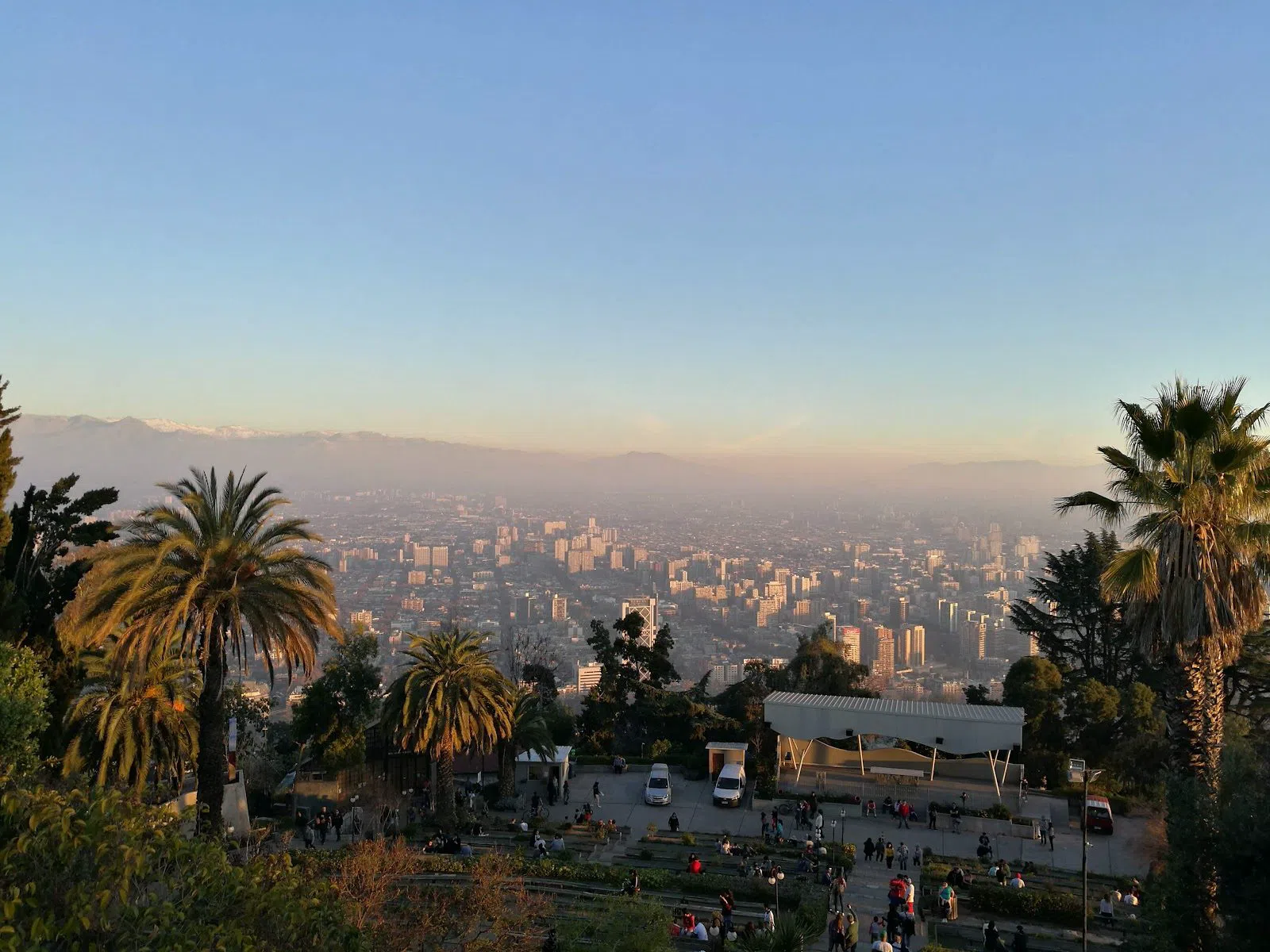
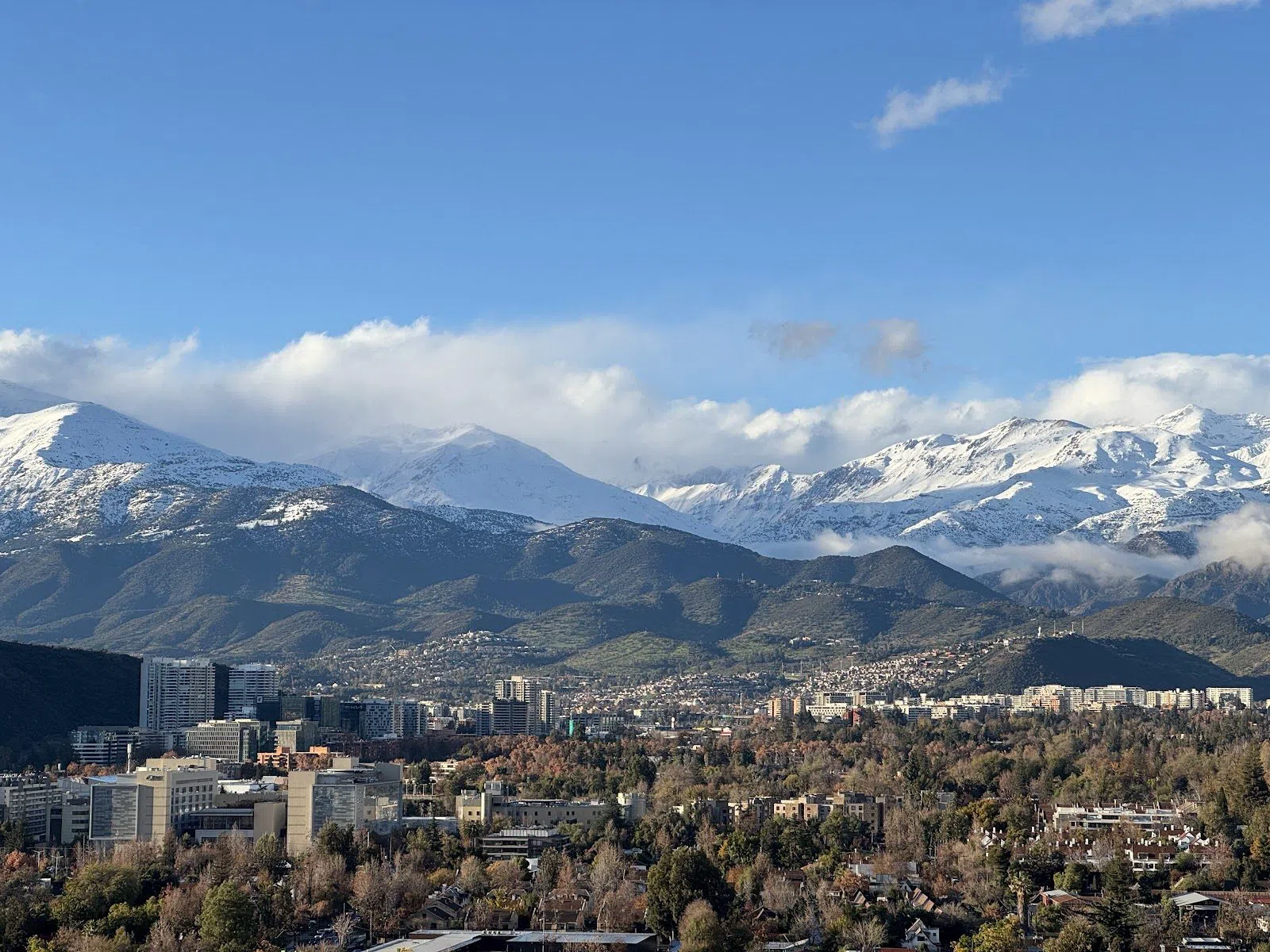
Santiago is a city you read vertically. The Andes stand it against a wall to the east, the smog settles into the basin on still winter mornings, and the only honest way to understand the sprawl is to get above it — which is why the locals keep climbing cerros, the isolated hills that break the flat grid like knuckles. Some you ride up on a hundred-year-old funicular; some cost you a dawn start and two litres of water. This guide sorts them by effort, not by hype, so you can match a hill to the day you've actually got.
The easy centre: hills you can walk before lunch
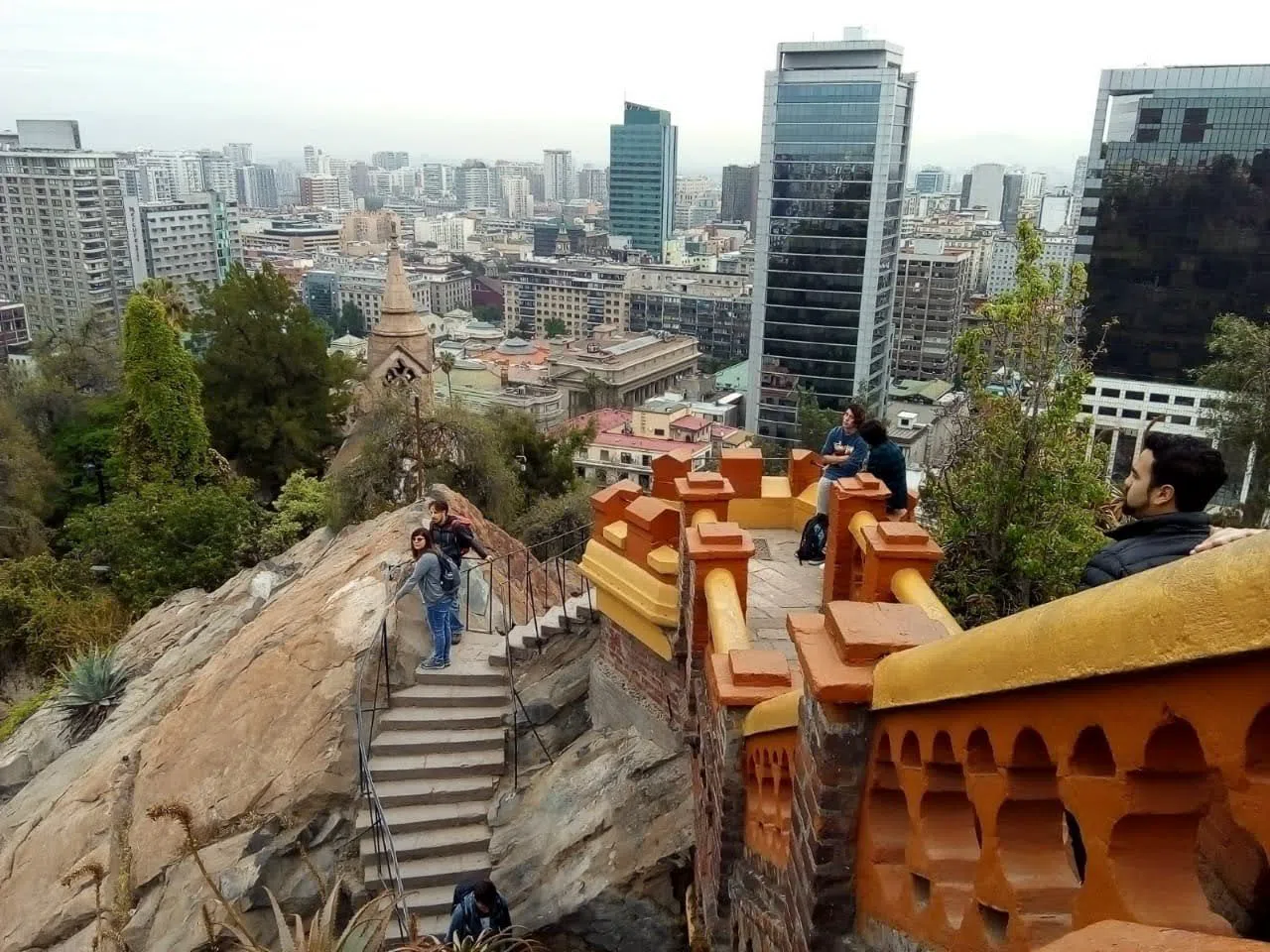
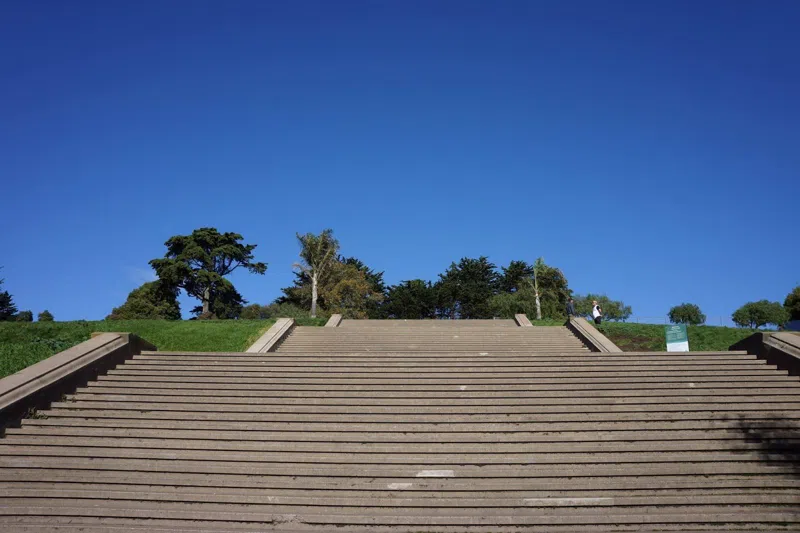
Start with the one you can reach on foot from most downtown hotels. Cerro Santa Lucía (Centro, beside the Lastarria quarter) is a free public hill dropped straight into the middle of the city, a landscaped rock with stone staircases, a chapel and a fortress terrace on top. There is essentially one main path to the summit, so on weekends and clear afternoons it clogs — go earlier rather than later and climb right up to the Terraza Caupolicán for the payoff view over the rooftops to the mountains. It suits everyone: couples, families, a group of any size. There's no door policy and no ticket, just a register you may be asked to sign at the gate. Budget 30–45 minutes up and back if you don't linger, more if you do. Weather note: this is a fair-weather climb. On a grey, hazy day the view is a flat white smear and you'll wonder what the fuss was — pick a day after rain or wind has scrubbed the basin clear.
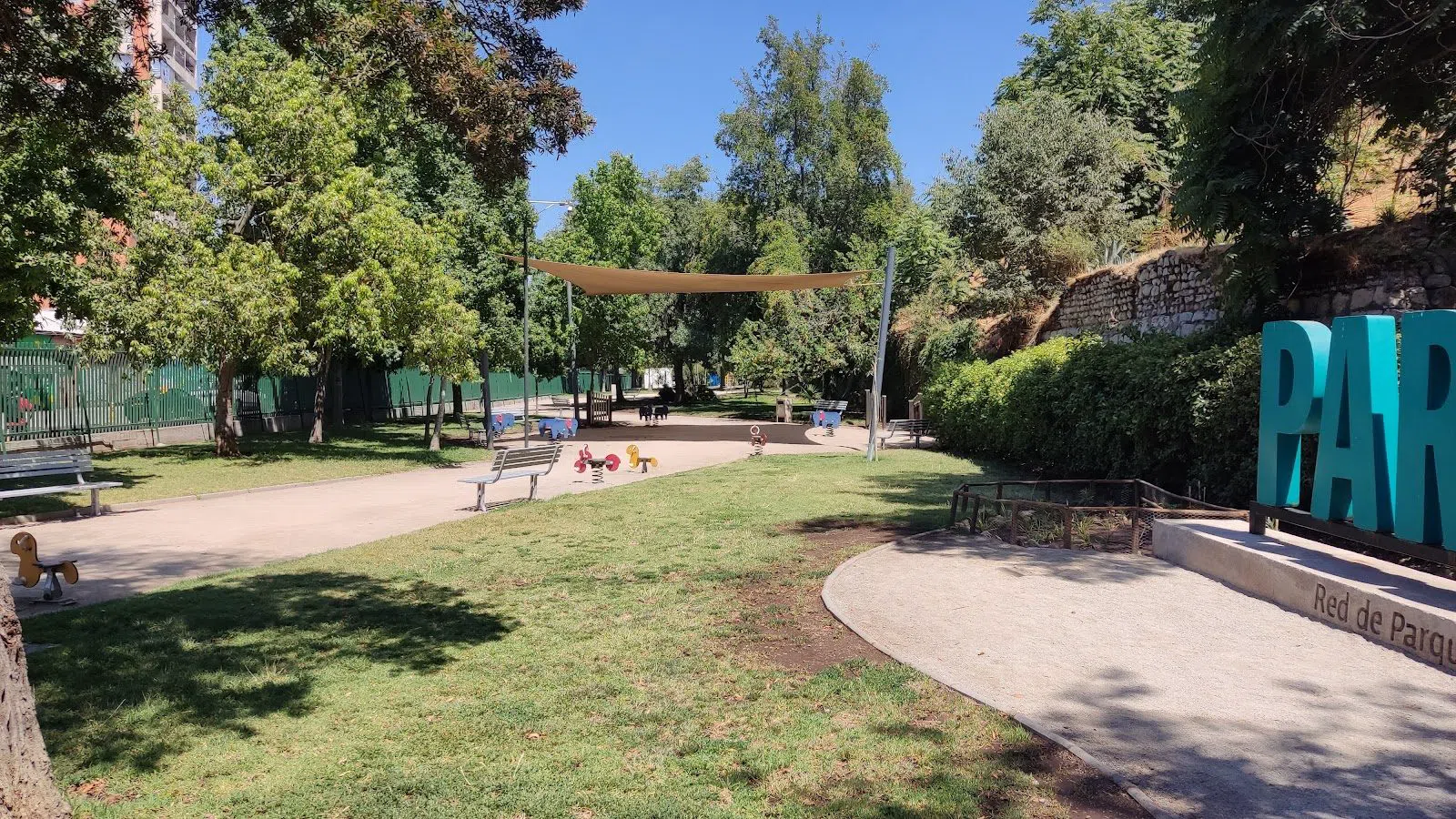
Across the river, Parque Cerro Blanco (Recoleta, right beside Metro Cerro Blanco) is the low-effort alternative and a more honest slice of the city. It's a free neighbourhood park with a designed lookout, a short climb in a gritty, lived-in barrio rather than a polished tourist set-piece. Don't expect the manicure of the centre; expect a genuine local hill with a decent view and very few other visitors. It's easy enough for groups and takes almost no effort, which makes it a good ten-minute detour rather than a destination in itself. Pair it with the Recoleta Dominica heritage centre nearby and you've built a half-morning out of a neighbourhood most guides skip entirely.
Plan your Santiago trip
Live prices from our booking partners.
Free cancellation on many rooms. We may earn a commission when you book.
The definitive climb: San Cristóbal and the funicular
If you do one hill, do this one. Cerro San Cristóbal (Bellavista, inside the vast Parque Metropolitano) is the definitive Santiago viewpoint, a hilltop park so big it functions as the city's back garden. The move here is simple and worth doing properly: go up by the funicular and come down by the teleférico cable car, so you get two different angles on the basin in one visit. The park itself is free; the funicular and cable car run as ticketed rides, roughly CLP 2,000–5,000 (about US$2–6) for a round trip depending on the combination you buy. It's a big public space with no door policy at all — it swallows families, school trips and full tour-bus groups without blinking, and the funicular and teleférico carry them all day.
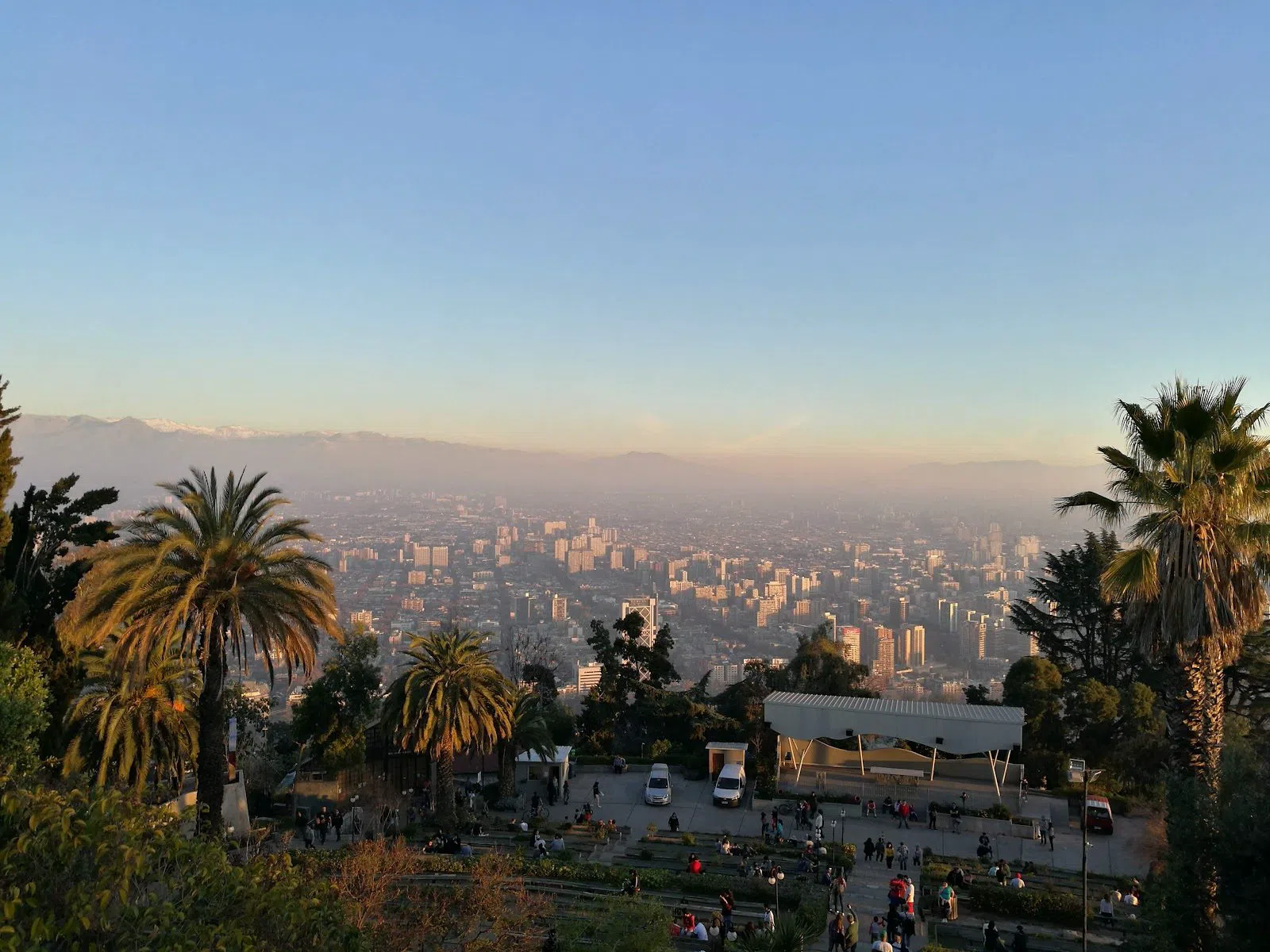
Mind the hours, because they're particular. The funicular and cable car run Tuesday to Sunday from 10:00, but on Mondays they don't start until 13:00, and the first Monday of every month the whole system closes for maintenance — turn up that morning and you'll be walking. The walk up is doable and free if the machinery's down or the queues are long, but it's a proper haul in the sun, so carry water either way. This is a group-friendly, all-ages hill; the only real planning it demands is checking the day of the week before you commit an afternoon to it.
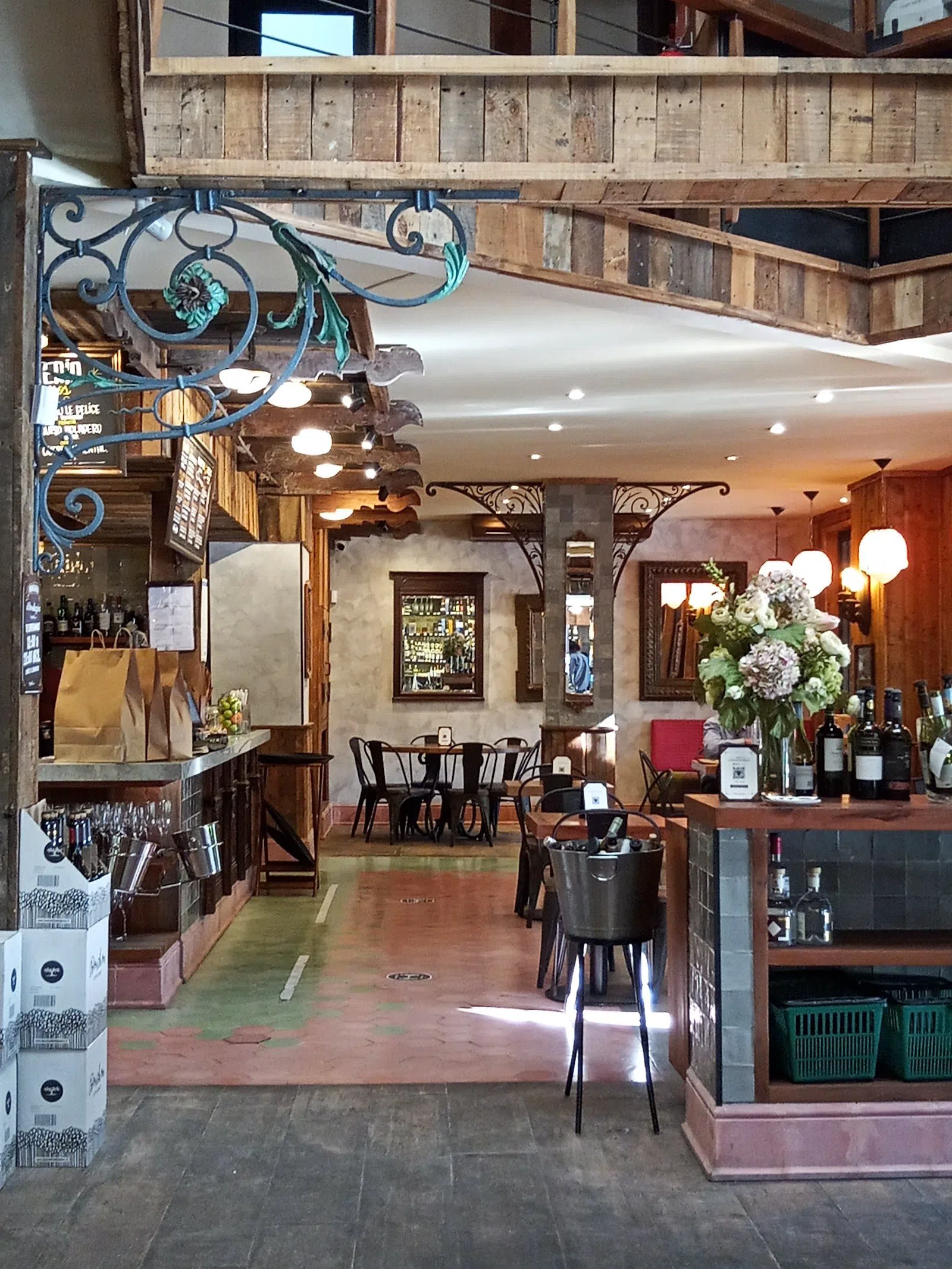
Up top, you don't have to earn the view on your feet. Enoteca del Cerro San Cristóbal (on the hill itself, inside the Parque Metropolitano) is a restaurant, events centre and skybar-terrace built to take in the same panorama over a glass of Chilean wine. Mains sit in the CLP 15,000–25,000 range (roughly US$16–27), so it's a mid-to-high sit-down rather than a snack stop, and it comfortably handles groups — but reserve, especially for dinner and above all for a sunset table, which is when it fills and the light does its best work. This is the civilised way to enjoy San Cristóbal: let the funicular do the climbing, let the terrace do the view, and don't pretend you hiked for it.
Higher, without the walk: the observation deck
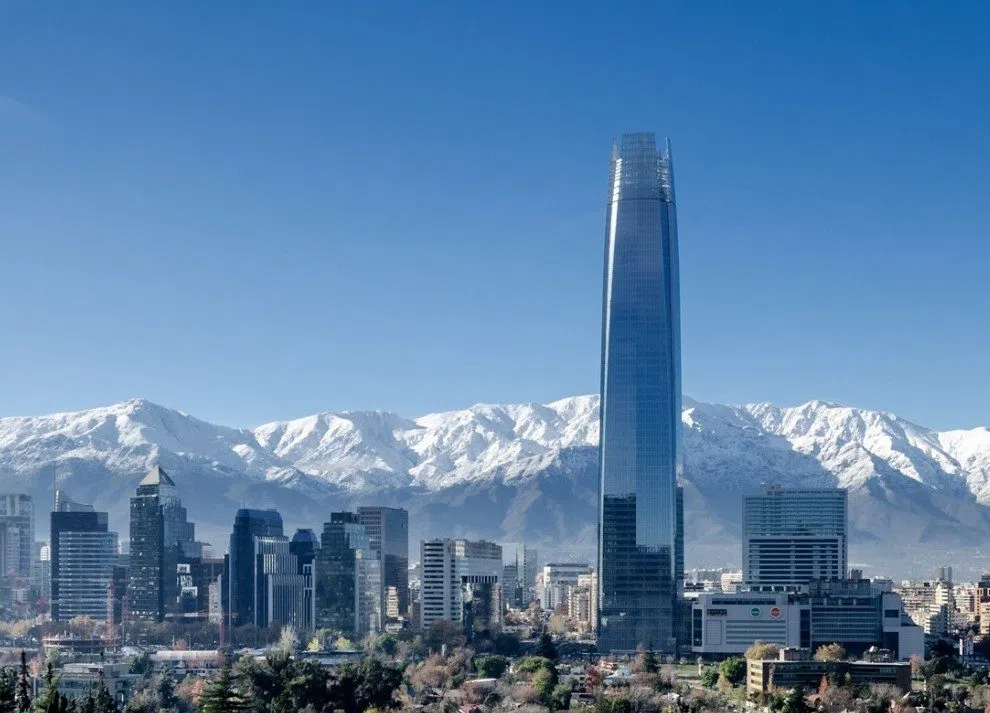
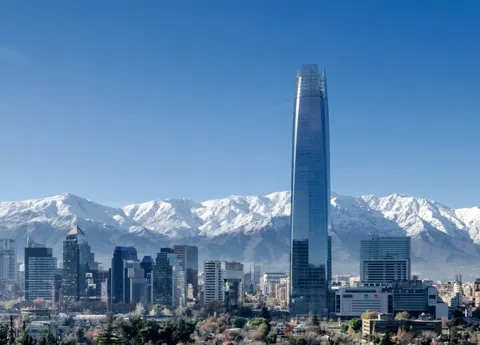
Not every high point in the region is a cerro. Sky Costanera (Providencia, atop the Costanera Center tower) is the highest urban viewpoint around, a ticketed observation deck rather than a hill — no climbing, no weather-dependent path, just a lift and a 360-degree view. Entry runs about CLP 15,000–18,000 (US$16–19), which makes it the most expensive view in this guide, and it's built to process large groups and tour parties efficiently. It's open daily 10:00 to 22:00 with last entry at 21:00, and the honest advice is to go at sunset: you get the city lit gold and then the grid switching to lights as the sky drops. Those sunset and night slots sell out, so book ahead rather than rolling up. If you want a guaranteed view on a day when the cerros are hazy or the funicular's shut, this is the reliable, weatherproof fallback — you're paying for certainty and altitude, not for the romance of a climb.
The real hikes: the eastern wall
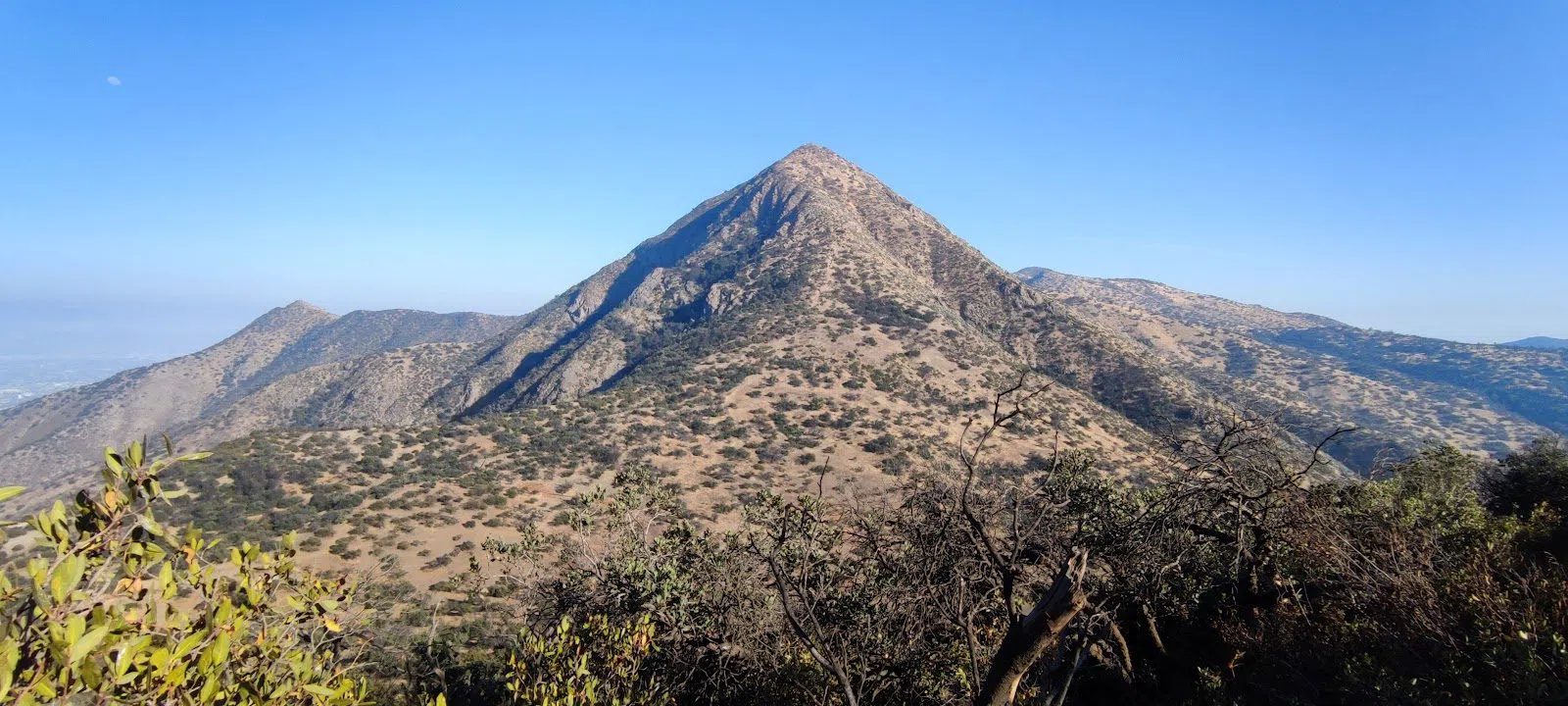
This is where the effort scales up sharply, so read the caveats before you lace up. Cerro Manquehue (the Vitacura and Las Condes foothills) is the best big-view day hike close to the city — a demanding, steep, rocky climb that rewards you with the finest urban-Andes panorama on this list. It's open access with no booking; just go early on weekends before the sun and the crowds arrive. It's free to self-guide, though guided group tours run roughly US$40–70 if you'd rather not navigate. Take this one seriously: bring at least 2 litres of water and proper shoes, because the last stretch is loose and steep and trainers won't cut it. It suits fit walkers and confident groups, not a casual after-lunch stroll.
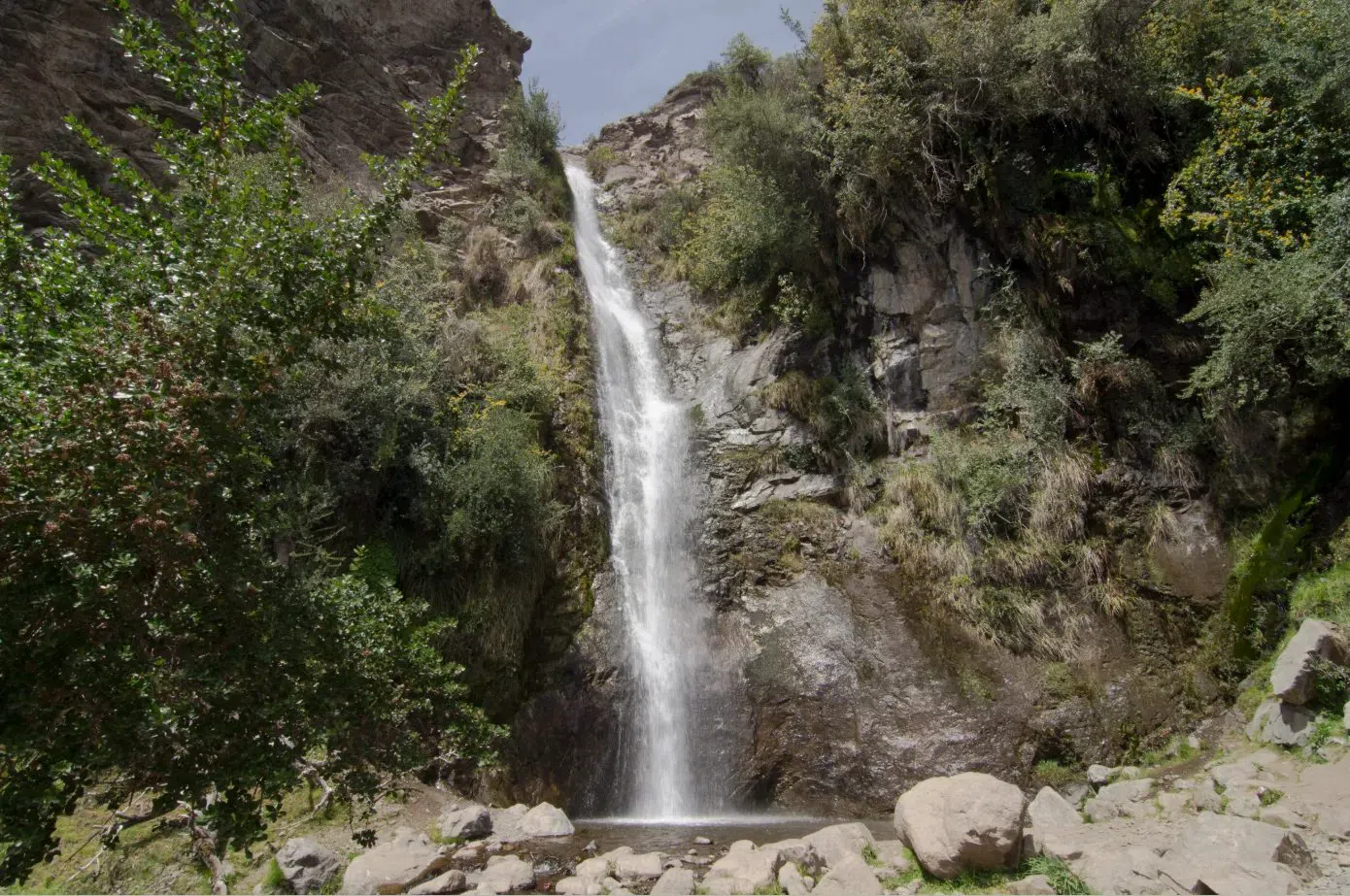
A gentler entry to the foothills is Parque Natural Aguas de Ramón (La Reina), a ticketed nature park with staffed entry, marked trails and — crucially — strict cut-off times you must respect. Entry is about CLP 3,450 for adults (US$3.70). The Los Peumos loop delivers easy foothill viewpoints and a waterfall, which makes it good for families and mixed-ability groups. The park is open daily 08:00 to 18:00, but the timing is not a suggestion: you must check in by 10:00 and clear the second crossing by 11:00, or the rangers turn you back. Treat it as a morning outing, not an afternoon one — arrive late and you simply won't be let onto the full loop.
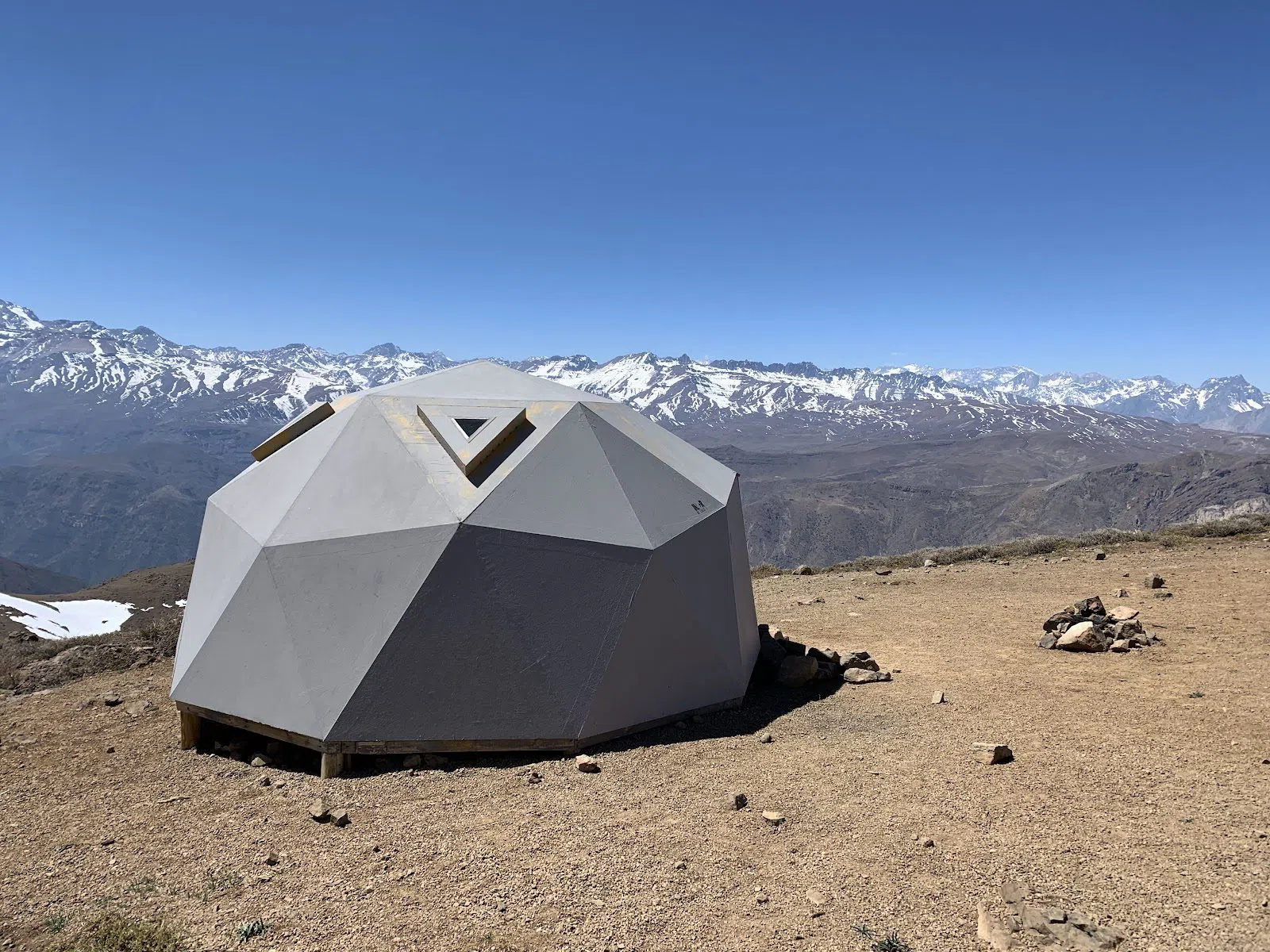
At the far end of the effort scale sits Cerro Provincia (accessed from Puente Ñilhue in the eastern foothills), and I'll be blunt: this is not for casual visitors. It's a serious summit — roughly 18 km and about 10 hours round trip — for genuinely fit hikers only, with no shade and long stretches of loose rock. Start at dawn, because you do not want to be descending that terrain in the dark or the afternoon heat. It's free with open access, but most people who summit it sensibly go with a guided operator — Puma Adventures and AllMountain both run it, with full-day guided trips around US$70–120. If you're not already a hardened hillwalker with a full day and a dawn alarm, admire it from Manquehue instead and come back another trip.
Off the tourist track: north and after dark
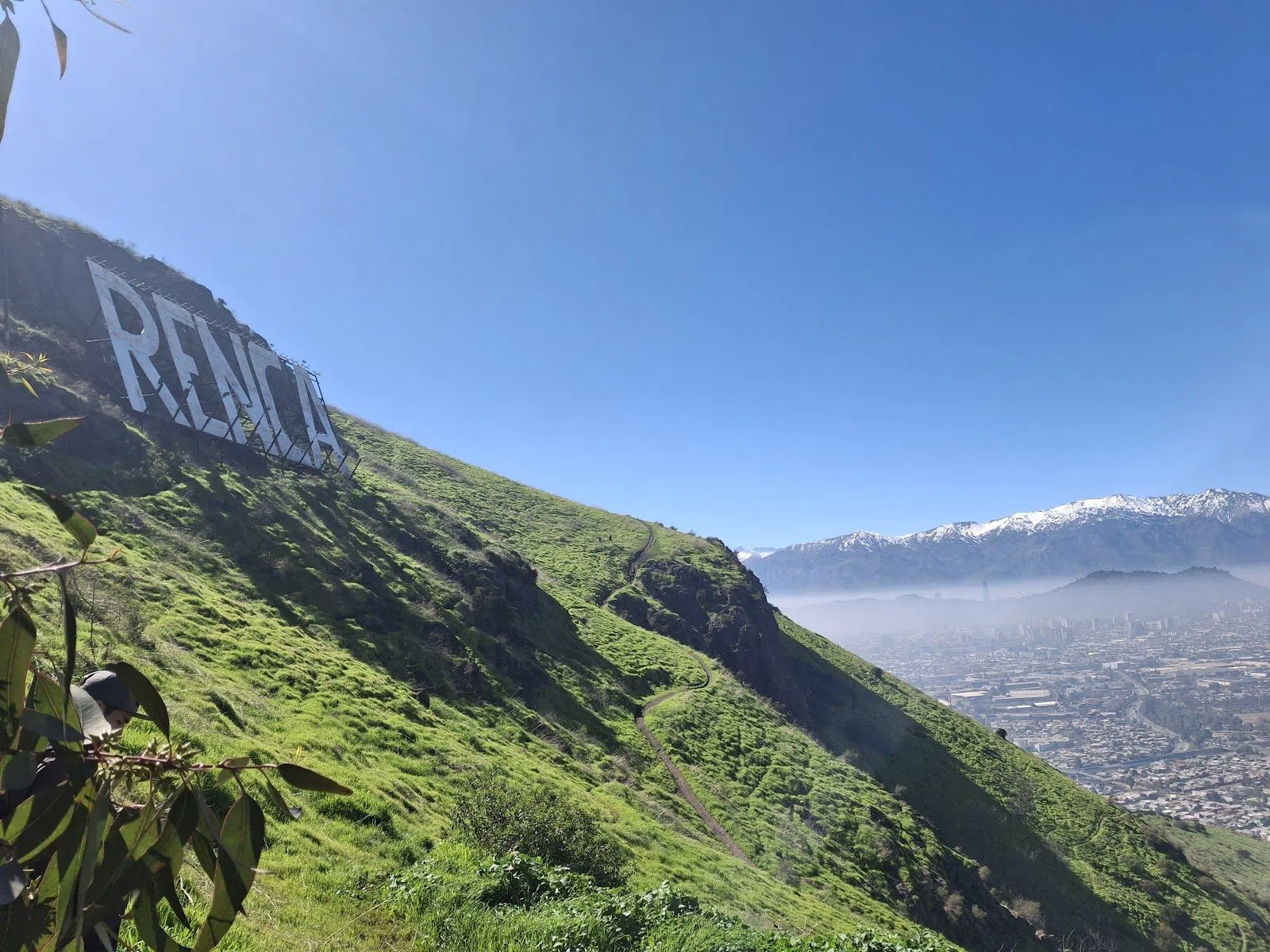
For a hill without the crowds, cross to the northern side of the basin. Parque Cerros de Renca (Renca) is a municipal metropolitan park with marked trails, rest miradores and — a genuine novelty — a cave on the route up. It's a less-touristy cerro that's fine for groups, a moderate outing of roughly 4.5 km taking two to two-and-a-half hours. It's free, but the one thing to check is the park's posted hours before a late start; municipal parks here close their gates earlier than you'd expect, and there's no funicular to bail you out. This is the pick for a walker who's already done San Cristóbal and wants a quieter, more local half-day.
For something entirely different, climb a hill after dark. Parque Observatorio Cerro Calán (Las Condes) combines a hilltop park — open to all in daytime, free — with Chile's national observatory, run by the University of Chile. The draw is the booked night stargazing tours, ticketed at roughly CLP 5,000–10,000 and run for groups. The catch is the calendar: night tours operate only March to May and September to January — none in February, none from June to August — so this is a seasonal, plan-ahead outing, not a spontaneous one. Book well before you turn up. On a clear night in season, in a country that owns some of the planet's best dark skies, it's a genuinely different way to end a day of climbing hills — you spend the daylight looking down at the city and the night looking up.
Practical notes
Getting around: the Metro is the backbone and reaches most of these — Cerro Blanco has its own station, Santa Lucía is a short walk from the centre, and Sky Costanera sits on top of a mall well served by the network. For the eastern-wall hikes (Manquehue, Provincia, Aguas de Ramón) the Metro only gets you close; you'll want a taxi or ride-hail for the last stretch to the trailheads, and Provincia in particular means an early car to Puente Ñilhue. Renca is northern and less connected — check your route before setting out.
Cash: carry some Chilean pesos. The funicular and cable car, park entries like Aguas de Ramón, and the smaller ticketed items don't always want to fuss with a foreign card, and the guided hike operators quote in dollars but settle locally. Prices in this guide are 2026 figures and move a little with season and demand.
Timing and weather: the single biggest variable is air clarity. Santiago's basin traps haze, worst on still winter mornings, so the difference between a spectacular view and a flat grey one is often just the weather the day before. Go up after rain or wind. Start hikes at dawn in summer for shade and cooler rock, and always check opening hours the same day — San Cristóbal's funicular shuts the first Monday monthly, Aguas de Ramón enforces morning cut-offs, and Cerro Calán's night tours only run in season.
Budget: the free hills (Santa Lucía, Cerro Blanco, Manquehue, Provincia, Renca) cost nothing but effort and water. Reckon on roughly CLP 2,000–5,000 for the San Cristóbal rides, about CLP 3,450 for Aguas de Ramón, CLP 5,000–10,000 for a Cerro Calán night tour, and CLP 15,000–18,000 for Sky Costanera. A sit-down at the Enoteca or a guided full-day hike is the splurge tier. You could climb every free cerro on this list for the price of one deck ticket — which tells you where the real value in Santiago's hills sits.
Sort your base first — the Santiago hotel search covers the central and Providencia neighbourhoods that put most of these cerros within reach — and for everything beyond the hills, the wider Santiago guide picks up where this one stops.
Before you go
Which Santiago cerro is best if I only have time for one?
Cerro San Cristóbal. Go up by funicular and down by the teleférico cable car for two different views of the basin. The park is free and the round-trip rides run about CLP 2,000–5,000. Just avoid the first Monday of the month, when the funicular closes for maintenance, and note it only starts at 13:00 on other Mondays.
How much does the San Cristóbal funicular cost?
A round trip on the funicular and/or teleférico cable car runs roughly CLP 2,000–5,000 (about US$2–6) depending on the combination you buy. The Parque Metropolitano itself is free to enter, and you can walk up for nothing if the rides are shut or the queues are long.
Are Santiago's cerros suitable for families and groups?
Several are. Cerro San Cristóbal, Cerro Santa Lucía, Parque Cerro Blanco and Parque Natural Aguas de Ramón all take families and groups of any size with no door policy. The serious hikes — Cerro Manquehue and especially Cerro Provincia — are steep, rocky and for fit walkers only, so match the hill to your group.
What's the best time of day and year for the views?
Air clarity is everything: Santiago's basin traps haze, worst on still winter mornings, so climb after rain or wind for a sharp view. Sunset is best at Sky Costanera and the Enoteca terrace. Cerro Calán's night stargazing tours only run March–May and September–January.
Do I need to book anything in advance?
The free hills need no booking. But reserve sunset tables at the Enoteca del Cerro San Cristóbal, book Sky Costanera's sunset and night slots before they sell out, book Cerro Calán's seasonal night tours ahead, and arrive at Aguas de Ramón by 10:00 to make the 11:00 crossing cut-off.