The Santiago issue
Maipo Valley Wine Country
Chile's oldest wine valley sits close enough to Santiago for a single day out — but which of its twelve estates you pick decides whether you get a coach-tour blur or a memorable glass.

By Anaïs LefèvreMarket stalls, corner cafés and the dish worth crossing town for
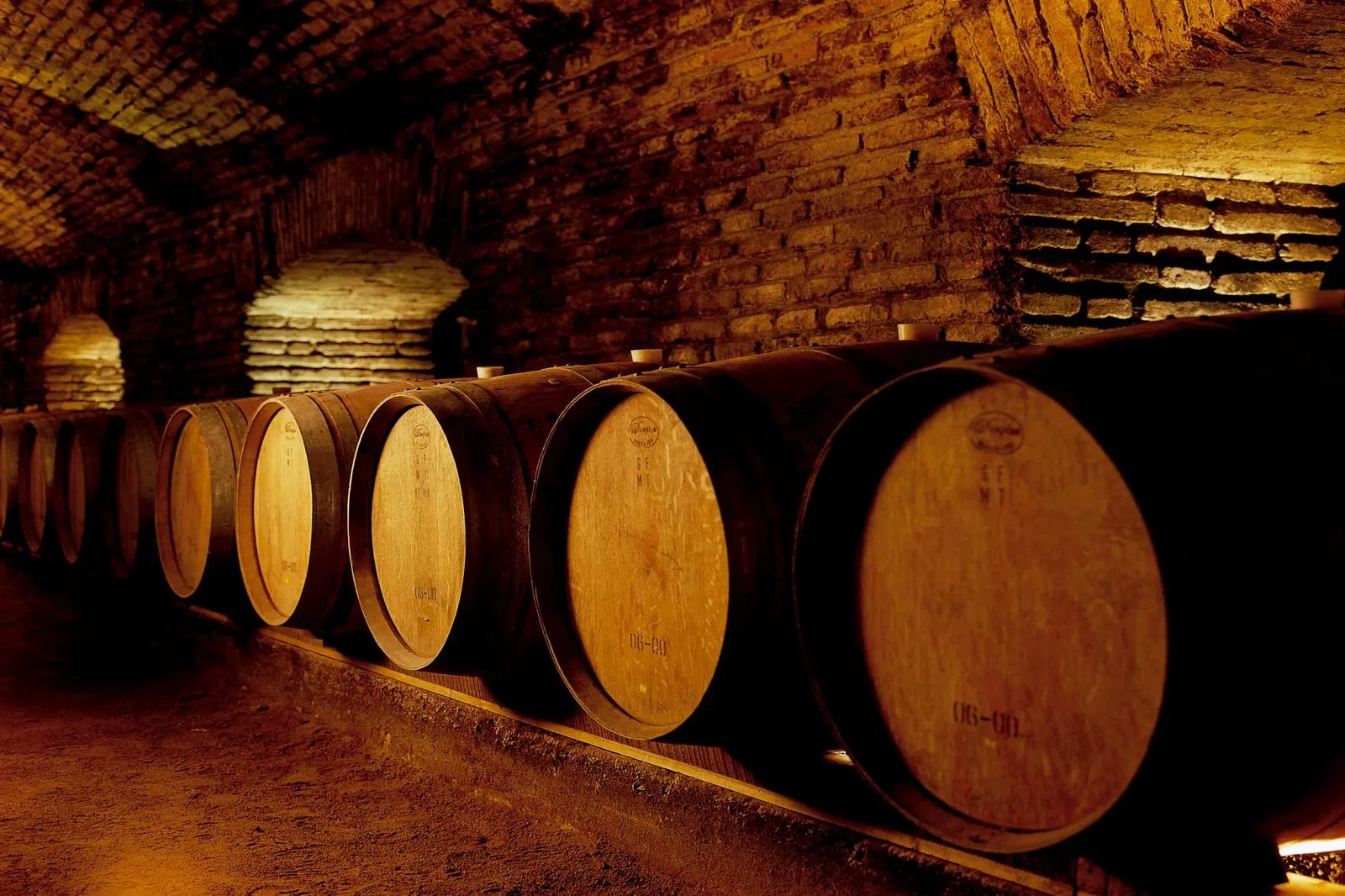
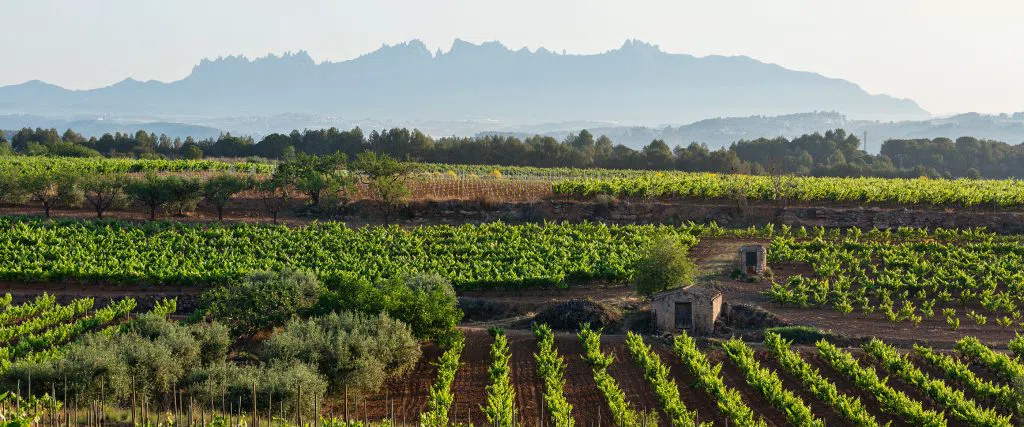
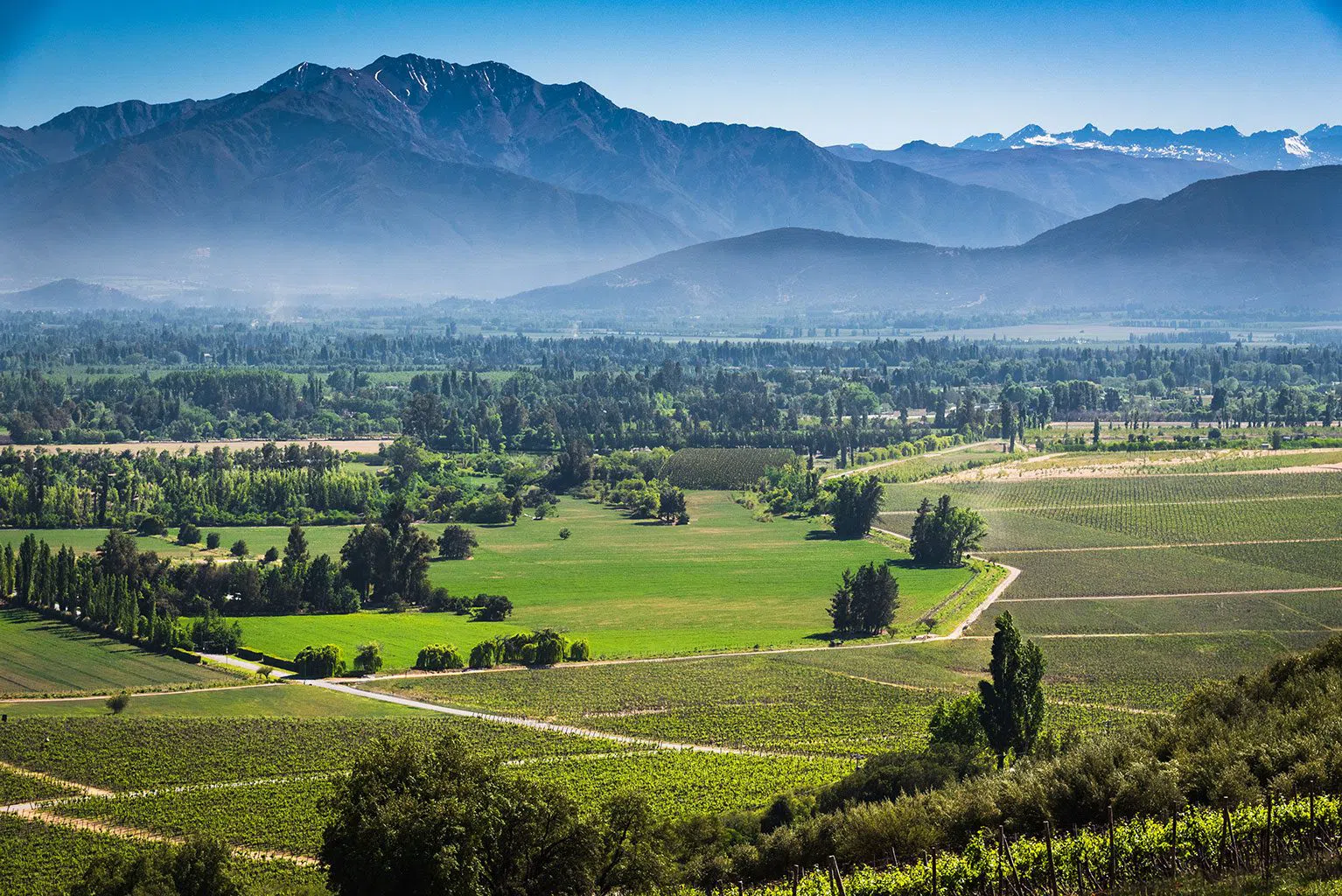
The road out of Santiago climbs just far enough to shake off the smog before it drops into a valley the color of dried tobacco and new leaf, vine rows fanned out against the Andes like the teeth of a comb. Maipo is Chile's oldest wine region, the one that put the country's Cabernet Sauvignon on tables from London to Tokyo, and it starts close enough that you can taste a 2026-release Carmenère and still be back in the city for dinner. This is not one winery but a whole valley of them, from tour-bus cathedrals to a four-person appointment behind a locked gate, and picking the right mix is the difference between a rushed tick-box day and one you actually remember.
The Big Two: Where Everyone Starts
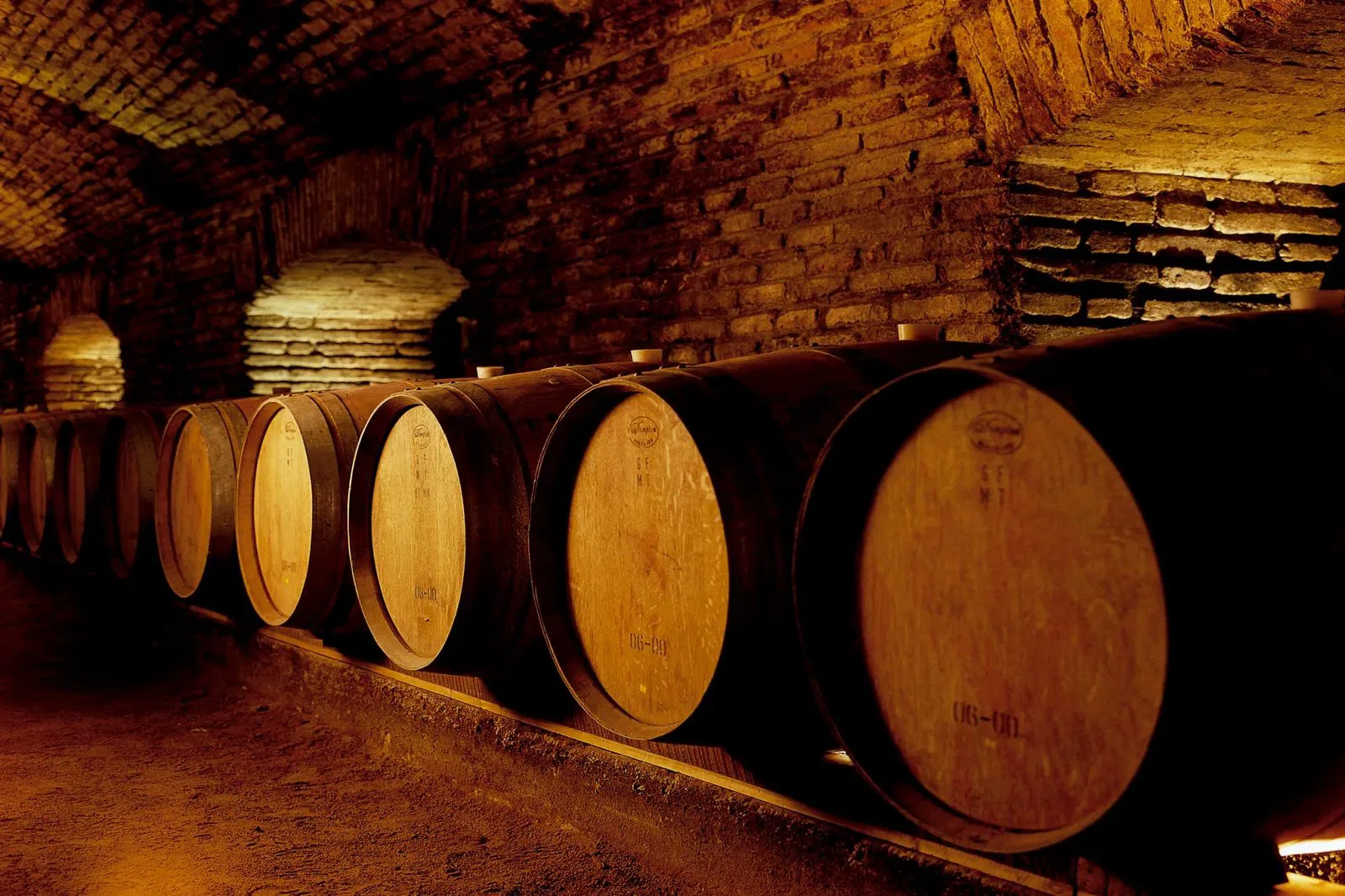
Viña Concha y Toro (Pirque) is the name most people say out loud before they've researched anything else, and it earns that reflex. It's Chile's most recognizable wine label, and its Pirque estate — the Casillero del Diablo cellars, complete with the "devil's cellar" legend guides tell in five languages — is built to absorb a coach at 11am and another at 2pm without anyone feeling herded. Tours run multiple times daily in English, from a $35 USD basic walk-and-taste to a $70 USD tier that adds reserve pours and a proper sit-down flight. It's more theme park than farmhouse — expect a gift shop, timed departures, and a crowd — but for a first stop, or for a group with mixed interest levels, it's the easiest yes in the valley.
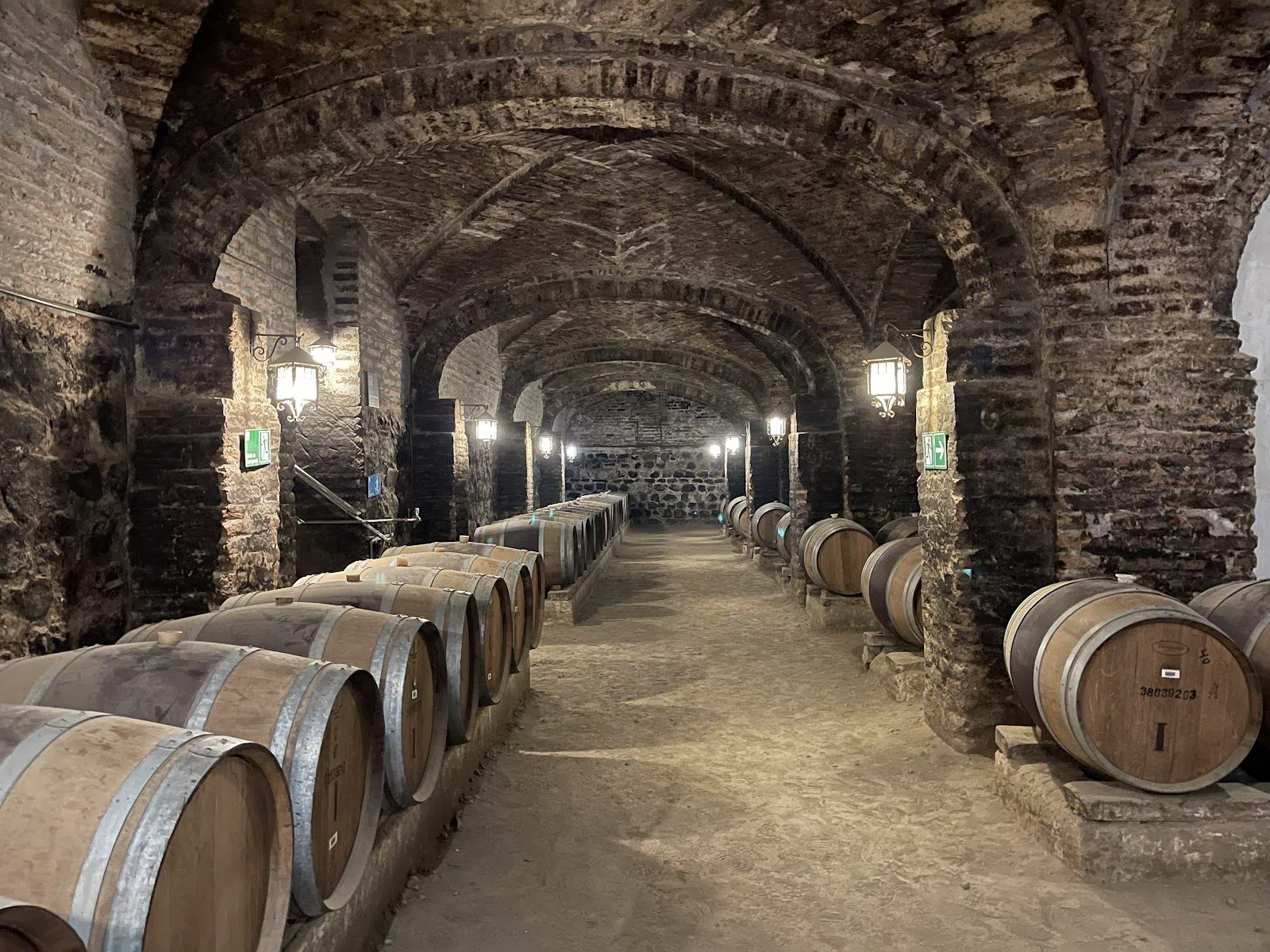
Viña Santa Rita (Alto Jahuel, Buin) does the same big-group job with a different hook: history. The estate's founder sheltered Bernardo O'Higgins and 120 soldiers here after a defeat in Chile's independence war, and the on-site Andean museum — pre-Columbian ceramics, textiles, funerary pieces — is worth the stop even for readers who don't care about tannin. Tours range from the $30 USD Classic (cellar, gardens, two wines) to the $90 USD Winemaker Experience (barrel room, library verticals, a walk through a working vineyard block). Groups staying over can book the estate's own boutique hotel, which solves the "one glass too many to drive" problem better than almost anywhere else in Maipo.
Plan your Santiago trip
Live prices from our booking partners.
Free cancellation on many rooms. We may earn a commission when you book.
The Closest Cellar to the City
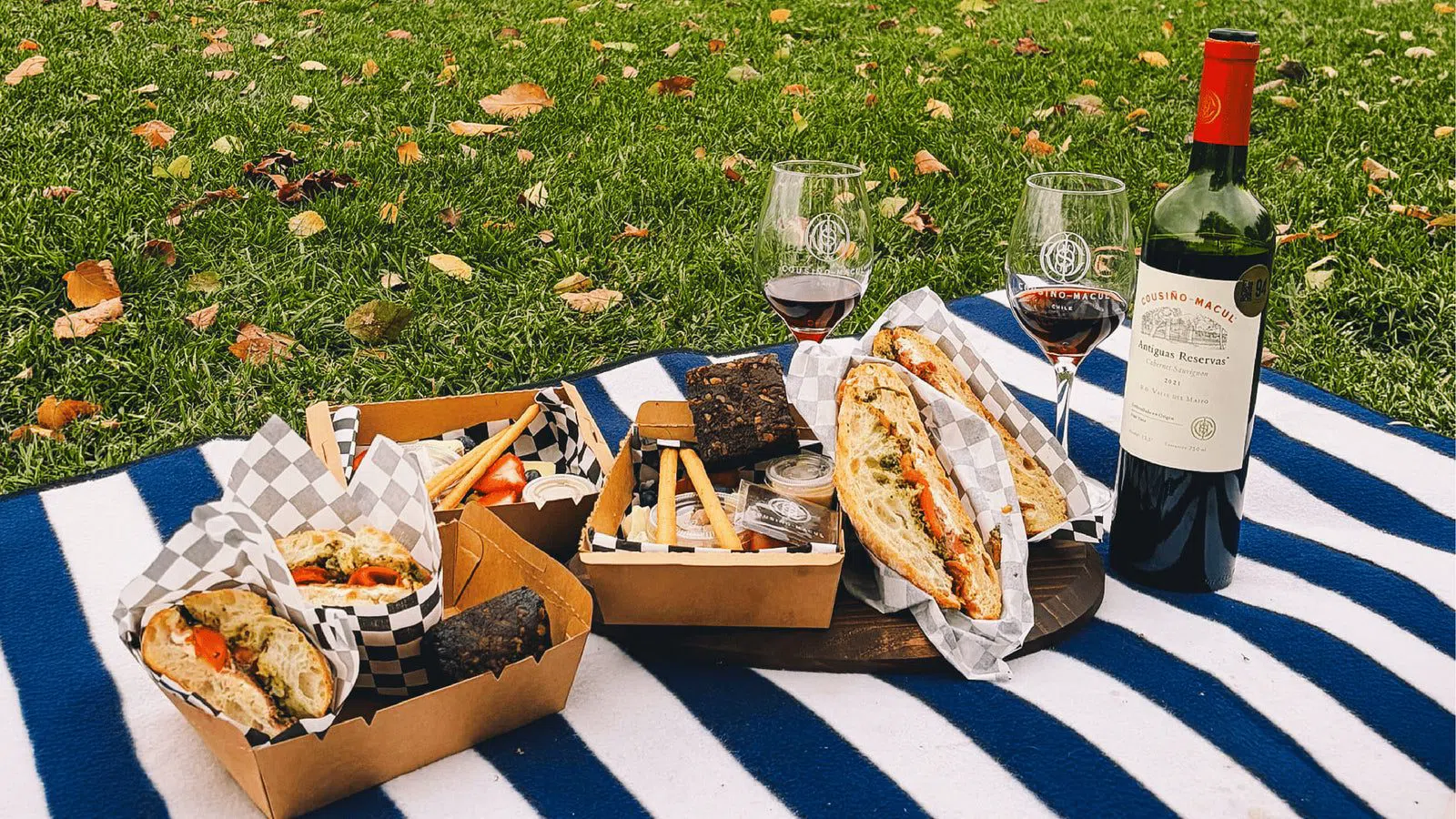
Cousiño Macul (Peñalolén) barely counts as a day trip — it's technically still inside greater Santiago, in the eastern comuna of Peñalolén, which makes it the pick for readers with an afternoon rather than a day. The family has owned and worked this land since 1856, and the old-vine plantings and stone cellars feel like real production, not a satellite tasting room bolted onto a brand. Standard tastings run $25-45 USD; the Thursday sunset tour adds a charcuterie spread in the garden as the Andes go pink behind the vines, and the winery also runs a bike-and-wine route for groups who'd rather pedal between blocks than be walked through them. Book the Thursday sunset slot specifically — it fills first.
The Splurge Stop
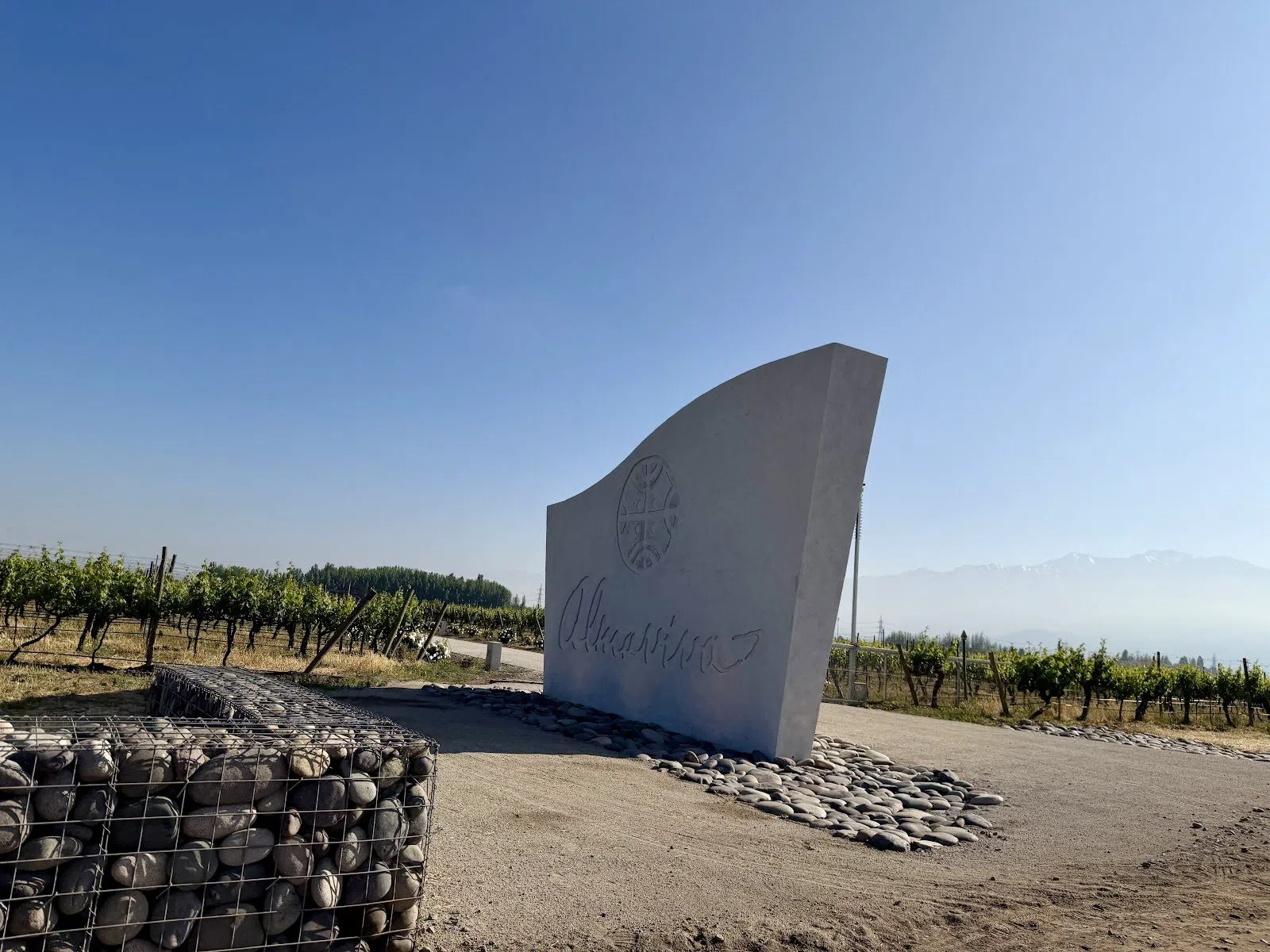
Almaviva (Puente Alto) is the one to save for readers who take wine seriously rather than ticking a box. It's the joint venture between Baron Philippe de Rothschild and Concha y Toro, and the single wine it makes — also called Almaviva — is Chile's most decorated bottle, a Cabernet-heavy blend built for the cellar rather than the picnic table. There's no walk-in option: visits are by appointment only, in small groups of a handful of people per slot, and the popular times fill weeks ahead, so this is a book-before-you-fly stop, not a book-this-morning one. Tastings run $120-270 USD depending on which vintages pour, which sounds steep next to Concha y Toro's $35 entry ticket until you taste the difference in the glass — structured, dense, built to open slowly over an hour rather than a five-minute pour-and-swirl.
Historic Estates Worth the Detour
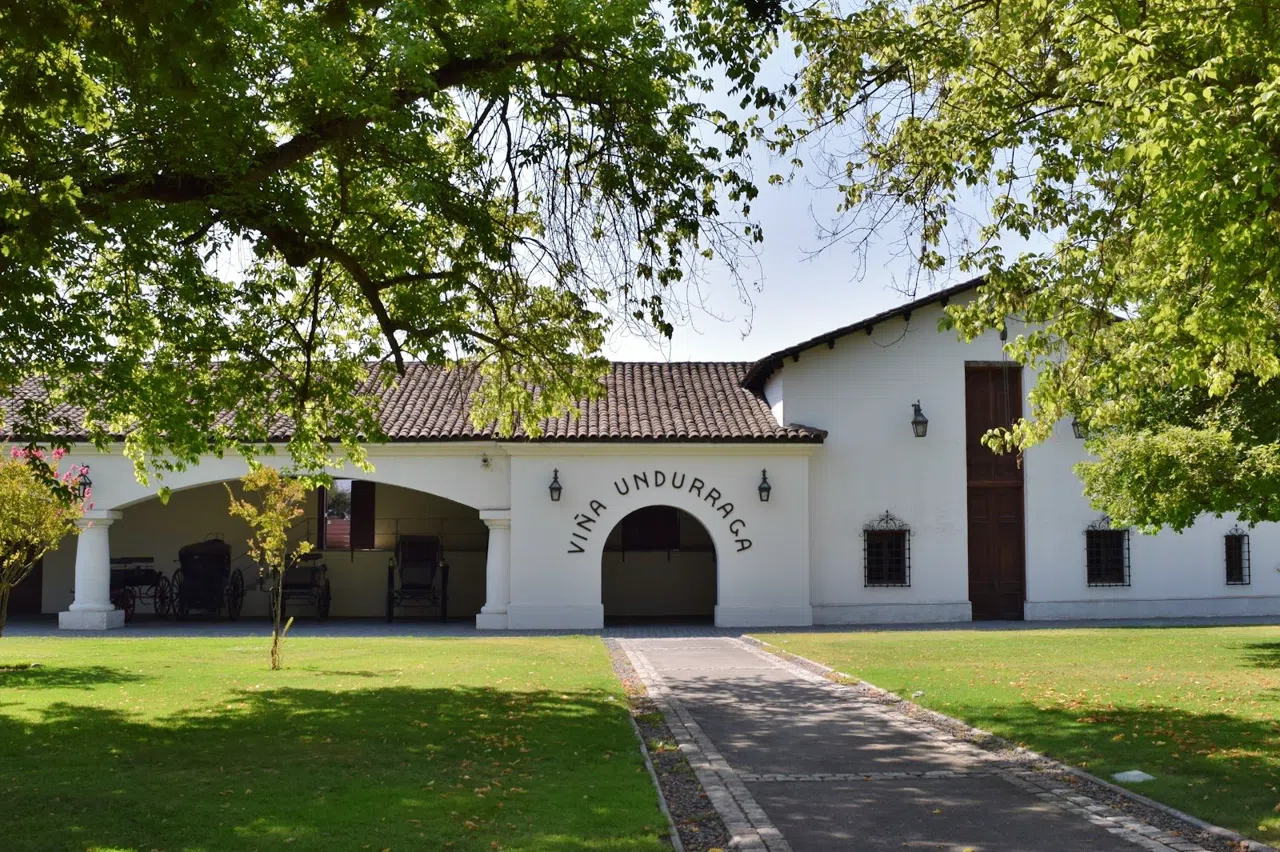
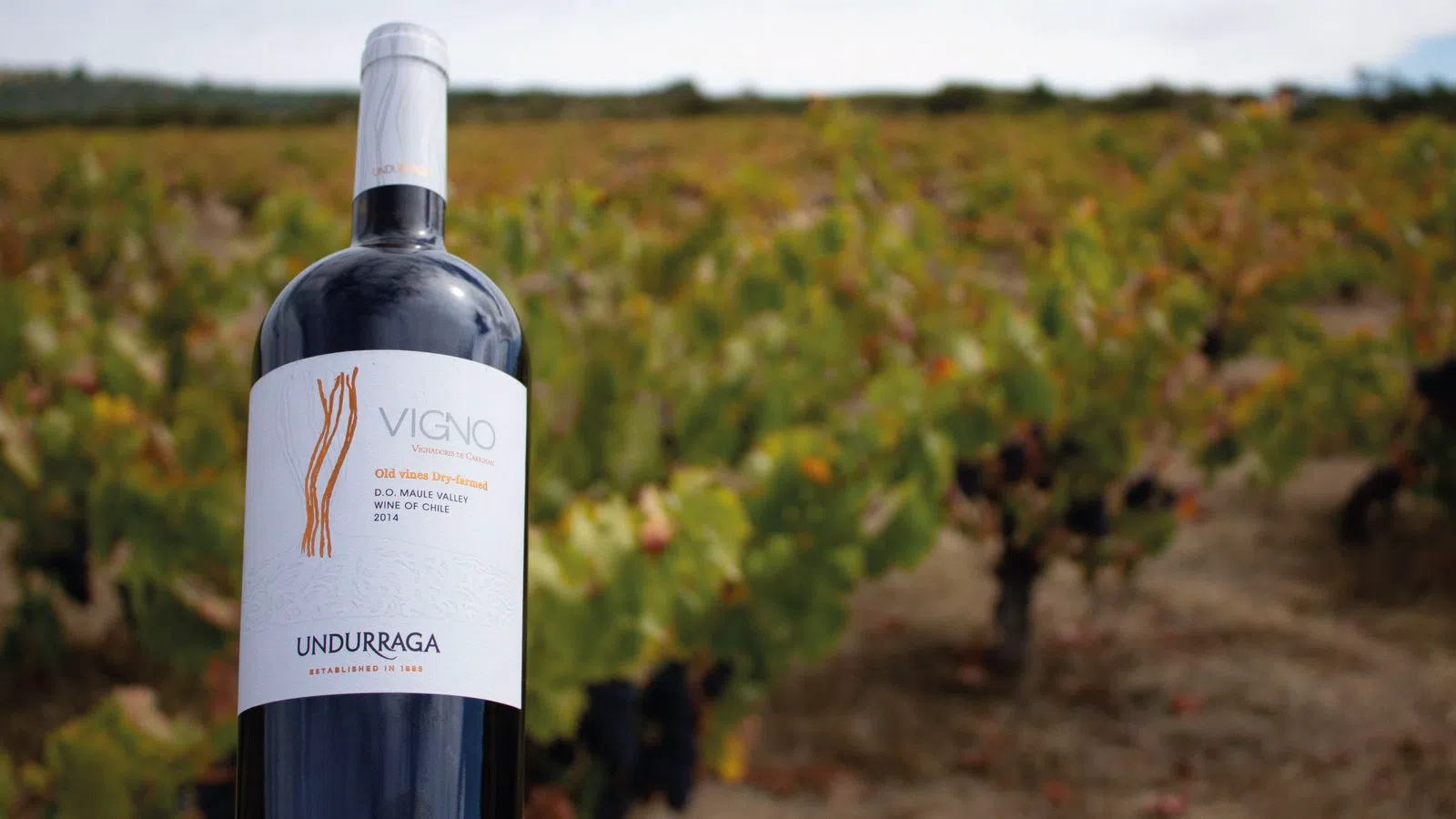
Viña Undurraga (Talagante) has been making wine since 1885, one of the country's oldest labels, and it leans into that history: the tasting rooms sit inside genuinely photogenic parkland — mature trees, formal paths — rather than a bare warehouse with a counter. Tours run about $55-60 USD (roughly CLP 53,000), handle both group tours and private visits comfortably, and offer child pricing, useful if this is a family day rather than a couples' one.
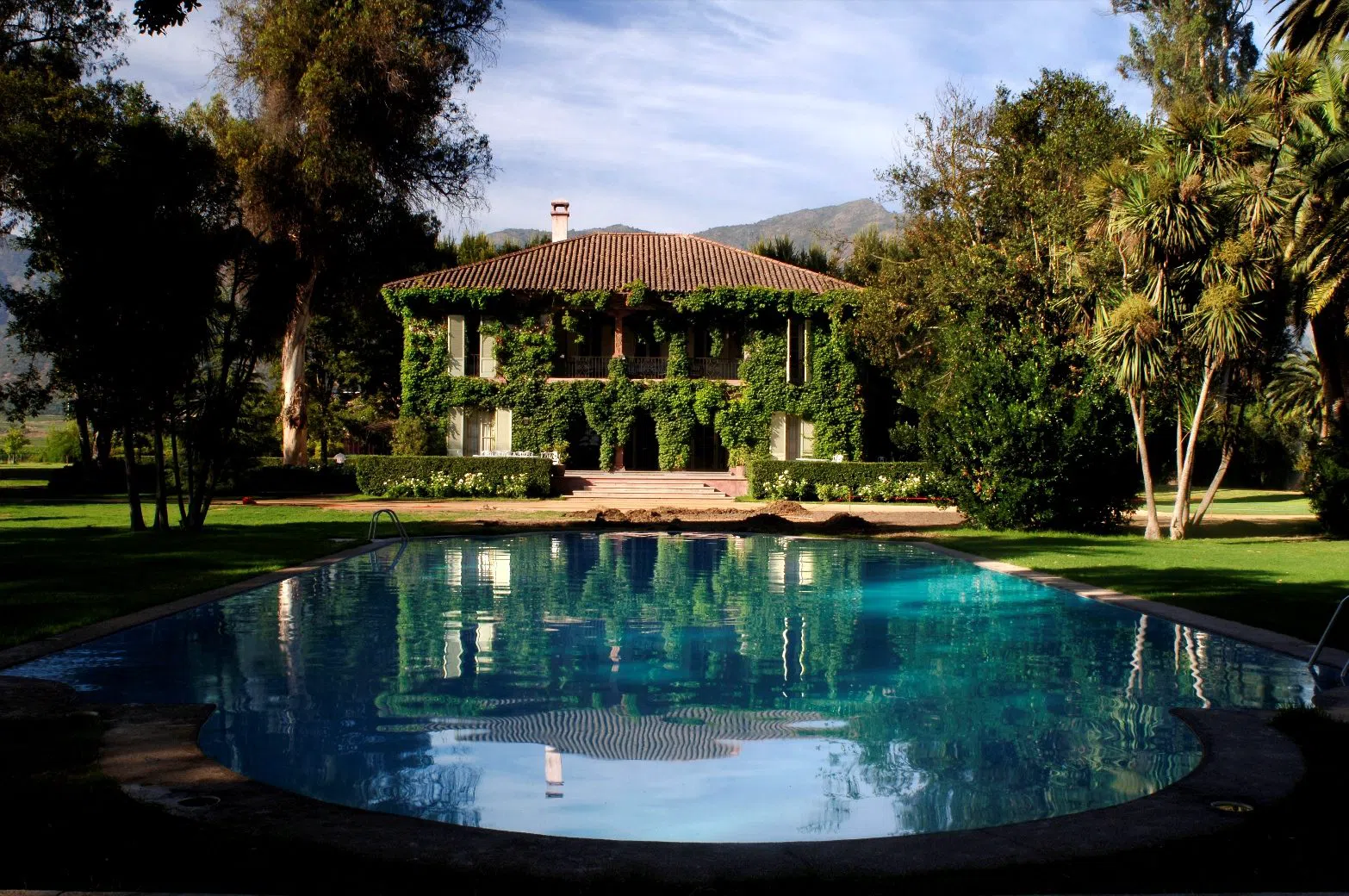
Viña Tarapacá (Isla de Maipo) sells a fantasy that mostly delivers: a Tuscan-villa manor house under an hour and a half from the capital, with private group tastings and a lunch option served inside the house itself rather than a function room bolted on the side. Expect $40-70 USD depending on whether lunch is included — worth paying for here, since the setting does most of the work.
Haras de Pirque (Pirque) is now Antinori-owned and pairs its cellars with an equestrian estate — horse breeding and winemaking genuinely share the same land here, not just a marketing overlay. The standard visit runs about 4.5 hours, $60-90 USD, and includes a cheese-and-charcuterie pairing; it handles both groups and private bookings, and it photographs better than almost anywhere else in the valley if the light's right in late afternoon.
Small, Serious and Appointment-Only
De Martino (Isla de Maipo) is the pick for anyone bored of visitor centers. It's a real, working winery and one of the pioneers of Chile's amphora and natural-wine movement — clay-fermented, low-intervention bottlings that taste more of stone and herb than the polished dark-fruit style Maipo built its name on. Groups here stay small, and tastings need 48 hours' notice; there's no walking in off the road expecting a pour. Budget $25-40 USD.

Viña Santa Ema (Isla de Maipo) is the unpretentious counterweight to the grander estates: family-run since 1956, small-group tastings, $20-35 USD, and easy to combine with its Isla de Maipo neighbors — De Martino and Tarapacá are a short drive away, so a driver or private tour can stack all three into one loop without much backtracking.
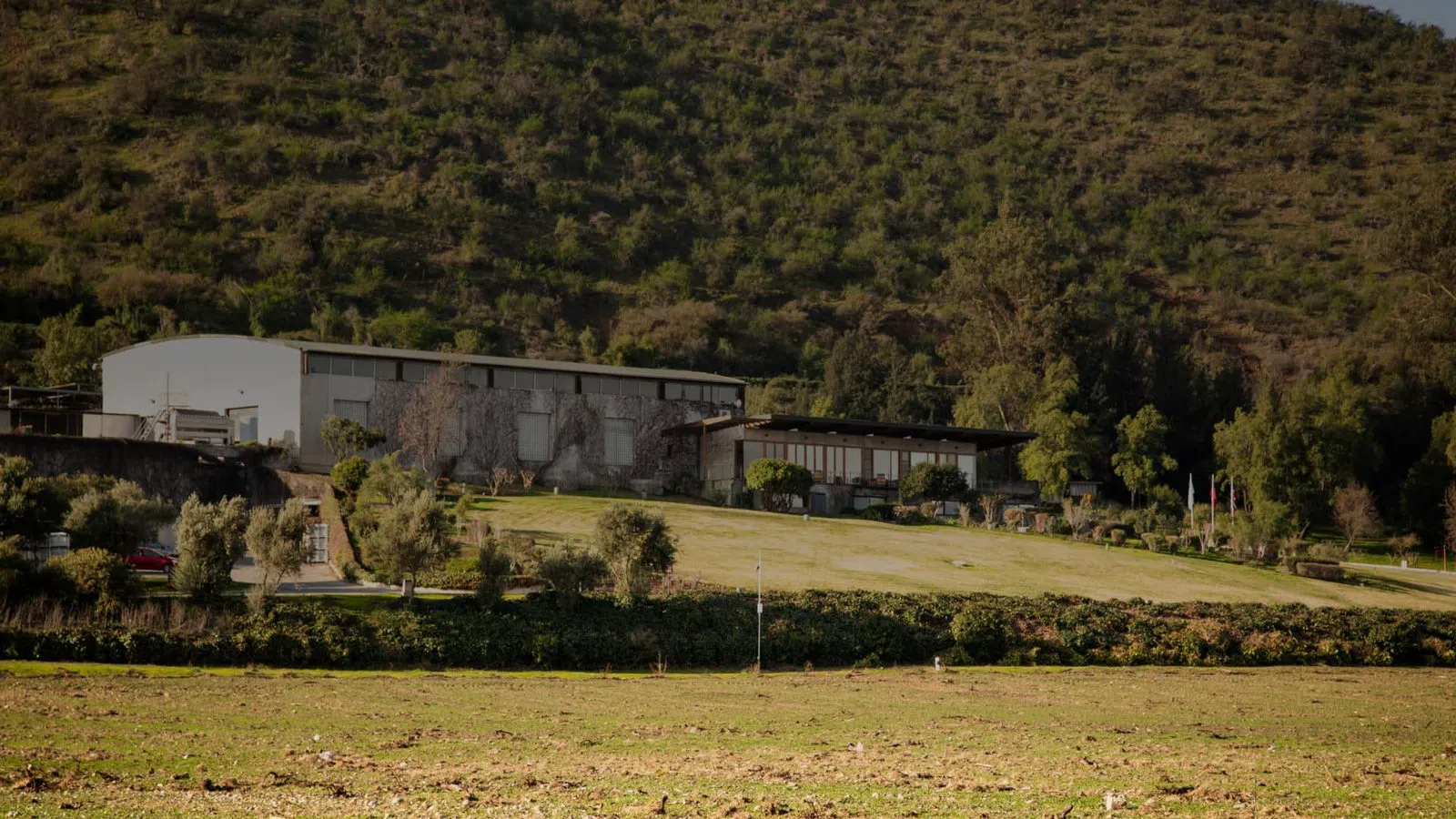
Odfjell Family Vineyards (Padre Hurtado) is organic and biodynamic, capped at four people per tour, appointment-only — a couples' or small-party stop, not a bus one. The estate's most memorable offering is a horseback ride among the vines, which sounds like a gimmick until you're actually doing it. Tastings run $50-80 USD.
Viña Aquitania (Peñalolén) trades spectacle for precision: Monday-to-Friday visits by reservation only, small groups, around $30-40 USD (CLP 30,000). There's no gift-shop energy here, just a boutique producer's cellar and a tasting that assumes you already know roughly what you're drinking — good for readers who'd rather skip the tour-bus circuit entirely.
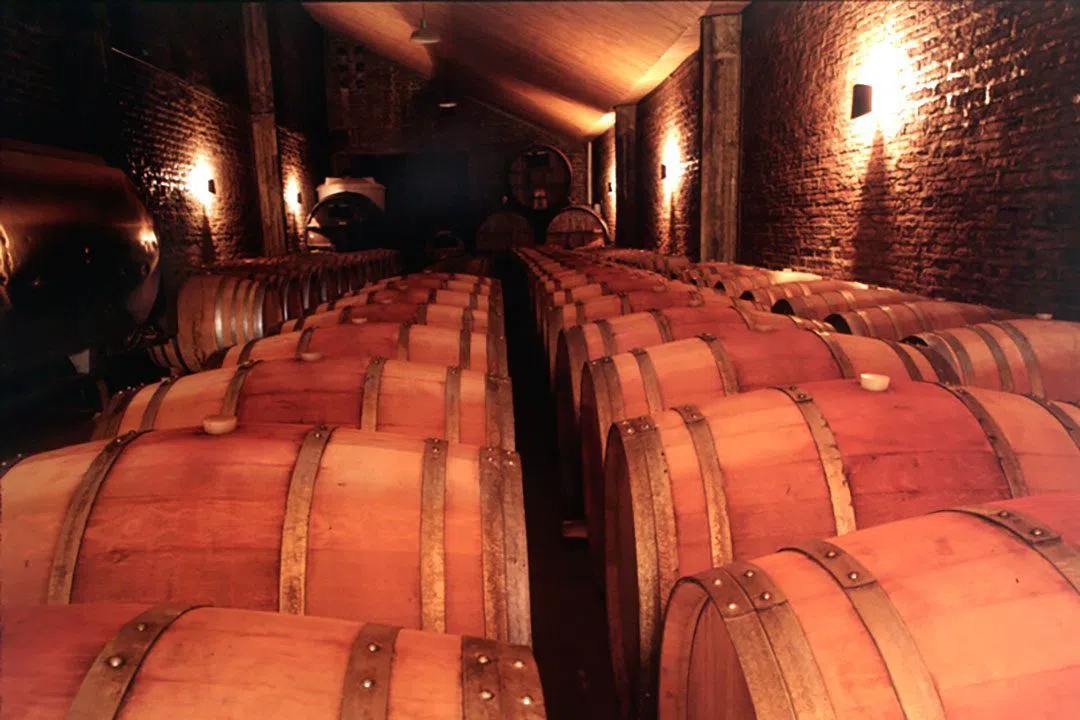
Skip the Bus: Seeing Maipo by E-Bike
Maipo Valley Wine Tours (Isla de Maipo) restructures the whole day around movement instead of a coach schedule. Private and small-group e-bike routes thread the flat, river-cut terroir around Isla de Maipo at a pace that actually lets you notice the change from block to block — clay here, more gravel there — instead of experiencing the valley as a sequence of parking lots. Full-day tours run $70-120 USD including lunch and hotel pickup, and the format is genuinely family-friendly since the electric assist flattens out the effort. It's also a smart spine for the day, since several of the small Isla de Maipo producers above sit directly on or near the route.
Practical Notes
Getting there. Maipo Valley sits roughly 40 minutes to an hour and a half south of central Santiago depending which estate — Cousiño Macul and Aquitania are inside city limits, while Tarapacá, De Martino, Santa Ema and the e-bike route cluster further out around Isla de Maipo. Most visitors either book a private driver for the day (easiest for stitching together three or four small, appointment-only wineries in a loop), join an organized tour from Santiago that includes transport, or self-drive if comfortable with Chilean rural roads. Public transport does not reach most estates directly.
Cash and cards. Card is accepted at the larger estates (Concha y Toro, Santa Rita, Undurraga), but the smaller family producers can be card-machine-shy or slow, so carry CLP cash as a backup, especially for tips to guides and drivers.
Timing. Book Almaviva and De Martino well ahead — both require advance notice, and Almaviva especially fills weeks out. Aim to start by 10am if visiting more than two estates; most tastings and tours run 60-90 minutes plus transfer time, so three stops is a realistic ceiling for one day without rushing the pours. Thursday is the day to be at Cousiño Macul for its sunset session.
Budget. A single-estate afternoon at one of the big names runs $35-90 USD per person; a full day mixing a marquee estate with two boutique producers lands closer to $150-250 USD once transport is added; Almaviva alone can absorb that on its own.
Where to stay. Base yourself in Santiago rather than the valley itself — there's no real hotel infrastructure built for tourists in Maipo outside Santa Rita's own on-site property, and the city gives you same-day flexibility to swap a rained-out tour for a different one. Start your planning with a Santiago hotel search, and see the full Santiago guide for what to do with the rest of the trip around the wine.
Before you go
How many Maipo Valley wineries can I realistically visit in one day from Santiago?
Three is a comfortable ceiling once transfer time is factored in. Most tastings and tours run 60-90 minutes, and estates within the same pocket — like De Martino, Santa Ema and Tarapacá around Isla de Maipo — can be looped together without much backtracking. Mixing a big estate like Concha y Toro with two small ones on the same day usually means a tighter schedule and less lingering.
Which Maipo wineries need to be booked in advance?
Almaviva and De Martino both require advance booking — Almaviva by appointment only, often weeks ahead for popular slots, and De Martino with a minimum 48-hour notice. Odfjell and Aquitania are also reservation-only, capped at small numbers. Concha y Toro and Santa Rita run multiple daily departures and are far more forgiving for last-minute planning.
Is Maipo Valley a good day trip for families with kids?
Yes, with the right picks. Viña Undurraga offers child pricing and sits in parkland that's easy for kids to wander, and the Isla de Maipo e-bike tours from Maipo Valley Wine Tours are built to be family-friendly, with the electric assist doing most of the work. The ultra-premium or appointment-only estates, like Almaviva or Odfjell, suit adults and serious tasters better.
What's the best Maipo winery for someone who doesn't know much about wine?
Concha y Toro or Santa Rita. Both run frequent English-language tours pitched at a general audience, with clear explanations of the winemaking process rather than assuming existing knowledge, and both handle groups and mixed-interest parties easily.
Do I need to rent a car to visit Maipo Valley wineries?
No, and most visitors shouldn't. Public transport doesn't reach the estates directly, so the practical options are a private driver for the day, an organized tour with transport included, or self-driving if you're comfortable with Chilean rural roads and, importantly, have a designated non-tasting driver.