The Santiago issue
Planning a Santiago Weekend Around Two Nights of Iron Maiden
Iron Maiden play Estadio Nacional on back-to-back nights in late October 2026, and the consecutive dates change how you should book everything else.

By Rhys CallowayThe city on foot — cerros, barrios and the hours that matter
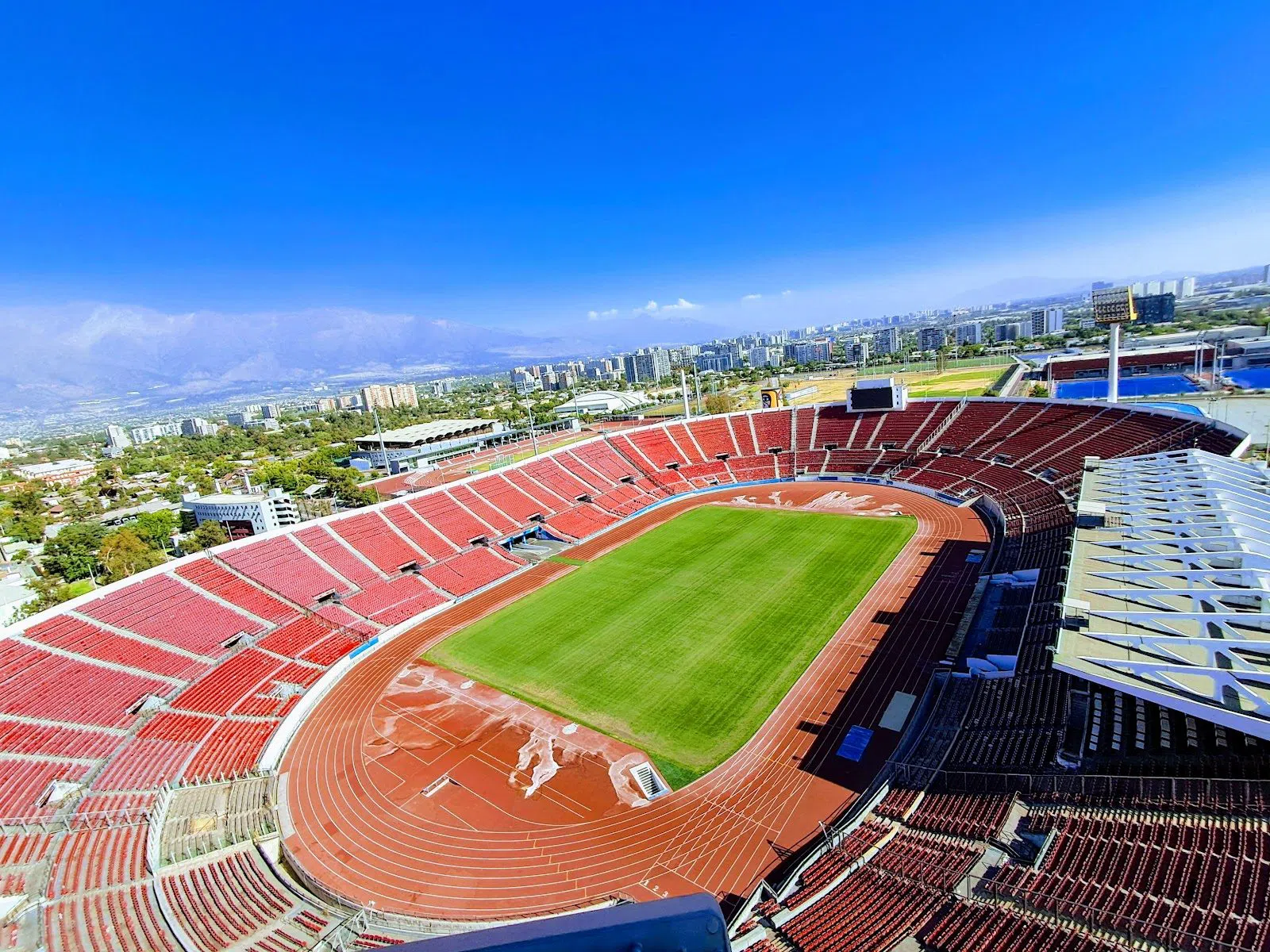
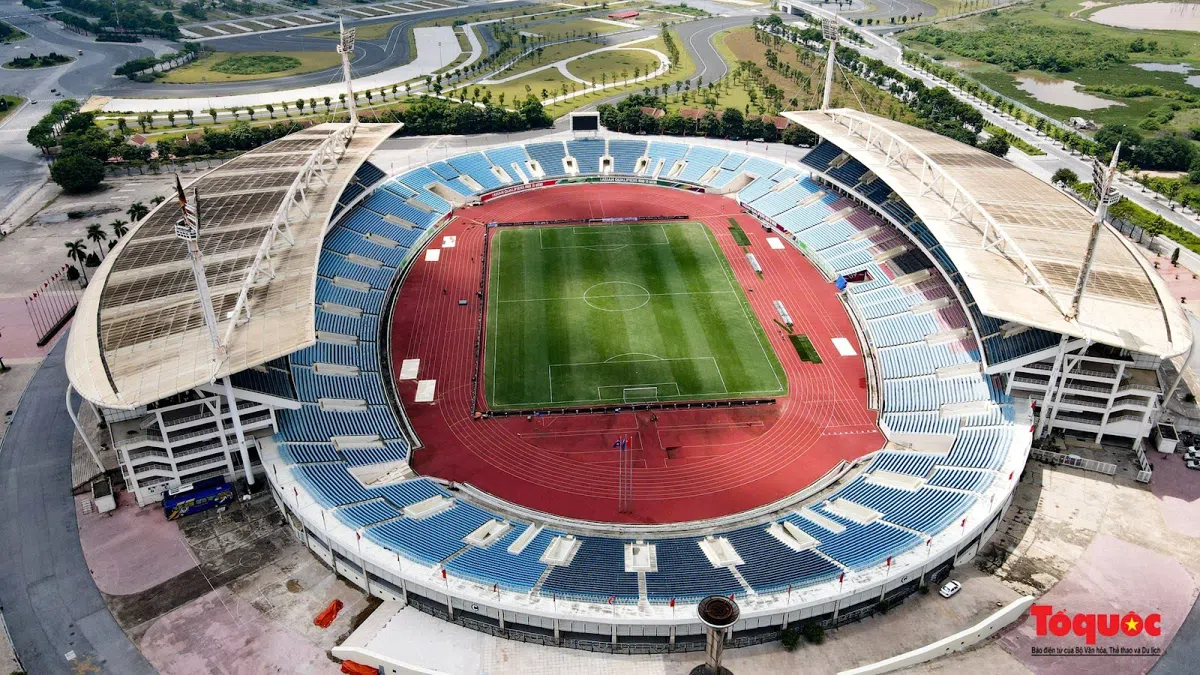
The Estadio Nacional sits in the middle of Ñuñoa, ringed by low apartment blocks and a Metro station that empties straight onto the gates, which makes it one of the easier big stadiums anywhere to leave at midnight. Iron Maiden play it twice on the same weekend, Saturday 31 October and Sunday 1 November 2026, with Mammoth and Nuclear opening both nights. The dates are back to back rather than spaced a day apart, and that is the fact that should shape the rest of your booking. You get one clear evening before the run, one slow morning in the middle, and no margin for a hangover you didn't plan for.
What the two nights cost and how you get out afterwards
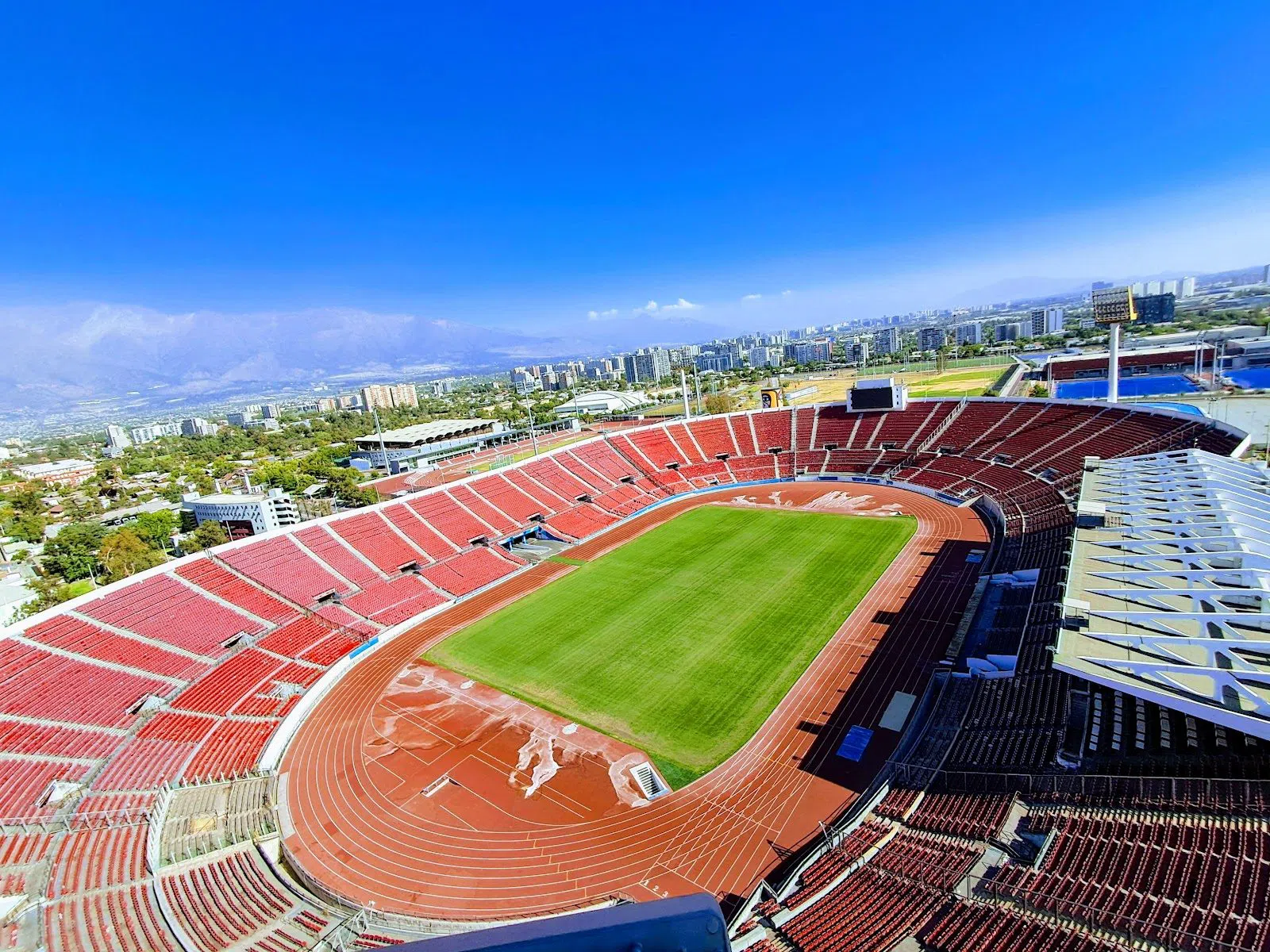
Estadio Nacional Julio Martínez Prádanos (Ñuñoa) holds 48,745 for concerts, split between a general-admission cancha on the pitch and numbered seats in the stands. Tickets for these dates run roughly CLP 40,000 to CLP 160,000 depending on sector. The cancha is the cheap option and a standing crush for three hours with no shade before sunset, which matters in late spring when the afternoon sun still has weight in it. If you want to watch the set rather than survive it, or if anyone in your party is over fifty, under fifteen, or short, pay for the stand. The sightlines are better and you can sit down between bands.
Groups need to buy in one transaction. Numbered seats are allocated at purchase, so four separate bookings by four people in a WhatsApp thread will land you in four different rows. One person, one card, one basket.
Santiago handles the exit better than most stadium cities. Metro Line 6 has a station called Estadio Nacional, and Exit B puts you at the gates rather than a fifteen-minute walk from them. On big stadium nights the line runs extended service to about 00:30. That window is your whole logistical plan: if you are on a train by half past midnight you can be in Providencia or the centre in twenty minutes for the price of a coffee. Miss it and you are bidding against 40,000 people for rideshares on the same three streets.
Plan your Santiago trip
Live prices from our booking partners.
Free cancellation on many rooms. We may earn a commission when you book.
Saturday lunch within walking distance of the gates
Las Lanzas (Plaza Ñuñoa) is a ten-minute walk from the stadium and has been feeding the neighbourhood for more than fifty years. It is a fuente de soda (sandwiches, Chilean-Spanish plates, hard chairs, no ceremony) and costs CLP 9,000 to CLP 18,000 a head. There are no reservations at all. If you are more than four people on a Saturday, arrive before 14:00, because that is when tables can still be pushed together; after that you are waiting on the pavement.
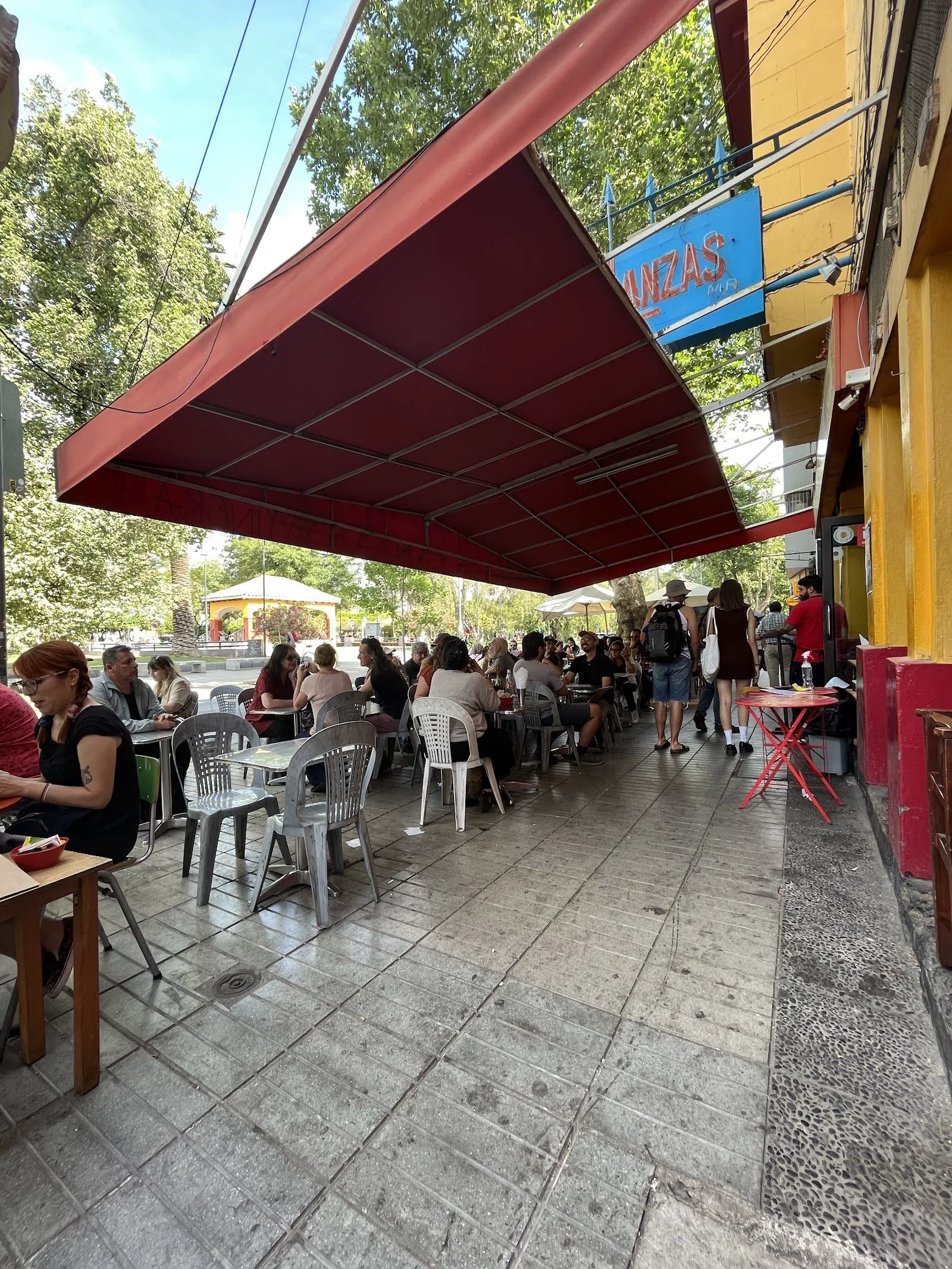
Las Lanzas shuts at 20:00 on Saturday and does not open on Sunday. It is a Saturday-afternoon fuel stop before the first show and nothing else, so keep it out of your post-concert plans and do not plan a Sunday lunch there before the second night.
Where Saturday night goes once the lights come up
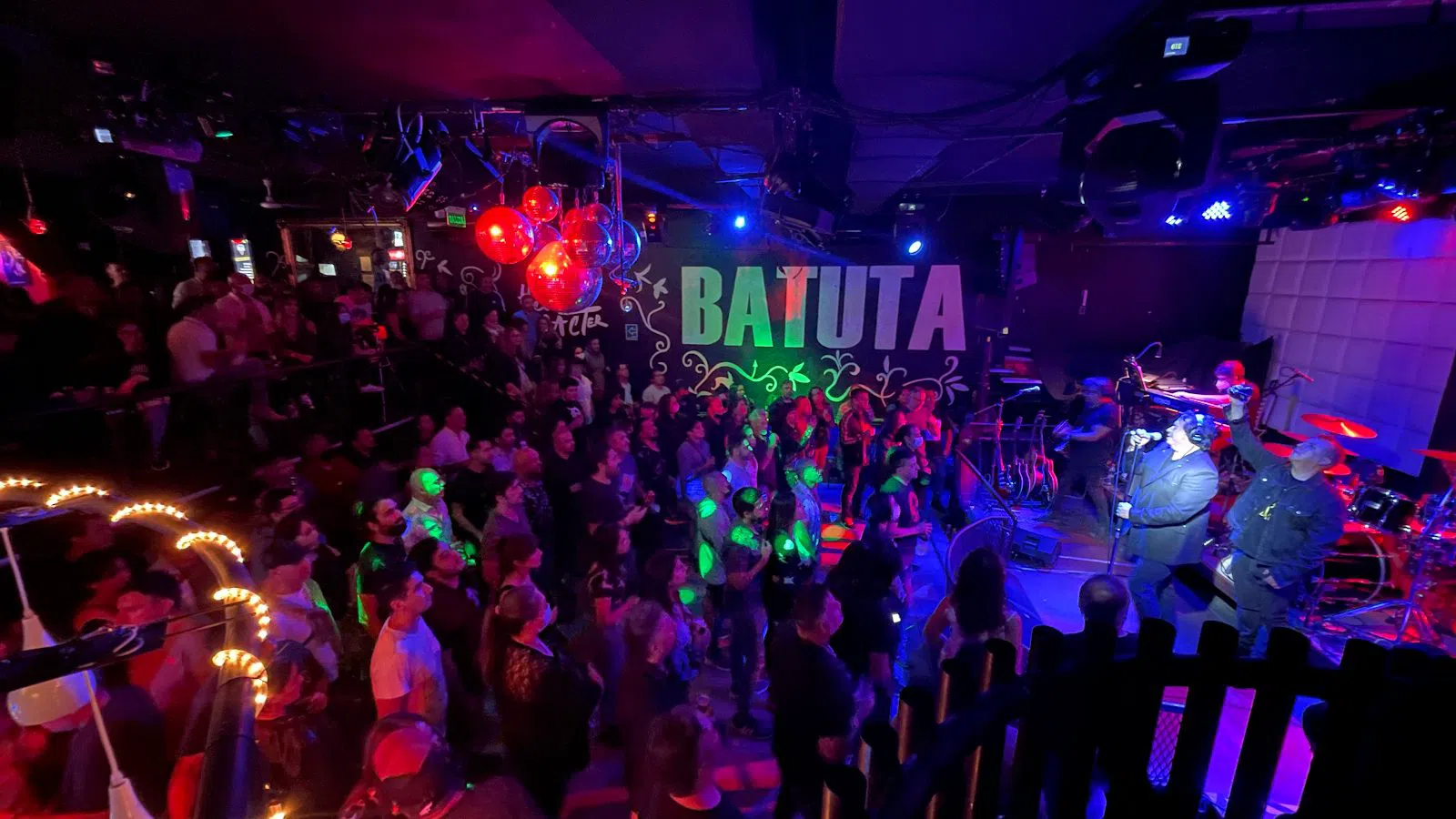
La Batuta (Plaza Ñuñoa) is the closest real gig room to the stadium and the obvious landing spot, and the proximity is the point: you walk or take one short hop rather than crossing the city. It has been running since 1989, holds 400 standing, and programmes rock, tributes, DJ sets and Chilean bands Wednesday to Saturday. Cover is CLP 5,000 to CLP 15,000 and beers are around CLP 4,000. There is no table service to squabble over, which is why groups do fine here. For a named act, buy ahead on Tickethoy or Passline; for a Saturday DJ night, the door is usually enough.
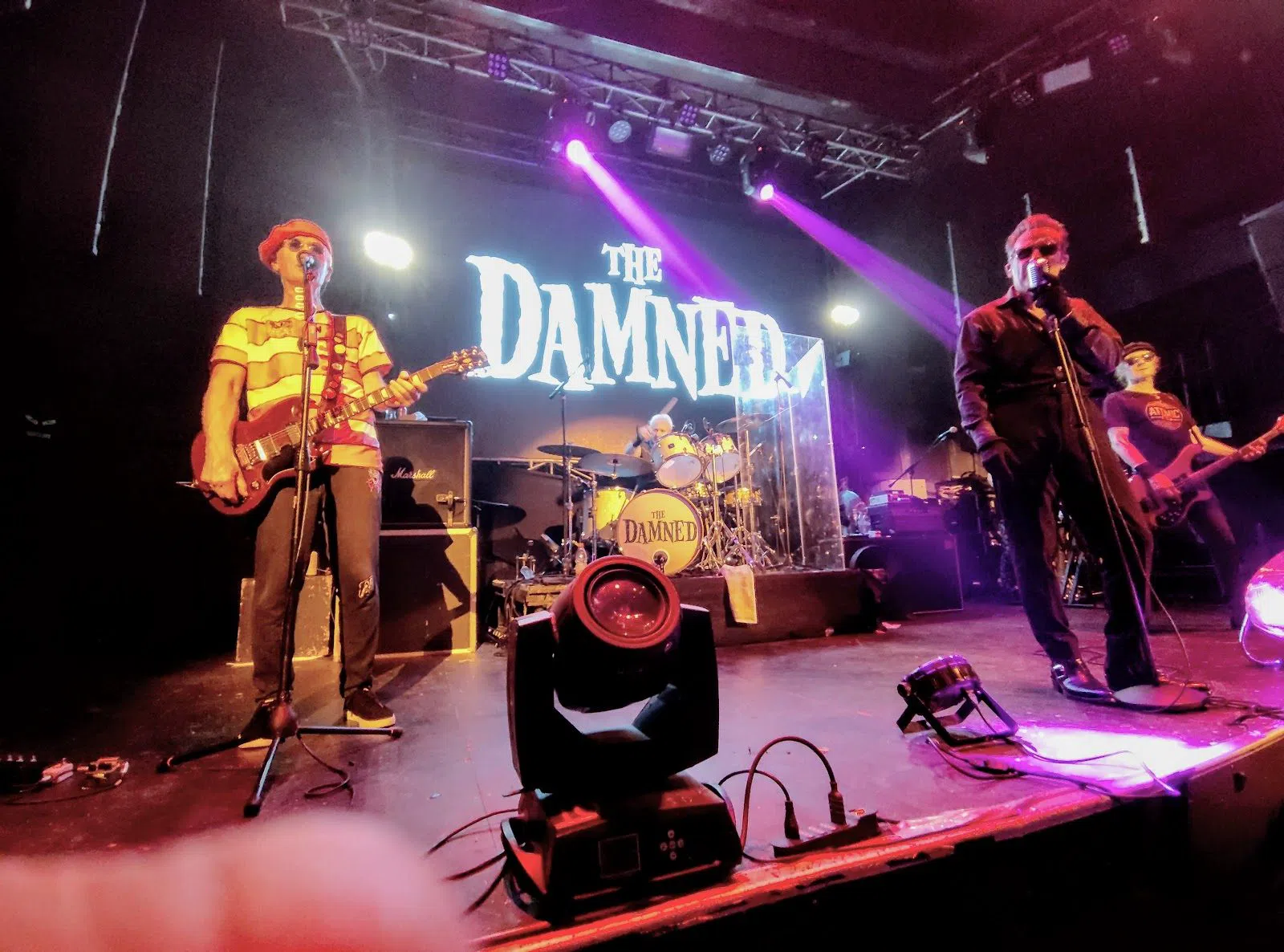
Blondie (on the Alameda, in the centre) is the default late room if your evening does not end when the stadium empties. It has been open since 1993, takes walk-ups, and does not care what you are wearing. Cover is CLP 6,000 to CLP 12,000 and drinks CLP 5,000 to CLP 9,000. Large groups get in without drama, but expect a genuine queue on the Alameda after midnight on a Saturday, so send two people ahead while the rest of you finish the last Metro. It runs a Halloween night on 31 October, which lines up precisely with the first concert.
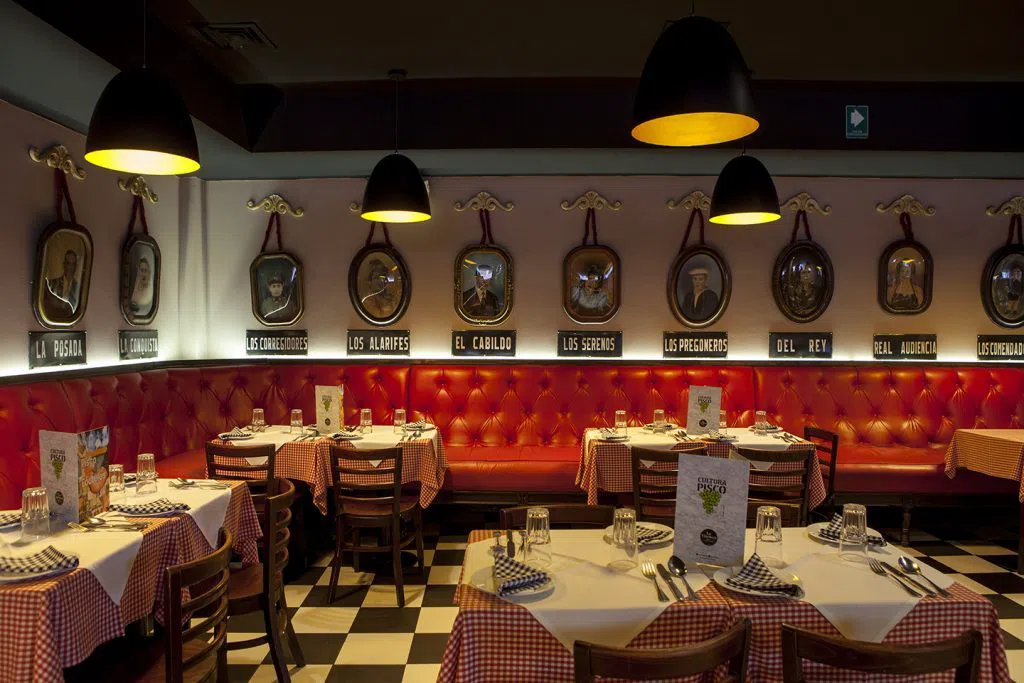
If what you actually want after four hours of standing is food, Bar Liguria (Manuel Montt branch, Providencia) is the reliable late kitchen: hake cheeks al pil pil, pastel de choclo, a decent pisco sour, CLP 15,000 to CLP 28,000 a head. The Manuel Montt branch runs to 00:30 Wednesday to Saturday, so a Saturday stadium night makes it only if you move directly from the Metro. Bigger tables are handled far better on the early side than at last orders, and there is no Sunday-night version of this plan, so do not build one.
The Friday you should use instead of a rest night
There is no gap night. The shows are consecutive, and any plan that assumes a free evening between them is reading the wrong calendar. Put the side-show night on Friday 30 October instead.
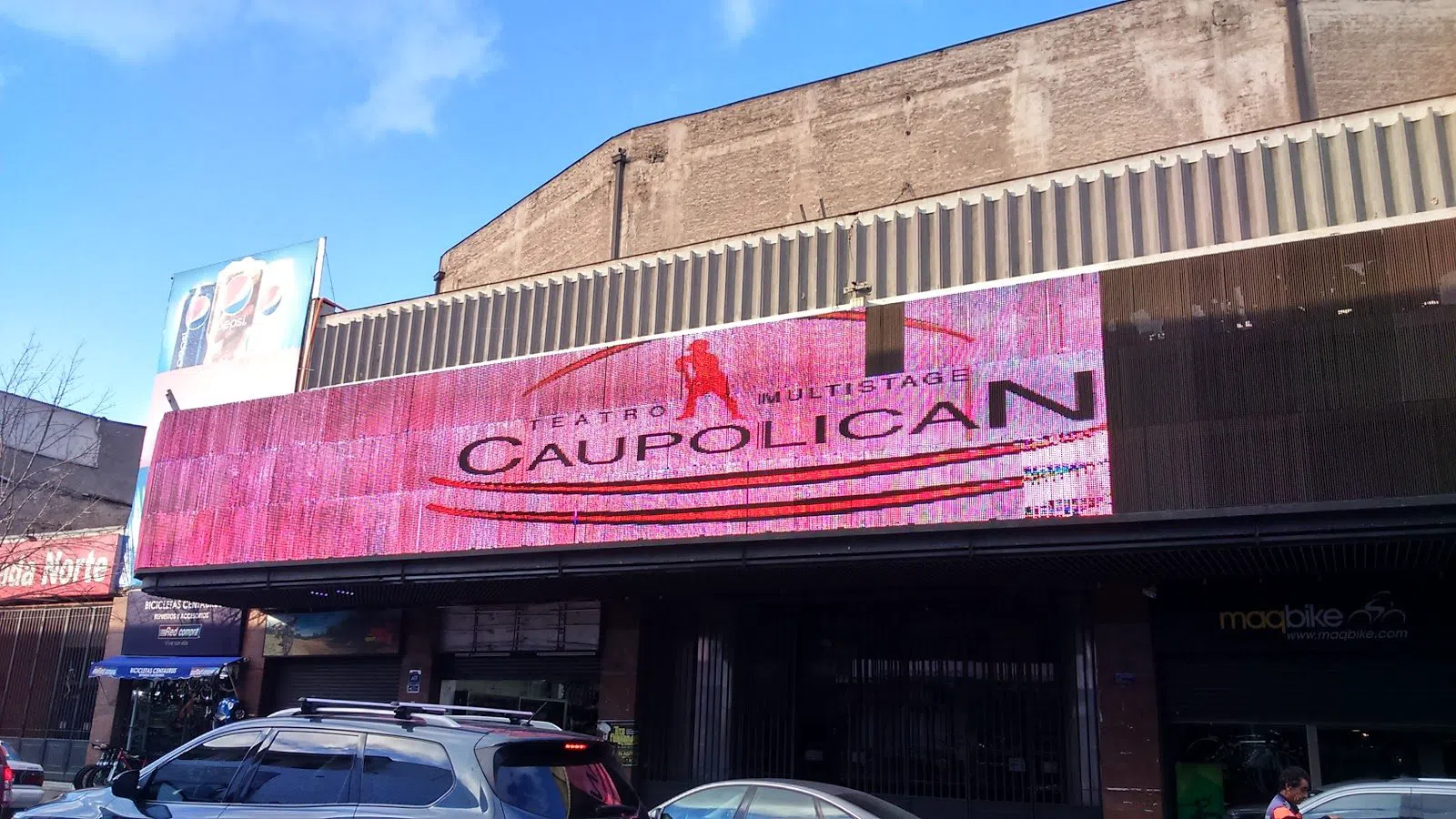
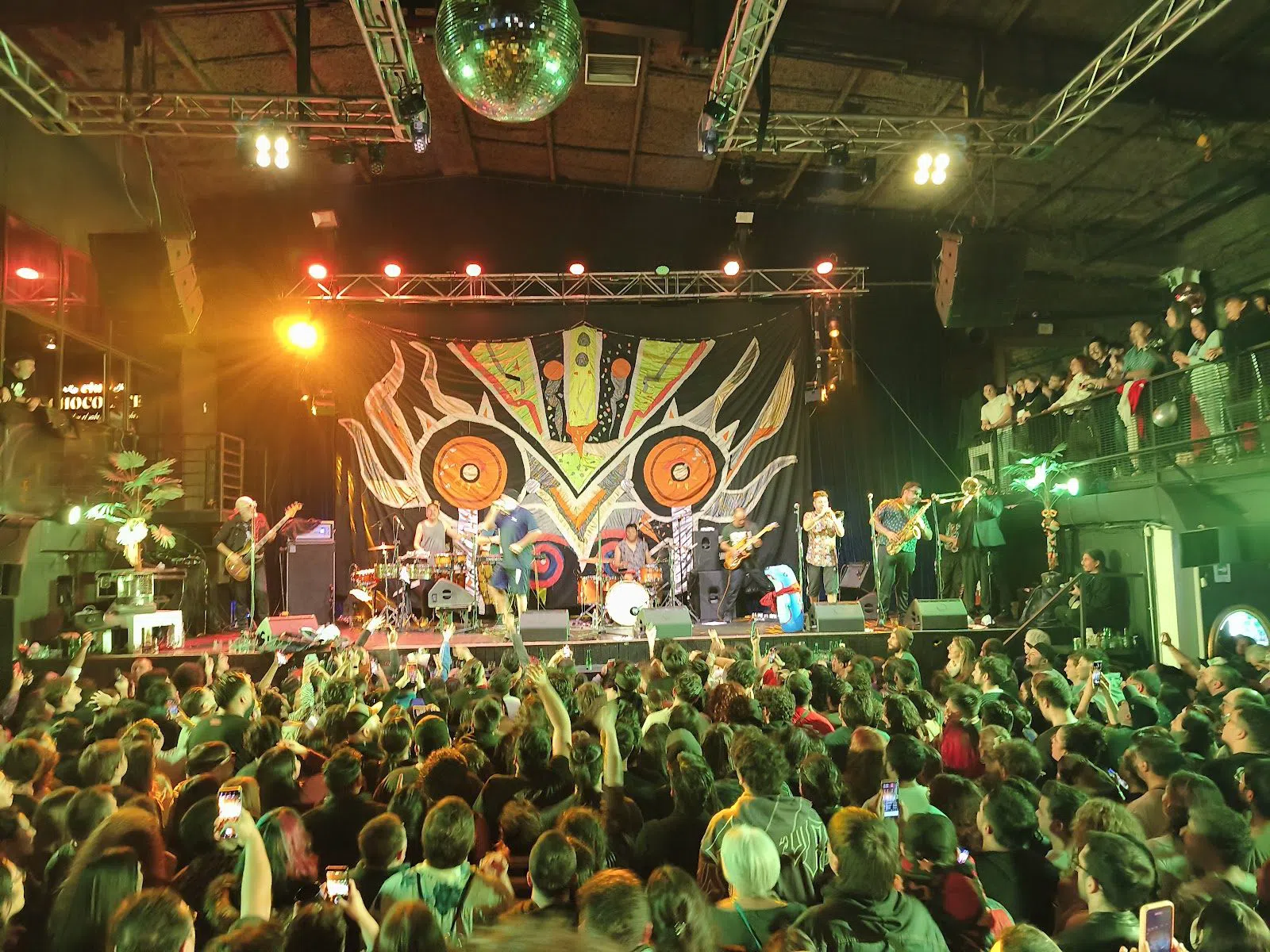
Teatro Caupolicán (San Diego, downtown) is Chile's heavy-music room: 4,500 capacity, mostly general admission on the floor with seated balconies, tickets typically CLP 25,000 to CLP 80,000. Fear Factory and a steady run of international rock and metal acts pass through, and side shows tend to cluster around a stadium tour weekend, so check the listings before you book flights rather than after. The floor is a real crush at metal shows, and the balcony is the civilised choice two nights before a stadium double.
Club Chocolate (Bellavista) sits on the other side of town from Ñuñoa: 800 capacity across two floors with three bars, a running bill of international and Chilean acts, cover CLP 8,000 to CLP 25,000 depending on who is on. The three bars matter. It is one of the few rooms in the city where a group of ten or more can get served without one person spending the night as a designated queuer.
A hill, a deck and the clearest hour of the day
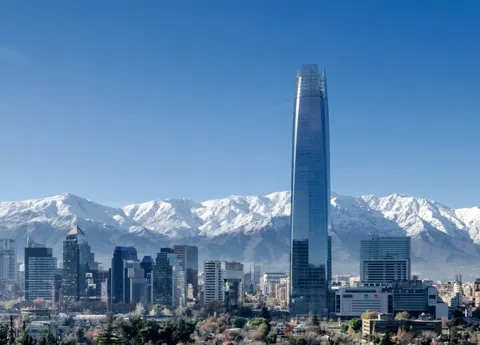
Santiago's views are a morning proposition in spring. The haze thickens through the afternoon, and a hill you climb at 15:00 shows you considerably less than the same hill at 10:30.
Funicular Santiago (Cerro San Cristóbal, from Bellavista) is the cheapest good view in the city and a national monument in its own right: CLP 1,580 one way, around CLP 2,060 to CLP 2,250 return. The same operator runs the cable car on the far side of the hill, so buy the combined ticket and come down a different way rather than paying twice for two halves of one trip. Departures roll, so groups do not need to book. It runs Tuesday to Sunday 10:00 to 18:45, Mondays from 13:00, and closes the first Monday of each month, which in 2026 is Monday 2 November, the day after the second show. If you were saving the hill for a departure-day morning, that plan is already dead.

Sky Costanera (Providencia) is the paid alternative and a better one for anyone with mobility issues, being step-free throughout with timed entry that keeps queues honest. It is CLP 25,000 for adult daytime and CLP 30,000 for the sunset slot, open 10:00 to 22:00 daily with last entry at 21:00. Groups book directly with the venue. On a clear spring evening the Andes from the open deck are the best view in the city, but a sunset slot on either concert day collides head on with doors, so take it on the Friday.

The history under the stadium you are standing in
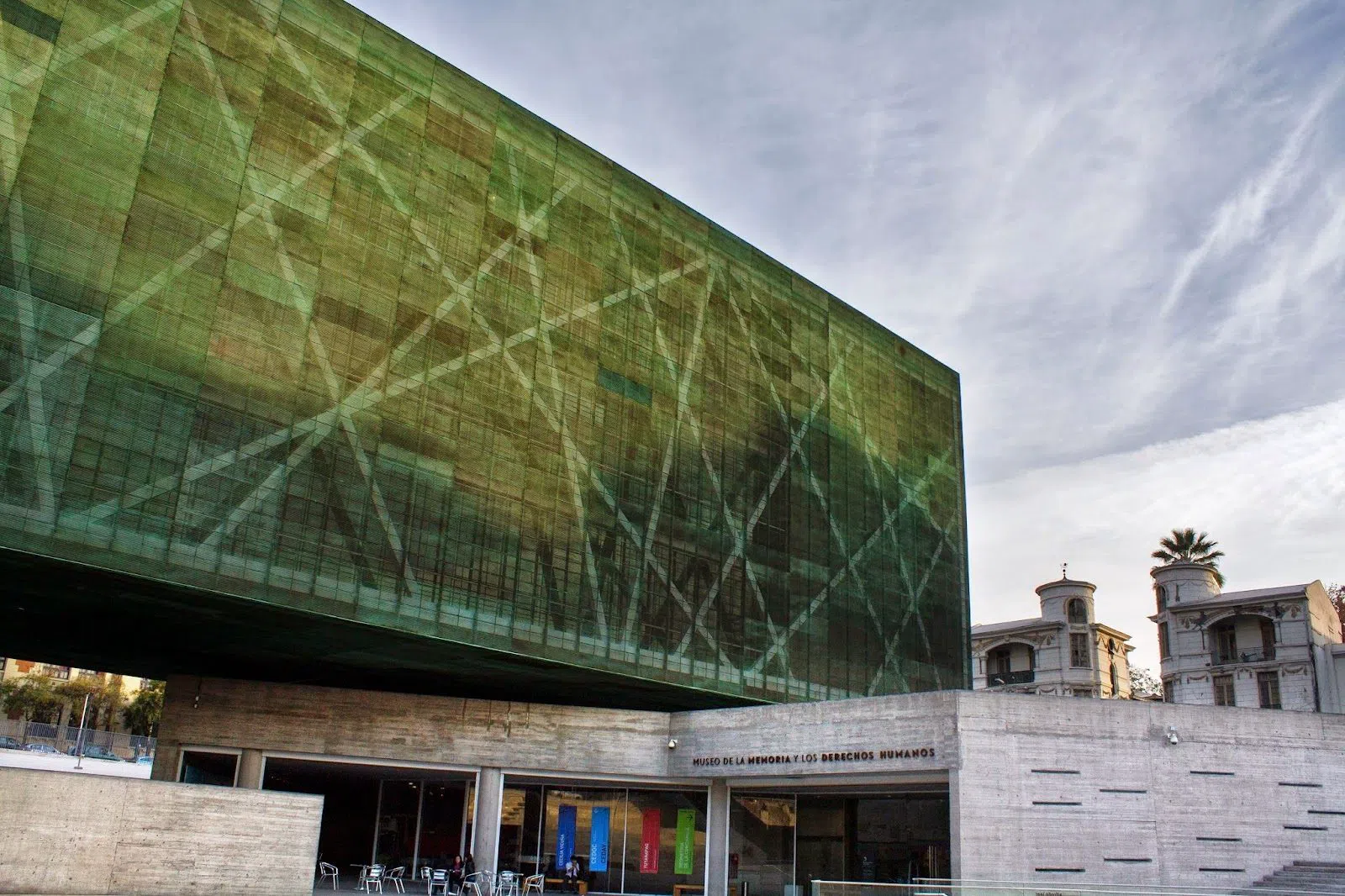
Museo de la Memoria y los Derechos Humanos (Quinta Normal) is free, open Tuesday to Sunday 10:00 to 18:00 with last entry at 17:30, and directly relevant to where you are spending your evenings. The Estadio Nacional was used as a mass detention centre in 1973, and this is where that history is set out properly. Entry is capacity-limited and first come, first served, so go at opening rather than mid-afternoon. Guided visits for groups have to be arranged in advance by email or WhatsApp, and walk-up groups will not get one. Give it two hours and do not schedule anything demanding straight afterwards.
Eating properly between the two shows
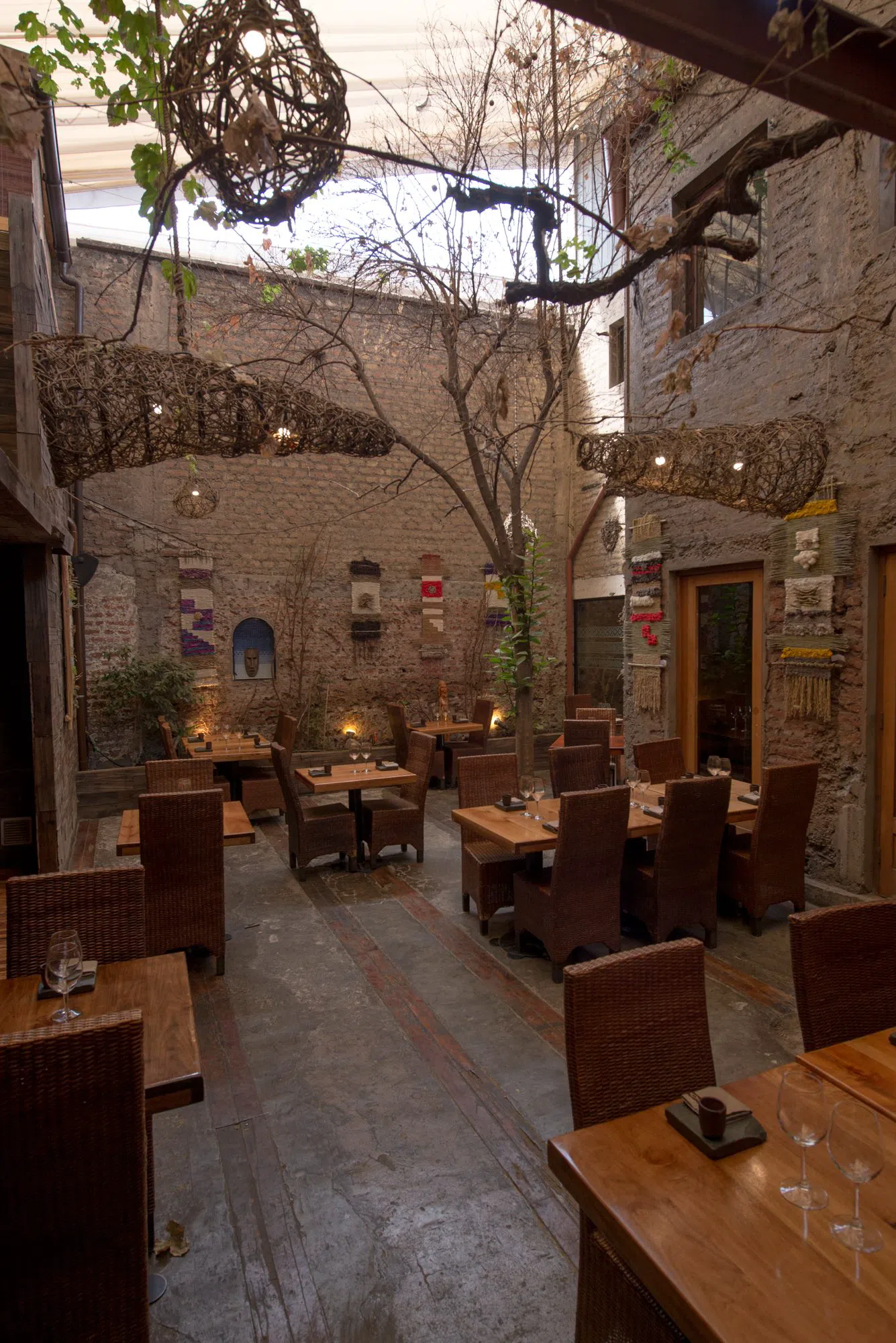
Peumayén Ancestral Food (Bellavista) is the closest thing to a landmark Chilean meal that can still seat eight without a fuss: Mapuche, Quechua and Rapa Nui cooking taken seriously, 22 small plates across four menus including a full vegetarian version. The tasting menu is around USD 45, pairings USD 70 to USD 90. It opens Tuesday to Saturday only, from 13:30 Thursday to Saturday, so on this particular weekend it is a Friday dinner or a Saturday lunch and never a Sunday anything. Book ahead.
Bocanáriz (Lastarria) is the most efficient education in Chilean wine available in the city, with sommelier-led flights grouped by valley and style, CLP 25,000 to CLP 45,000 a head. It is small and it books out on weekends. Reserve direct by phone or through their own site, and if you are above six, call rather than clicking. Saturday service runs to 00:30; check before you plan a Sunday visit.
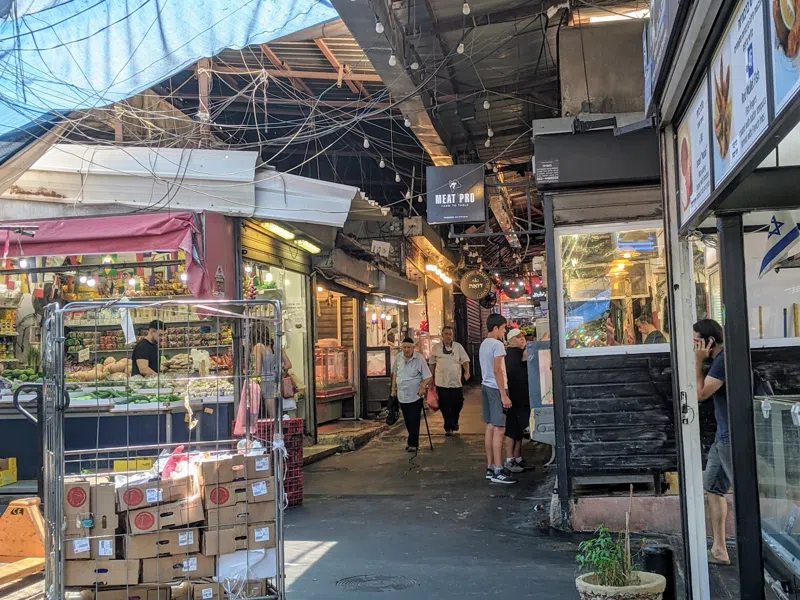
Mercado Central de Santiago (centre) does congrio, machas a la parmesana and paila marina under a 19th-century iron roof, CLP 12,000 to CLP 30,000 a head at big communal tables. Touts work the aisles hard, so choose a stall yourself and sit down instead of being walked to one. The inner-aisle stalls, Tío Lucho among them, cost roughly half what the fountain-side restaurants charge for the same fish. It opens 07:30 to 17:00 Sunday to Thursday and later on Friday and Saturday, which makes it a genuine Sunday lunch before the second show.
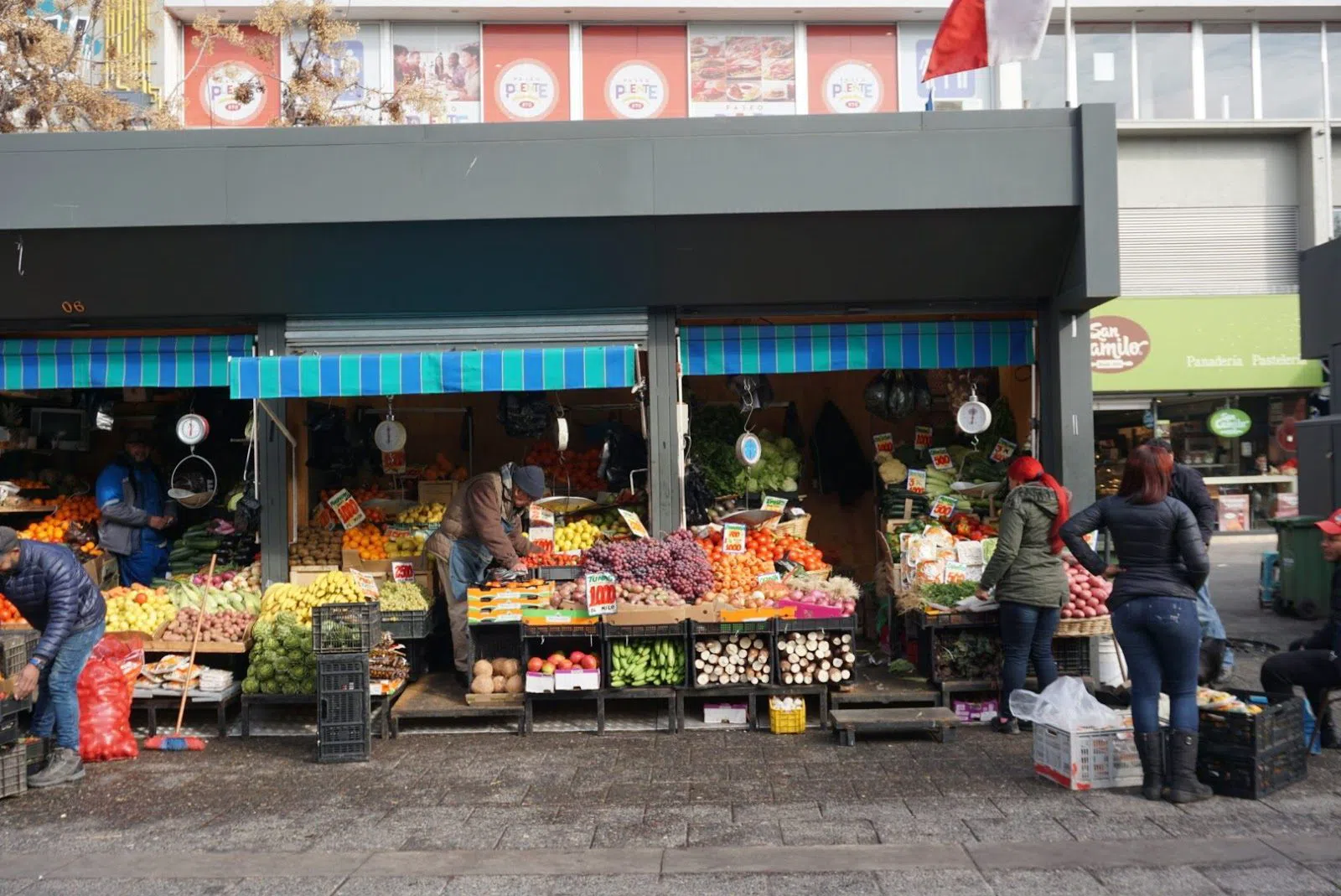
La Piojera (centre, by the market) is where the terremoto comes from, an unvarnished room in a city that has smoothed a lot of its edges: communal standing space, no bookings, groups the norm rather than the exception, terremotos around CLP 4,000 and food CLP 6,000 to CLP 10,000. It closes at 20:30 Monday to Saturday, so treat it as a daytime stop rather than a warm-up. If you miss it there is now a takeaway counter at the north entrance of the Mercado Central.
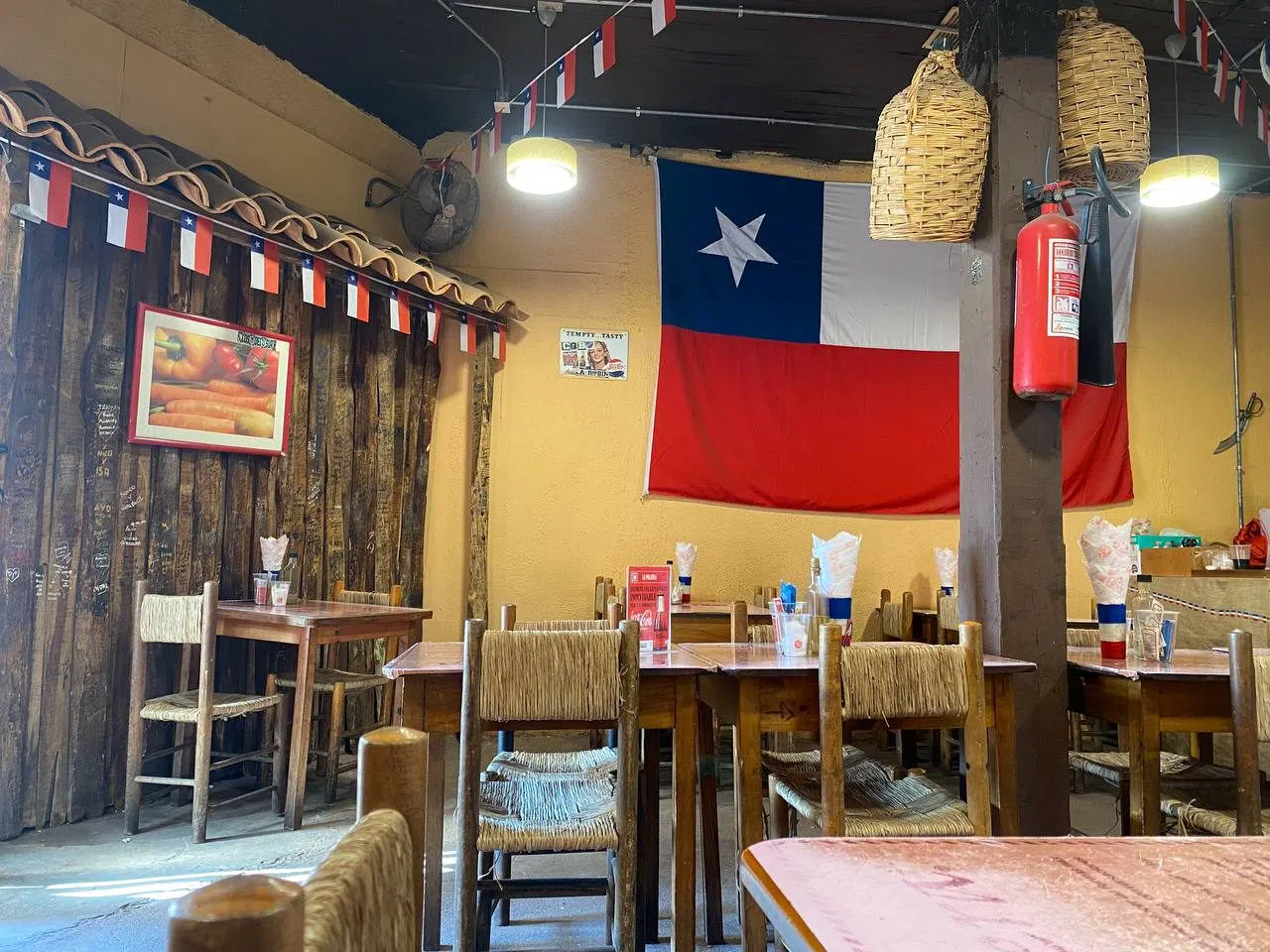
El Honesto Mike (Bellavista) has the best-stocked Chilean craft tap list in the city and is the obvious correction to four hours of stadium lager: pints CLP 5,000 to CLP 8,000, burgers CLP 10,000 to CLP 15,000, with the Beervana bottle shop next door under the same ownership. Large groups fit best midweek or early evening, and it closes at 19:00 on Sunday, so it is a pre-show stop on the second day, not a post-show one.

Sunday afternoon in Barrio Italia before the second show
Altoque Records (Barrio Italia) opens seven days a week, including Sunday afternoons, which almost nothing else of its kind in Santiago does. Vinyl runs CLP 15,000 to CLP 45,000. It is tiny, two or three people at a time being comfortable, so send the browsers in and let the rest of the party sit in one of the courtyard cafés on the same stretch. From Barrio Italia you are a short hop from Ñuñoa, which makes it the right way to spend the hours before the second set of gates open.

Beds, trains and what the weekend costs
Stay in Providencia, Ñuñoa or Lastarria and the whole weekend is a Metro ride. Providencia gives you Bar Liguria and Sky Costanera on foot; Ñuñoa puts you within walking distance of both the stadium and La Batuta, which on a night when 48,745 people want the same trains is worth paying for. Prices for the last weekend of October climb once the dates are confirmed, so fix the room before the ticket sale settles. Start with a Santiago hotel search and check the walking distance to a Line 6 station before you commit to a bargain.
Buy a bip! card at any Metro station on arrival and load it with CLP 10,000 per person for the weekend; single fares are a few hundred pesos and the machines take cash more reliably than foreign cards. Cards are accepted almost everywhere else, but La Piojera, the Mercado Central inner stalls and stadium vendors are smoother with cash, so carry CLP 30,000 to CLP 50,000 in notes. Tipping runs at 10 per cent and is usually added to the bill as a suggestion.
Budget, per person, excluding the room and the concert ticket: around CLP 45,000 a day if you are eating at Las Lanzas and the market and drinking at La Batuta, and roughly double that with a Peumayén dinner, a Bocanáriz flight and Sky Costanera at sunset. Late October and early November are spring, which in Santiago means warm dry afternoons and cool nights. Take a layer for the stand, because the temperature drops hard once the sun goes off the bowl, and take sunglasses for the cancha because doors are in daylight.
Both shows finish inside the extended Metro window, but only if you leave during the last song rather than after the house lights. If you want to stay to the end, plan on Blondie or a walk in Ñuñoa rather than a taxi you will not get. For everything outside this weekend, the wine valleys, the day trips and the rest of the eating, the wider Santiago guide covers it.
Before you go
When exactly do Iron Maiden play Estadio Nacional in Santiago?
The Run For Your Lives tour plays Estadio Nacional Julio Martínez Prádanos on Saturday 31 October and Sunday 1 November 2026, with Mammoth and Nuclear opening both nights. The two dates are consecutive, so there is no rest night in between.
How much are tickets and is the cancha worth it?
Roughly CLP 40,000 to CLP 160,000 depending on sector. The general-admission cancha is the cheap end but means standing for hours with no shade before sunset; the numbered stands cost more and give you a seat between bands. Groups should buy in a single transaction, because seats are allocated at purchase.
How do I get away from the stadium after the show?
Metro Line 6 has a station called Estadio Nacional and Exit B opens onto the gates. On big stadium nights the line runs extended service to about 00:30, so leaving during the last song puts you on a train rather than in a rideshare queue with tens of thousands of other people.
Where should I eat near the stadium before the show?
Las Lanzas in Plaza Ñuñoa is a ten-minute walk and costs CLP 9,000 to CLP 18,000 a head. It takes no reservations, so groups should arrive before 14:00 on Saturday. It closes at 20:00 on Saturday and does not open on Sunday, so for the second night use Mercado Central at lunchtime or El Honesto Mike in Bellavista before 19:00 instead.
What is open on the Sunday between arriving and the second concert?
Mercado Central serves lunch from 07:30 to 17:00, the Museo de la Memoria opens 10:00 to 18:00 with last entry at 17:30, the Cerro San Cristóbal funicular runs 10:00 to 18:45, and Altoque Records in Barrio Italia is one of the few record shops open on a Sunday afternoon. Peumayén and Las Lanzas are both shut on Sundays.